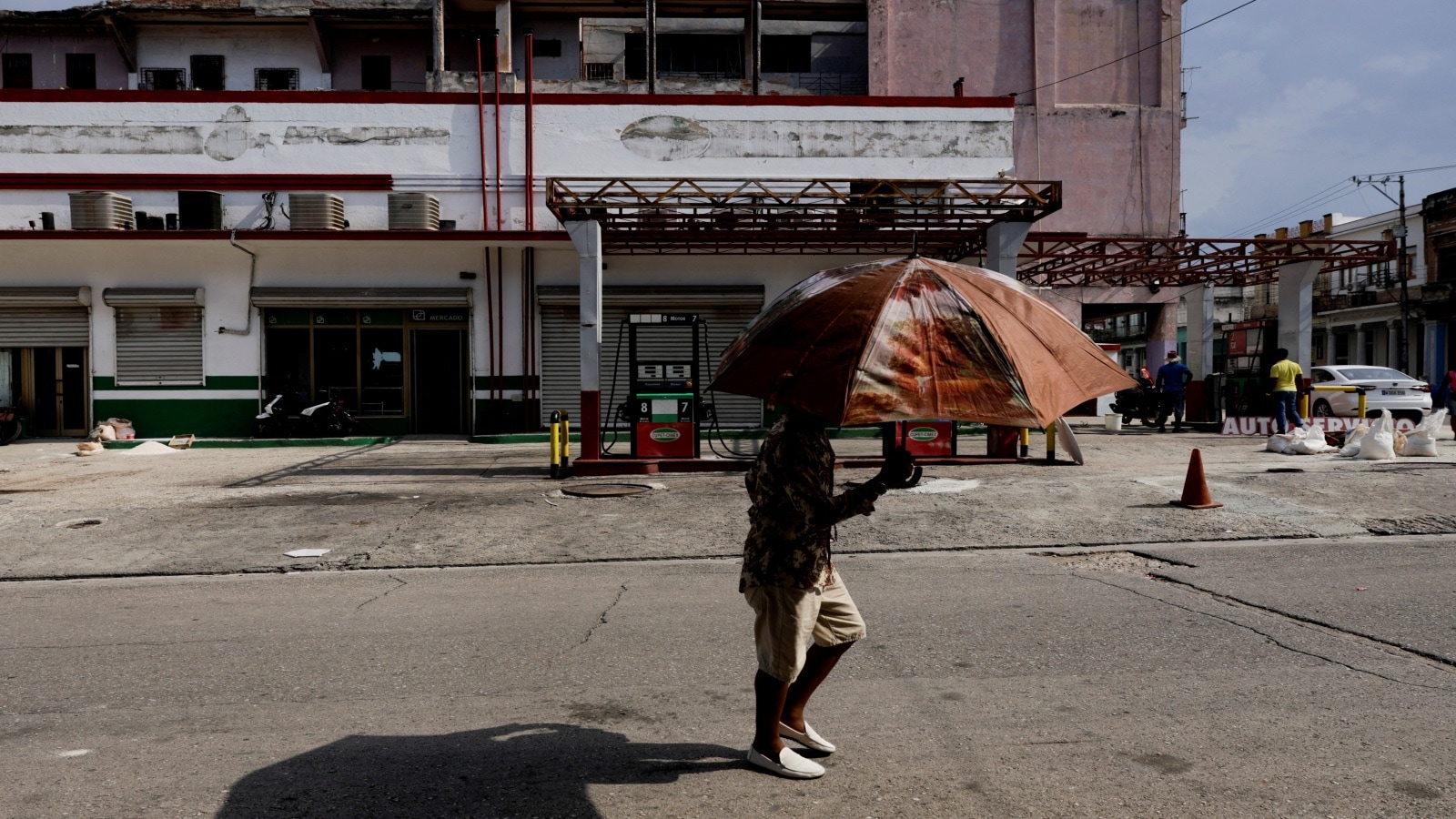
When the lights go out in Havana, it isn't just human residents who bear the brunt of an escalating breakdown. Across the island, Cuba's stray cats are facing an unprecedented survival crisis as an intense mix of prolonged power blackouts, severe water shortages, and skyrocketing inflation chokes the infrastructure that local animal shelters and independent rescuers rely upon.
If you think a severe macroeconomic crisis only affects human pockets, look closer at the streets of the Cuban capital. Animal welfare groups and independent projects like Aldameros in central Havana find themselves fighting a daily, exhausting battle just to keep hundreds of abandoned cats alive. The scale of the issue goes way beyond an empty food bowl. It is a full-scale operational collapse for anyone trying to protect vulnerable animals on the island.
The Daily Struggle Against Blackouts and Empty Shelters
Running a rescue center sounds rewarding on paper. On the ground in Havana, it's a logistical nightmare. Gabriela Lopez, who manages the Aldameros rescue center, deals with a reality that changes hour by hour. The center gets only a couple of hours of electricity daily. Without a reliable power supply, food storage becomes nearly impossible.
"Before, we could store food for a few days, but now we live day to day because we have no refrigeration," Lopez explains.
The lack of continuous power triggers a ripple effect across veterinary care. Medications, antibiotics, and vital vaccines require a strict cold chain to remain effective. When blackouts stretch on for hours or transformers blow, vets like Daniel Hernandez face a stressful scramble to protect pharmaceutical supplies from spoiling. It's a high-stakes guessing game where a single spoiled batch of vaccines can compromise an entire community's immunization efforts.
How Shrinking Donations and Tourism Hit Animal Welfare
For years, independent animal protectors relied heavily on two major lifelines: local business scraps and foreign tourism. Both have dried up drastically.
Restaurants and small businesses that once freely donated kitchen scraps or leftover fish and chicken now face tight margins themselves. Instead of handing out donations, many of these establishments are forced to sell their scraps to stay afloat. They realized there's a market for everything, leaving shelters priced out of resources they used to get for free.
Meanwhile, the downturn in tourism has strangled the flow of external cash and supplies. Organizations like Cubans in Defense of Animals (CEDA) note that foreign visitors used to bring vital donations and financial support that underpinned sterilization campaigns, pest control, and everyday shelter operations. With tourist numbers down, those independent revenue streams have evaporated.
The Human Cost Behind Animal Abandonment
You can't talk about animal welfare in Cuba without addressing the human toll. Mass migration over recent years, soaring inflation, and daily struggles with basic needs mean many families are forced to make heartbreaking choices. When the average monthly salary sits extremely low while basic survival goods cost a fortune, keeping a pet becomes an impossible luxury.
Elderly residents who spent decades feeding neighborhood cats out of their own pockets are now priced out. Packs of hungry cats trail after seniors down the cobblestone streets of Old Havana, but the cupboards are bare. Abandonment rates have skyrocketed. Where shelters used to see a handful of abandoned animals dropped off weekly, centers now log dozens of cases in a single day.
Rescuers keep opening their doors, converting small apartments and cramped spaces into makeshift shelters. Yet they are pushing against a massive tide with very few tools left in their hands. The situation on the ground remains fragile, and without consistent structural help, the safety net for Cuba's street animals is tearing apart at the seams.