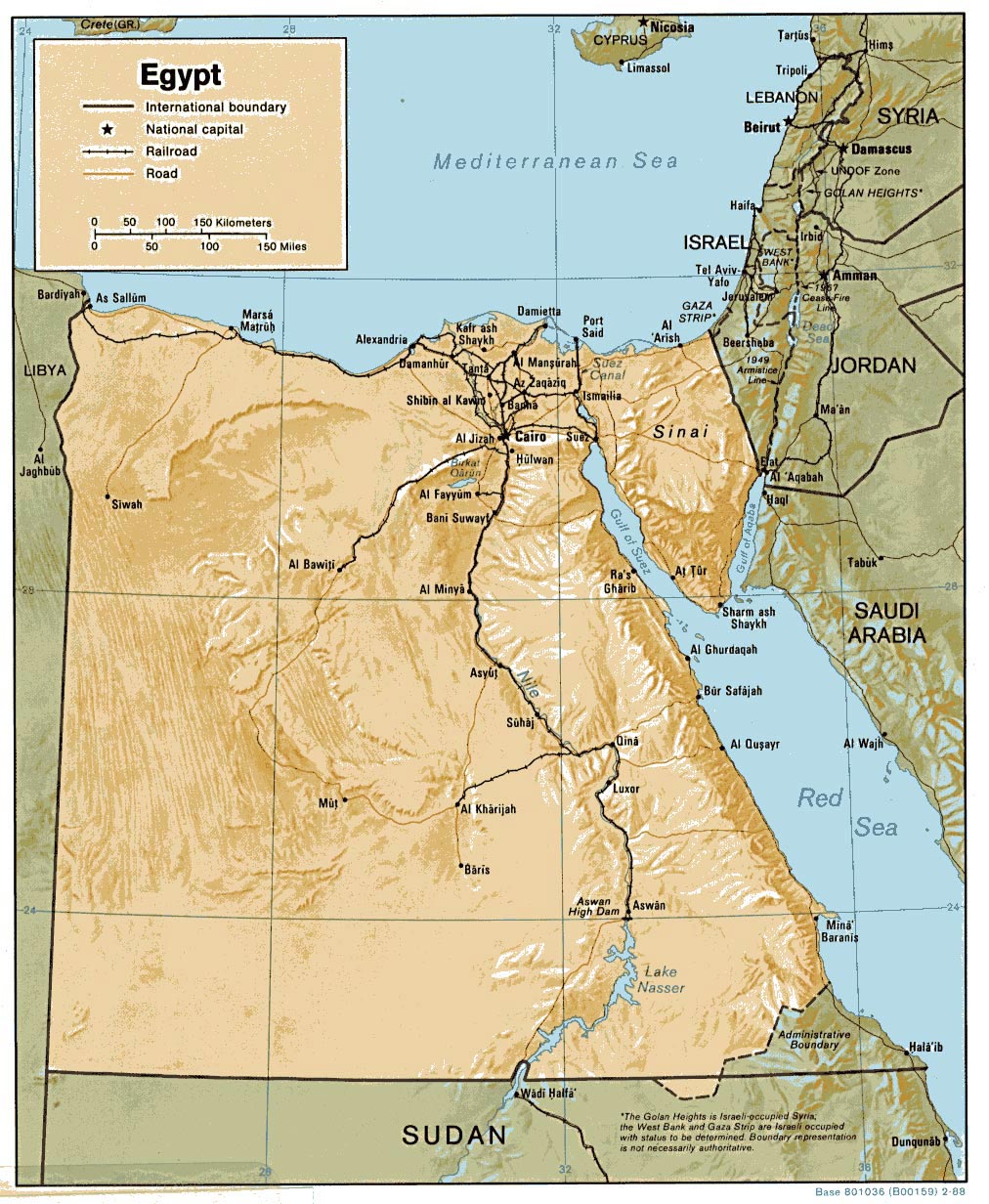
The illusion that Egypt could stay entirely insulated from the expanding Middle East conflict just went up in smoke. When an explosive-laden drone struck the Mediterranean port of Damietta, it shattered months of careful diplomatic balancing.
For days, initial reports floated the possibility of an accident. But the Egyptian cabinet officially confirmed that a deliberate drone strike caused the sudden, fierce fire engulfing two gas vessels docked at the terminal. No group has stepped forward to claim responsibility. Yet, the timing tells a glaring story.
Let's look at what actually happened on the ground and why this single strike changes the game for energy security across North Africa.
What Hit Damietta Port
The target was not a random local fishing boat. The drone struck the starboard side of the Energos Winter, a massive floating storage and regasification unit (FSRU) owned by the US-based firm Energos Infrastructure. The vessel boasts a storage capacity of 138,250 cubic metres of liquefied natural gas.
When the projectile hit, it triggered an intense fire that quickly spread to a second vessel nearby, the Gaslog Salem.
British maritime security firms like Ambrey and Vanguard flagged the aerial attack immediately. While local emergency crews and firefighting teams rushed to the scene to contain the blaze—preventing what could have been a catastrophic chain reaction—the damage was done. Petroleum Minister Karim Badawi rushed to the site to supervise containment efforts, but the reality of the security breach could not be swept under the rug.
Why This Timing Matters
This attack didn't happen in a vacuum. It arrived right on the heels of a massive escalation across the region.
Just before the Damietta incident, Iran launched missile strikes against US forces in Jordan. Simultaneously, joint military actions by Washington and Saudi Arabia targeted Iran-backed paramilitary groups in Iraq. Add in threats from US leadership and Yemen's Houthi movement declaring a naval blockade on Saudi shipping lanes, and you have a regional conflict bleeding aggressively into critical economic corridors.
The Mediterranean coast of Egypt was supposed to be a safe haven. It sits just north of the Suez Canal, which has already absorbed immense pressure as an evacuation and transit route for global trade. If strategic energy ports inside Egypt are now vulnerable to drone strikes, no maritime hub in the region is truly safe.
The Direct Threat to Egypt's Energy Grid
Egypt's energy landscape has shifted dramatically over recent years. Once a reliable net exporter of liquefied natural gas following the discovery of the massive offshore Zohr field, declining domestic output and soaring summer demand turned Cairo into a major LNG buyer.
The Energos Winter is no minor player. It handles roughly 450 million cubic feet of regasification capacity per day. That single unit accounts for about 7% of Egypt's total daily gas consumption and a staggering 16% of the nation's entire LNG receiving capacity.
According to data from Egyptian consultancy ElAdl Studies, a prolonged outage reduces crucial spare capacity at the worst possible time—peak summer cooling demand. While Egypt maintains alternative import channels, fuel oil backups, and industrial gas-rationing contingencies, losing a major FSRU tightens the screws on an already strained economy.
What Happens Next
Authorities are continuing high-level investigations to secure national borders and infrastructure. No one wants to openly name the perpetrator without undeniable proof, but security analysts point directly to fallout from the proxy conflicts gripping the wider region.
The threat is no longer theoretical. Energy infrastructure is square in the crosshairs, and Egypt's leaders face intense pressure to prove they can lock down their ports before the next strike hits closer to home.


