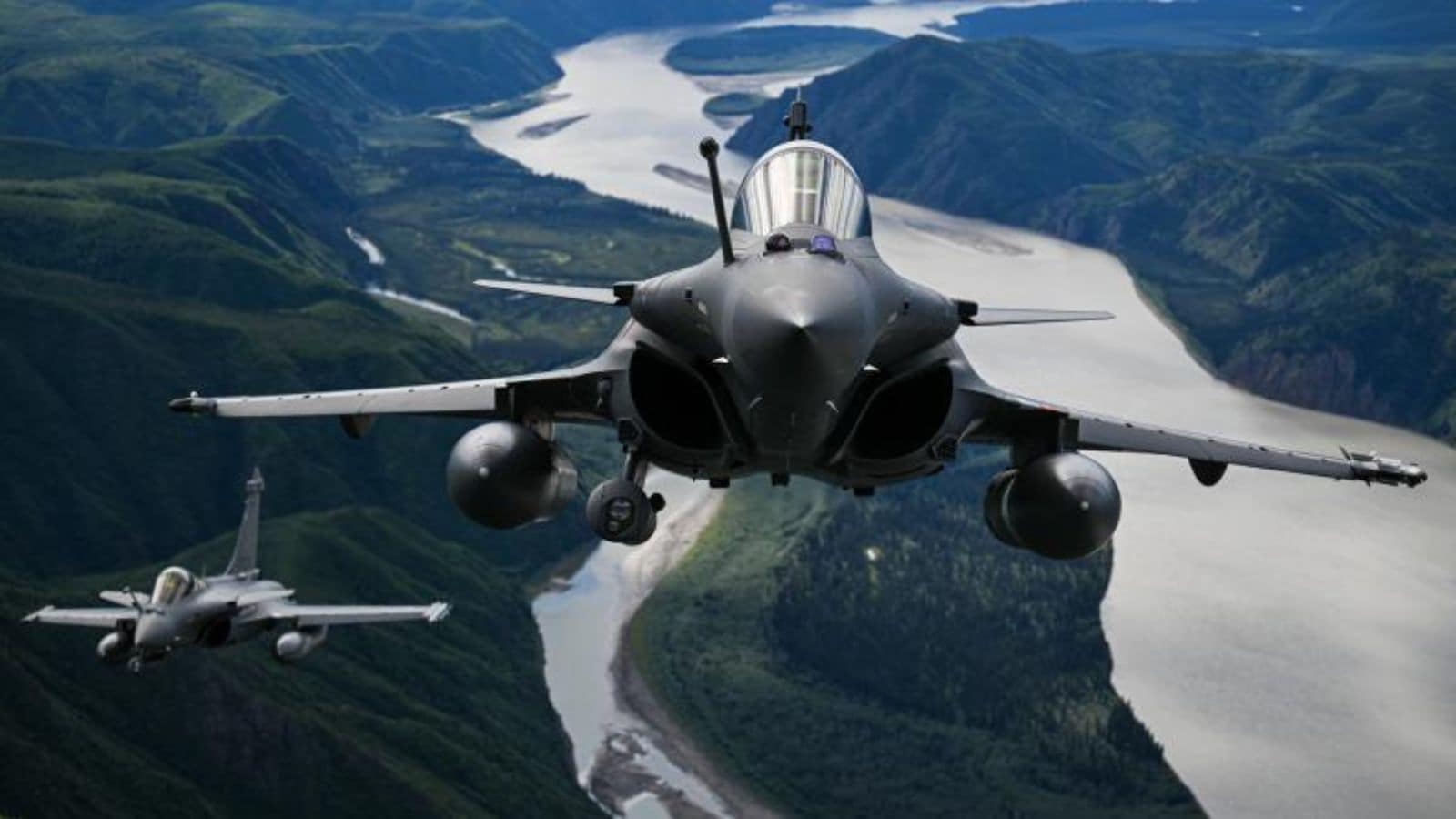
Fighter pilots face a brutal reality in modern combat. They are flooded with mountains of sensor data, telemetry feeds, and tactical updates, leaving very little room for error when split-second choices dictate survival. That is why Dassault Aviation just flight-tested two artificial intelligence algorithms right inside the Rafale fighter jet.
Forget Hollywood tropes about rogue machines taking over the skies. This isn't about fully autonomous killer drones or cutting humans out of the loop. Instead, it is a calculated, pragmatic step toward easing pilot cognitive overload during high-stress missions.
What Actually Happened in the Tests
Dassault didn't just run simulations in a lab. They put code into the air.
Two distinct AI functions completed flight tests aboard the Rafale. The first algorithm came straight from Dassault’s internal engineering teams. The second was built in partnership with defense tech giant Thales and its cortAIx artificial intelligence entity.
Both systems are engineered to handle repetitive, mundane tasks under the strict command of the human crew. By offloading these tedious background duties, the human pilot can stay laser-focused on actual combat tactics and critical decision-making.
According to Dassault, these algorithms have crossed a threshold of maturity that makes them prime candidates for future Rafale upgrades, specifically keeping an eye on the upcoming Rafale F5 standard.
The Hard Truth About Airborne Computing
Putting machine learning into a consumer smartphone is easy. Putting it inside a Mach 1.8 fighter jet is an entirely different beast.
Military aviation imposes brutal constraints on onboard computing hardware. Space, weight, and power limits are unforgiving. On top of that, an algorithm cannot crash or lag when a pilot is pulling nine Gs.
Dassault pointed out three massive hurdles they had to clear to make these tests successful:
- Access to high-grade operational data, pulling from both real-world flight logs and complex simulations.
- Marrying deep aerospace domain expertise with modern software development.
- Driving extreme resource efficiency on embedded hardware constrained by strict military specifications.
If you don't master those three elements, your software is just an expensive science experiment. Dassault’s decades as a primary defense contractor clearly paid off here, bridging the gap between raw data and combat readiness.
Where This Fits in the Global Arms Race
Dassault isn't operating in a vacuum. Major military powers are racing to embed machine learning into military aviation to handle the blistering pace of modern warfare.
Sweden's Saab has run combat tests with its Gripen E concept. In the United States, automated systems have been flown in modified F-16 platforms. The broader goal across the globe is simple: create loyal wingman drones and intelligent cockpit assistants that allow a single pilot to manage multiple uncrewed systems simultaneously.
The upcoming Rafale F5 standard heavily emphasizes this exact type of collaborative combat. Networking crewed fighters with unmanned wingmen requires automated data processing that moves faster than human eyes can track.
What Happens Next
Flight testing a software algorithm doesn't mean an instant fleet-wide retrofit. Dassault hasn't announced an immediate deployment date, and the technology still has to pass rigorous regulatory and operational evaluations.
Yet, the message is clear. Sovereign European defense tech is moving past the concept stage. Supervised AI in the cockpit is no longer a distant sci-fi concept. It is becoming standard military hardware.
Keep an eye on how these algorithms handle broader integration tests over the next year. The transition from human-managed data to human-supervised machine assistance is reshaping modern air dominance.