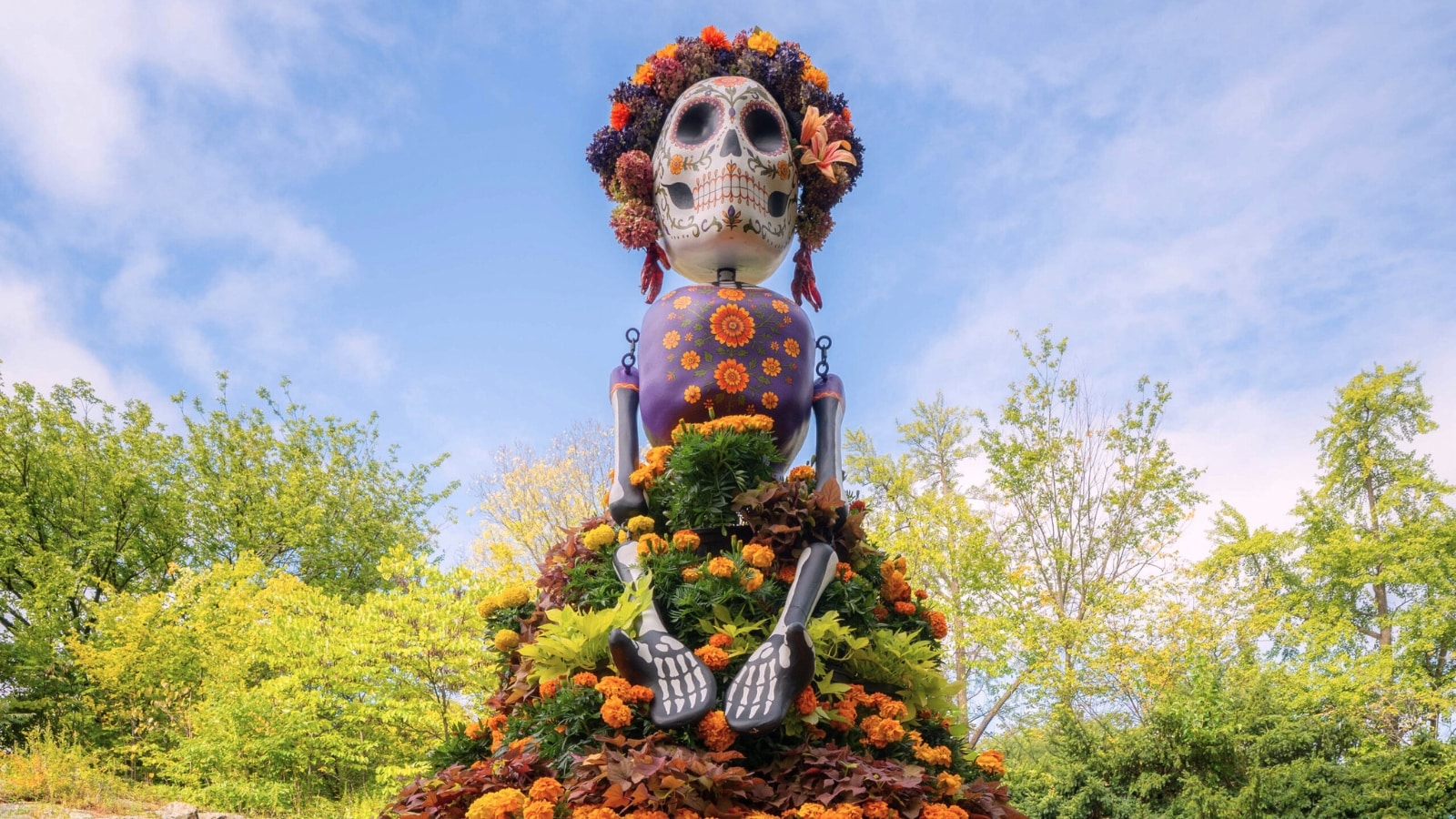
If you think Día de los Muertos is just a spooky Mexican version of Halloween, you've missed the entire point. Hollywood cartoons like Coco helped push the festival into global consciousness, but they also flattened a deeply complex spiritual tradition into a colorful costume party.
Let's clear the air right now. Day of the Dead isn't about fear, ghosts, or trick-or-treating. It's a joyful, unapologetic family reunion across the veil between life and death.
The Real Roots of Día de los Muertos
Most people assume the holiday is purely Catholic because it lands on November 1st and 2nd, coinciding with All Saints' Day and All Souls' Day. That is only half the story.
The roots stretch back thousands of years into pre-Hispanic Mesoamerica. Indigenous groups like the Aztec and the Nahua didn't view death as a terrifying, final end. Instead, they saw it as just another phase of existence. When the Spanish conquistadors arrived in the 16th century, they tried to stamp out indigenous rituals. They failed. Instead, indigenous traditions merged with Catholicism, creating a syncretic celebration that survives today.
You won't find morbid weeping or grim silence in Mexican cemeteries during these days. You will find brass bands, shared meals, and laughter.
Ofrendas: More Than Just Pretty Altars
The beating heart of the celebration is the ofrenda, or altar, built inside homes, public squares, and gravesides. Setting one up is an art form, but it follows strict symbolic rules rooted in ancient elements.
An ofrenda typically features multiple tiers representing different planes of existence. Every single item placed on it has a job to do:
- Water: Offered to quench the thirst of the spirits after their long journey back from Mictlán, the underworld.
- Copal incense: Purifies the air and drives away negative energies, leaving a clear path for returning souls.
- Candles: Fire represents light and hope, acting as navigational beacons so spirits don't lose their way in the dark.
- Salt: A symbol of purity that prevents the body or soul from corrupting during the journey.
Families spend weeks gathering photographs of departed loved ones. They place these pictures front and center because the belief is strong: as long as you are remembered, you aren't truly gone.
The Flowers and Food That Guide the Dead
You cannot talk about Día de los Muertos without talking about the brilliant explosion of orange and yellow marigolds, known locally as cempasúchil.
These aren't just decorative. Their pungent, earthy scent and vibrant color act as a sensory compass for the spirits. Families often pluck individual petals to create bright orange trails leading from the front door straight to the family altar, ensuring the souls of their ancestors don't wander off course.
Then comes the food. The dead must be hungry after traveling from the spirit realm.
Homes fill with the scent of pan de muerto, a sweet, round egg bread dusted with sugar and decorated with bone-shaped dough strips. You'll also see favorite dishes of the departed—ranging from spicy mole negro to tamales, alongside shots of tequila or mezcal for the adult spirits.
Crucially, the living partake in these feasts too. It's a communal act of breaking bread with those who came before you.
Sugar Skulls and the Legacy of Posada
Calaveras, or skulls, are everywhere during early November. You'll see them molded from sugar, painted on cheeks, and sculpted out of clay.
The iconic aesthetic owes a massive debt to José Guadalupe Posada, a 19th-century Mexican printmaker who used satirical skeleton cartoons to mock the political elite and remind the wealthy that death equalizes everyone. This gave birth to La Catrina, the elegant, plumed skeleton lady who has become the unofficial mascot of the holiday.
When you see a sugar skull bearing a deceased person's name on its forehead, it isn't meant to frighten anyone. It's a playful, affectionate nod to mortality. It says that death is an old friend, not an enemy.
If you ever get the chance to witness the candlelit night vigils by Lake Pátzcuaro in Michoacán or the crowded, marigold-draped alleys of Oaxaca, leave your Halloween expectations at home. Step quietly, watch with respect, and remember that grief doesn't always have to wear black. Sometimes, it wears bright orange and dances to a trumpet.