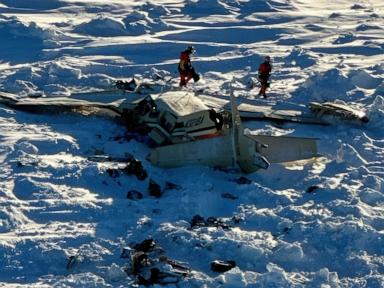
Ten people climbed aboard a commuter aircraft in Alaska for what should have been a routine flight. They never made it. Federal investigators recently released a damning report about that February 2025 tragedy, pointing fingers straight at a routine culture of rule-breaking and a sleeping regulator.
If you think aviation safety is foolproof, this incident proves otherwise. The National Transportation Safety Board laid bare how systemic negligence, overloaded aircraft, and weak oversight combined to cause one of the deadliest aviation disasters in Alaska this century.
Let's look at what actually went wrong.
The Weight Problem Everyone Ignored
The numbers on a flight manifest matter. When they are wrong, planes fall out of the sky.
Investigators found that Bering Air, the operator behind the commuter flight, had a deeply entrenched pattern of running overweight flights. Manifests routinely underreported actual cargo and passenger weights. On the day of the crash, the plane was too heavy for the brutal, icy conditions it was heading into.
When you overload an aircraft, its performance margins shrink to almost nothing. Stalling speeds change. Climb rates drop. Add severe winter weather to that mix, and disaster becomes a question of when, not if.
A Pilot Caught in an Impossible Bind
The pilot facing this deadly scenario didn't just have to deal with excess weight. He was fighting the elements.
As the flight prepared to approach the airport in Nome—which had temporarily closed its runways for de-icing—the cockpit workload exploded. The pilot had to manage an intricate ice protection system while trying to fly the aircraft.
He lost control of his airspeed. In icy conditions, letting your airspeed drop is fatal. NTSB Chair Jennifer Homendy noted that the tragedy wasn't caused by one single mistake. It was a cascade of failures that stripped away every safety margin the flight had.
Where Was the FAA?
An operator can only cut corners if the people watching them look the other way.
The NTSB report didn't just blame the airline. It slammed the Federal Aviation Administration for inadequate oversight. After the pandemic and the bankruptcy of a major local competitor, Bering Air experienced rapid growth and increased operational complexity.
The FAA missed all the warning signs. Regulators failed to notice or act on the routine operation of overweight flights. They treated a growing, stressed operation like a small-town puddle-jumper business.
What Needs to Change Right Now
Reports are useless if they sit on a shelf. The NTSB has pushed for immediate changes, including mandatory pilot training on recovering from loss of control for air taxi and charter operators. They are also demanding broader load manifest requirements and wider use of flight data monitoring programs.
The FAA stated it takes these recommendations seriously. They better. Lives depend on closing the gap between paper rules and gritty reality in remote aviation.