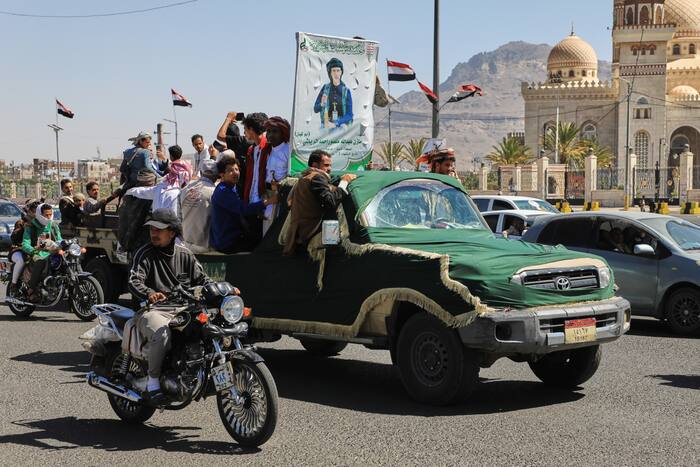
Another fragile layer of Yemen's fractured landscape shattered on Monday morning. Iranian-backed Houthi rebels launched a barrage of ballistic missiles directly at the al-Alam military camp in the southern province of Shabwa. At least 20 government soldiers lost their lives, and two dozen more sustained serious injuries.
If you've been following the grinding conflict in Yemen, you know that the 2022 truce brought a brief, hopeful pause to full-scale warfare. But peace was never truly locked in. Instead, local flashpoints have steadily escalated into active combat zones, tied directly to broader regional conflicts.
The Anatomy of the Shabwa Strike
The attack on the al-Alam camp wasn't just a random skirmish. It was a calculated missile strike targeting forces loyal to Yemen's internationally recognized government.
Two military officials, speaking on condition of anonymity due to security protocols, confirmed the grim toll. They reported that twenty troops were killed instantly or died from severe wounds shortly after impact, while at least twenty-four others required emergency medical evacuation.
Southern Yemen remains a volatile theater. While much of the international spotlight focuses on Red Sea shipping lanes, battles on the ground in provinces like Shabwa and Saada continue to exact a brutal human toll.
Retaliation and the Ripple Effect
Violence in Yemen rarely happens in a vacuum. Just a day prior, a separate airstrike blamed on Saudi-led coalition forces slammed into the rebel-held northern province of Saada.
According to reports from the Houthi-run Health Ministry, that weekend strike killed at least nine civilians, including five children and two women. Over the span of a single weekend, military escalations across multiple fronts left more than thirty people dead or wounded.
Saudi Arabia has offered no immediate public comment on the Saada airstrikes. This silence highlights the precarious nature of backdoor diplomatic channels that once kept open warfare largely contained.
Why the 2022 Ceasefire Is All But Dead
The 2022 truce successfully halted major nationwide offensives for a while, giving millions of Yemenis a temporary reprieve from airstrikes and artillery duels. Yet, neither side compromised on long-term political governance.
When regional tensions spiked over the past year—fueled by broader conflicts involving Iran, proxy networks, and Western naval coalitions—local actors quickly picked up where they left off. The Houthis continue to leverage ballistic missile capabilities to pressure government forces in the south, while coalition airstrikes strike back in the north.
Civilians and frontline soldiers bear the brunt of these failing diplomatic guardrails. Hospitals in Shabwa and neighboring regions are once again overwhelmed with trauma cases, scrambling for basic medical supplies amid ongoing blockades and economic collapse.
What Happens Next on the Ground
Military analysts expect retaliatory actions to follow the Shabwa strike. Government forces backed by regional allies cannot absorb a loss of twenty personnel without responding, risking a full reversion to pre-2022 open conflict.
International mediators face an uphill battle to revive any semblance of a ceasefire. As long as regional proxy dynamics dictate military decisions on the ground, tactical strikes will continue to dictate the daily reality for millions in Yemen.