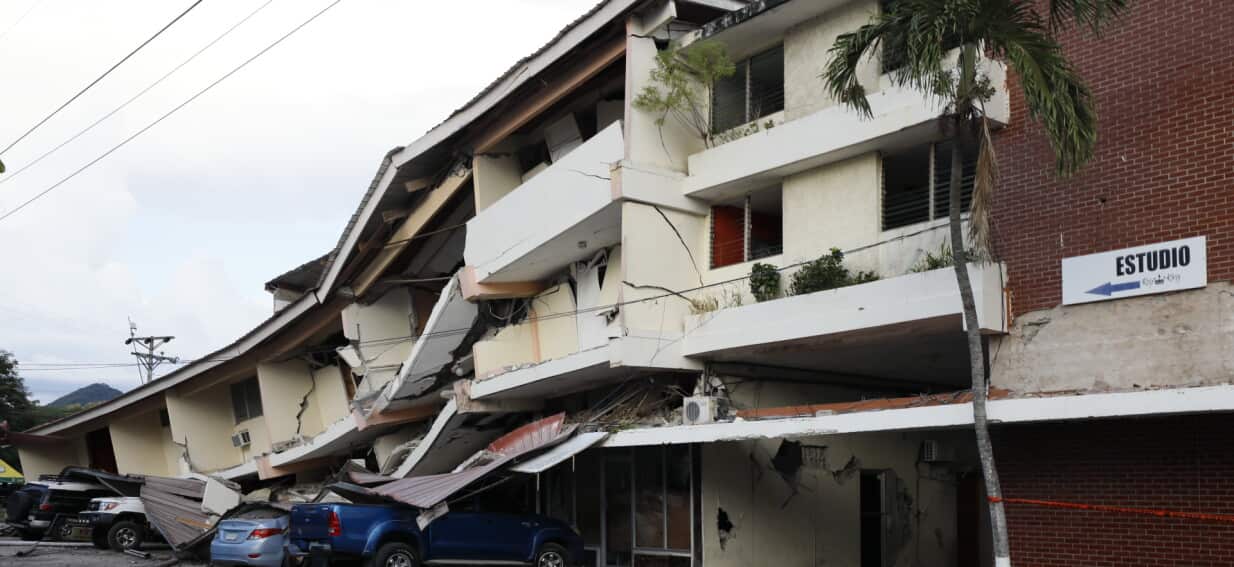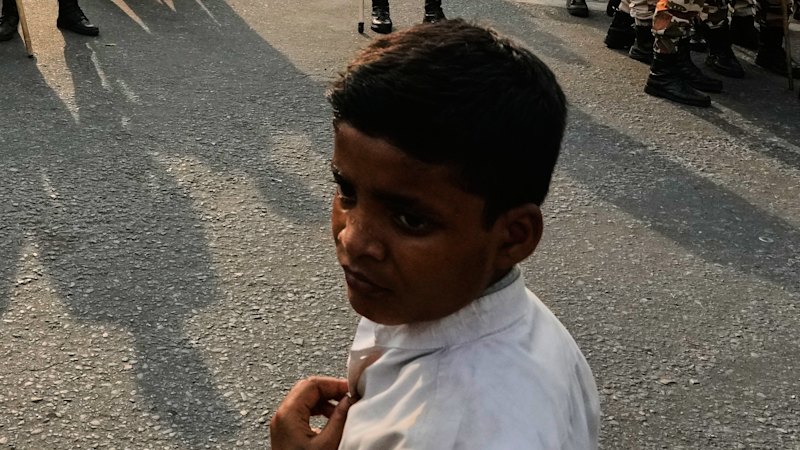
Central Delhi turned into a fortress. Thousands of police and paramilitary forces patrolled the streets, dozens of metro stations went dark, mobile internet services dropped, and major markets pulled down their shutters. All of this lockdown friction happened to block a single youth demonstration.
The agitators call themselves the Cockroach Janta Party. What started as an online satire movement turned into a real political headache for Prime Minister Narendra Modi's government. Their demand is stark and simple: they want Chief Election Commissioner Gyanesh Kumar to quit immediately.
If you're wondering how a group named after a pest sparked a security lockdown in India's capital, you have to look at the numbers. Reports revealed that roughly 130 million voter names vanished or were scrubbed during recent list revisions. Opposition politicians and youth groups jumped on the findings, claiming the process was rigged to favor the ruling Bharatiya Janata Party ahead of critical state elections in places like Uttar Pradesh.
The government pushes back hard. Officials argue that Modi's electoral dominance stems purely from strong economic growth and genuine voter support, claiming opponents simply cry foul because they keep losing at the ballot box. But street politics in India doesn't care about press releases.
This isn't an isolated incident. Just months ago, similar youth-led protests forced the education minister to resign after massive exam paper leaks angered millions of students. Governments hate unpredictable youth movements because young people organize fast online, refuse traditional party discipline, and use biting humor—like adopting the cockroach moniker—to strip away official dignity.
Delhi Police denied permission for the protest, citing short notice and previous rule violations by the group. Organizers shrugged off the ban and vowed to gather at Jantar Mantar anyway. Authorities responded by canceling long-distance trains, shutting down 57 metro stations, and cutting off mobile data within a four-kilometer radius of the protest zone.
Blocking the internet and locking down transit lines might stop a crowd from swelling today, but it doesn't fix the underlying anger over democratic transparency. When young citizens feel their voting power is being quietly edited away, clamping down only turns online satire into an unstoppable offline movement.