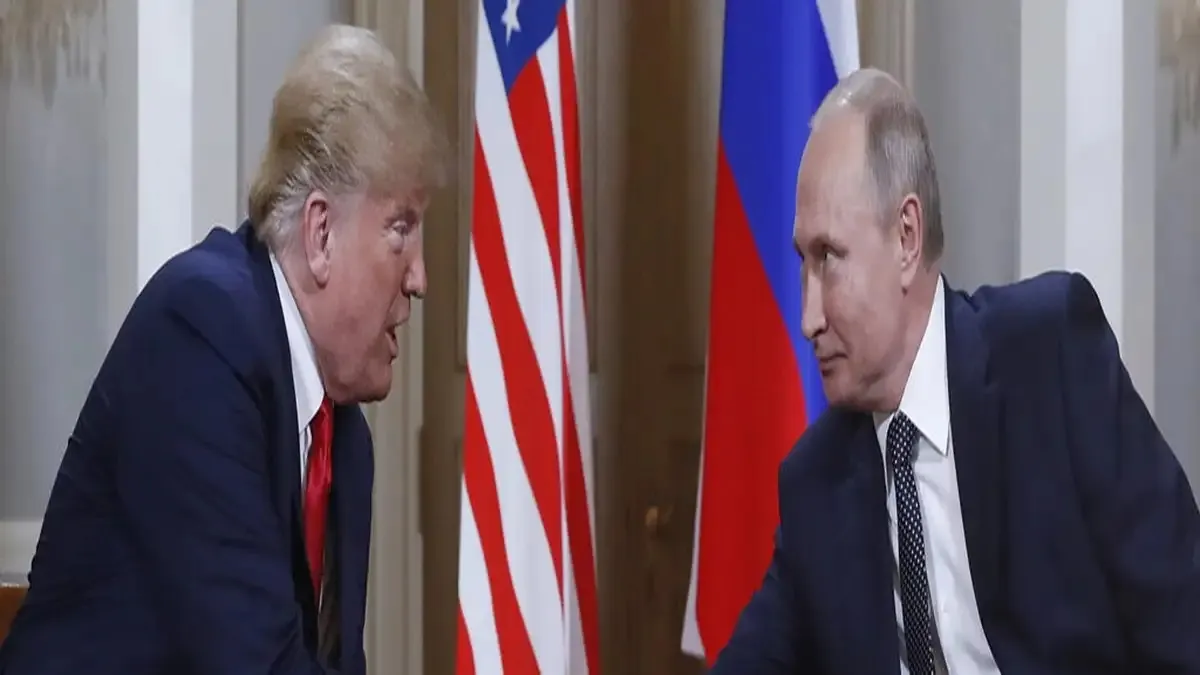
Donald Trump insists Vladimir Putin won't attack NATO territory, brushing off rising anxieties across European capitals. European leaders look at drone strike attempts, sabotage operations, and hybrid warfare risks, but the White House sees a different reality.
If you are trying to make sense of US foreign policy right now, the gap between Washington and European intelligence agencies feels massive. Trump claims he knows his Russian counterpart well, asserting that an all-out assault on the Western military alliance isn't on Moscow's radar.
The Core Disconnect Over European Security
Why is there such a sharp disagreement between US leadership and European allies? European officials point to a troubling pattern of gray zone tactics. Think about mysterious drone fragments found near major transport hubs like Leipzig airport, or suspected interference with critical infrastructure.
Governments in the UK, Germany, and Poland view these incidents as deliberate tests of Article 5 boundaries. They argue that hybrid operations, cyberattacks, and sabotage aim to weaken Western resolve without triggering a conventional military response.
Trump takes a vastly different stance. He downplays these alarms, waving away media reports that suggest top intelligence officials like CIA Director John Ratcliffe had to rush to Moscow to issue strict warnings. Instead, Trump frames the diplomatic channels as manageable, even routine.
Peace Proposals and Personal Animosity
At the center of this diplomatic push are high-stakes negotiations. Trump recently dispatched senior envoys Jared Kushner and Steve Witkoff to Moscow. Their mission isn't just to air grievances; they are carrying a concrete proposal aimed at winding down the protracted war in Ukraine.
Trump points to a deeply personal roadblock as the main hurdle to peace. He describes the relationship between Russian President Vladimir Putin and Ukrainian President Volodymyr Zelenskyy as a fundamental personality clash.
"They truly hate each other," Trump remarked when discussing the difficulties of securing a lasting ceasefire.
Sending elite dealmakers directly to the Kremlin signals that the administration wants a negotiated settlement, bypassing the standard diplomatic gridlock. Whether those envoys can bridge a gap built on years of bloodshed remains an open question, but the push is moving fast.
What This Means for Global Alliances
Critics argue that dismissing hybrid threats sends the wrong message to the Kremlin, potentially inviting bolder provocations. Yet, supporters believe pragmatic engagement prevents unnecessary escalation.
If you are tracking international markets or geopolitical risk, watch how European defense spending responds to these shifting signals. NATO members are being forced to shoulder more of their own security burden regardless of Washington's confidence in Moscow's restraint.
Keep a close eye on the outcome of the Moscow envoy mission. Real diplomatic movement will reshape the entire security architecture of Eastern Europe overnight.