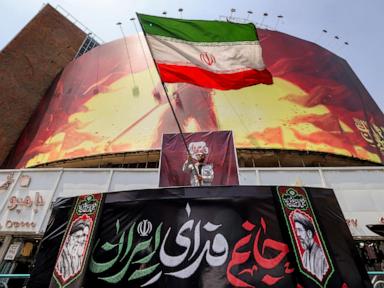
Donald Trump isn't rushing to strike a new deal with Tehran, and his latest public admission reveals a calculated shift in Washington's strategy. Instead of dropping fresh military ultimatums or demanding an immediate sit-down, the White House is sitting back and watching severe economic pressure choke the Iranian government.
When reporters asked about the frozen status of diplomatic talks over the vital Strait of Hormuz, Trump made his current stance bluntly clear. He told interviewers that the administration is "low-keying it" and only "semi-negotiating" while keeping a close eye on Iran's skyrocketing inflation and depleted state coffers.
The Standoff Over the Strait of Hormuz
The core issue holding up any lasting resolution remains the closure of the Strait of Hormuz. Roughly one-fifth of global oil and natural gas supplies move through this narrow maritime choke point. Since military conflicts flared earlier this year, the blockade has threatened global energy markets and forced energy costs to fluctuate wildly.
Washington wants the waterway fully open and commercial vessels moving safely. Tehran, on the other hand, refuses to budge unless the United States completely lifts crippling oil sanctions and ends its naval blockades against Iranian ports. Iranian Foreign Minister Abbas Araghchi recently insisted that actual direct negotiations aren't even happening, noting that any messages moving between the two capitals are strictly handled through intermediaries.
Why Washington Is Waiting It Out
You might wonder why the White House isn't pressing harder for a breakthrough, especially with November midterm elections creeping closer and voters sensitive to fuel prices. The answer comes down to leverage and falling oil benchmarks.
Crude prices sitting just above seventy-five dollars a barrel mean everyday American consumers are feeling far less financial pain than officials initially feared. Trump pointed out that Iran's economy is already in terrible shape. By letting economic isolation do the heavy lifting, the administration avoids committing to rushed concessions. Tehran's demands for financial compensation and a rollback of regional policies have hit a brick wall, but Washington seems content to treat the stalemate like a slow-paced chess match rather than an urgent crisis.
The strategy relies entirely on time and financial gravity. If Tehran's financial reserves continue to dry up under ongoing sanctions, the regime's hardline stance may eventually crack without the US firing another shot. For now, Washington is happy to watch from the sidelines and let inflation do what military strikes haven't finished.


