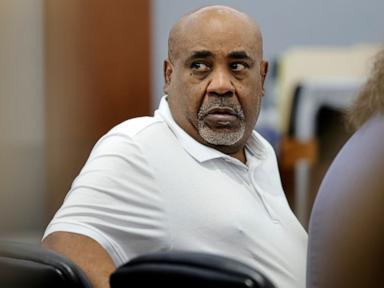
Nearly thirty years after a white Cadillac pulled up beside a red light near the Las Vegas Strip and changed hip-hop history, a jury of six men and ten women has finally been seated to decide who bears criminal responsibility for the death of Tupac Shakur.
The defendant isn't the person who fired the fatal bullets on September 7, 1996. Instead, prosecutors in Clark County District Court are putting 63-year-old former gang leader Duane "Keffe D" Davis on trial under the legal theory that he acted as the orchestrator—the shot-caller who allegedly secured the firearm and orchestrated the retaliation that left the 25-year-old icon mortally wounded.
If you've followed this cold case for decades, you already know the wildest part of this prosecution: the state wouldn't have a case if Davis hadn't spent years talking about it himself.
Writing Your Own Indictment
Cold cases rarely solve themselves, and prosecutors usually rely on forensic breakthroughs or turning an accomplice. Here, the state's primary weapon is Duane Davis's own mouth and ink.
For years after the September 1996 drive-by shooting, the murder of Tupac Shakur remained an open wound and an official cold case. Everyone in the hip-hop community whispered theories, and internet sleuths dissected every second of footage from the Mike Tyson boxing match at the MGM Grand that preceded the shooting. But law enforcement lacked the hard evidence needed to bring charges.
Then Davis wrote a book.
In his 2019 memoir, Compton Street Legend, and through a series of subsequent interviews with true-crime documentarians and police task forces, Davis laid out the mechanics of the night. He placed himself inside the white Cadillac. He detailed how he obtained a .40-caliber Glock. He explained how a casino brawl earlier that evening—where Shakur and Death Row Records boss Marion "Suge" Knight jumped Davis's nephew, Orlando "Baby Lane" Anderson—sparked an immediate desire for payback.
Davis basically handed prosecutors a roadmap. When he was finally arrested in September 2023 outside his Las Vegas home, it was the direct harvest of his own public relations tour.
The Legal Strategy and the Ghost of the Trigger Man
The trial, expected to span roughly a month, operates under Nevada law where an accomplice who aids or arranges a murder can face the exact same penalties as the person who pulls the trigger.
That distinction matters because the actual shooter will never stand trial. Orlando Anderson, long suspected of firing the shots from the back seat, was killed two years later in an unrelated Compton gang shootout. The other occupants of that Cadillac—Deandrae Smith and Terry Brown—have also passed away. Davis stands as the sole surviving adult from that vehicle, facing a sentence of life in prison if convicted.
Defense attorneys Michael Sanft and specialized counsel face an uphill battle against their client's published words. Their strategy relies heavily on painting Davis's previous confessions as tall tales told for financial gain. They plan to argue that the stories in his memoir and media appearances were heavily sensationalized to sell books and secure interview payouts, rather than factual confessions of a cold-blooded conspiracy. They've also sought to bar certain past law enforcement interviews, arguing police violated agreements or used coercive tactics.
Why This Trial Will Not Answer Everything
If you're expecting a neat courtroom resolution that ties up every loose end of 1990s east-versus-west Coast rap lore, temper your expectations.
The courtroom proceedings won't rewrite the entire mythos of the era, nor will they definitively settle every conspiracy theory involving other music industry figures whose names pop up in internet forums. The state's witness list, featuring roughly 35 to 45 individuals ranging from old Las Vegas locals to former associates, is laser-focused on proving a specific chain of events: the casino fight, the acquisition of the weapon, and the execution of the drive-by.
As opening statements begin, the focus shifts away from internet speculation and onto twelve jurors and four alternates sequestered to weigh reality against bravado. Thirty years later, the legal system is finally forcing a reckoning over a night that robbed music of one of its most dynamic talents. Whether the jury believes Davis was a criminal mastermind or a storyteller padding his legacy will determine how this chapter finally closes.


