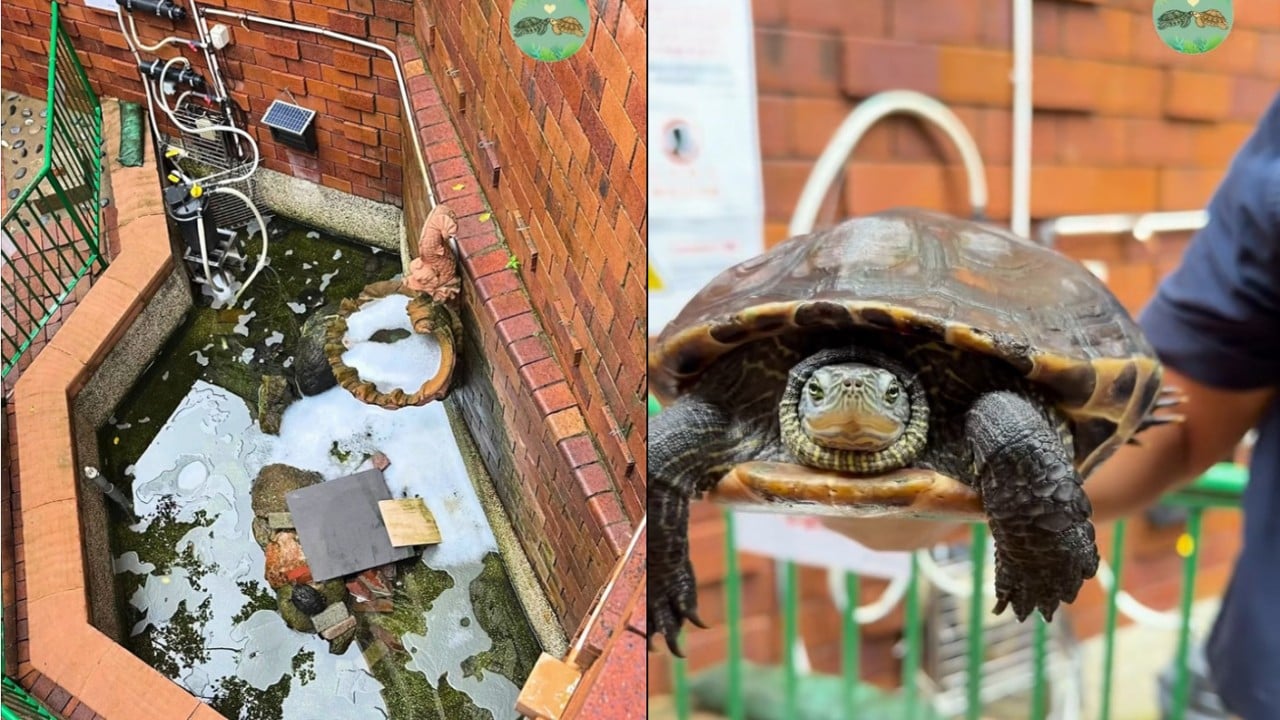
Some news stories make you shake your head in absolute disbelief. When a 42-year-old man allegedly tossed a massive quantity of chemical laundry detergent pods into a residential estate pond in Ma On Shan, Hong Kong, he probably thought it was a stupid prank or a quick way to cause chaos. It wasn't funny. It was a chemical disaster.
The incident at Kam Ying Court left a local catfish dead and roughly 30 turtles suffering from severe chemical burns, skin corrosion, and bleached flesh. Security guards noticed thick white foam choking the water feature and quickly stepped in to drain the basin, but the damage was already done.
The Devastating Chemistry of Household Detergents in Closed Ecosystems
Most people don't realize how lethal concentrated laundry capsules are when introduced directly into an unmanaged or semi-managed water body. Laundry pods contain heavy surfactants, enzymes, and strong alkaline chemicals designed to break down tough stains on clothing.
When you dump dozens of these pods into a confined pond, you aren't just making bubbles. You are creating a caustic chemical soup.
The concentrated surfactants strip away the natural protective mucus layers on aquatic life. For fish like the catfish found dead at the scene, it suffocates them by destroying gill membranes. For the roughly 30 turtles—including Chinese stripe-necked turtles, red-eared sliders, Reeves' turtles, and Asian yellow pond turtles—the high alkalinity causes immediate skin burns, eye damage, and severe cellular corrosion.
Some of the turtles pulled from the Kam Ying Court pond had their flesh bleached white by the harsh chemicals. It's a painfully slow and agonizing way for animals to suffer.
The Underbelly of Residential Wildlife Dumping
This case highlights a much larger, darker issue that animal welfare advocates talk about constantly: the illegal abandonment of unwanted pets into residential water features.
Ponds located inside housing estates are designed for aesthetics, not for housing aquatic wildlife. Yet, irresponsible owners treat them like public drop-off points for turtles and fish they no longer want to care for. Once these animals accumulate, the ponds become overcrowded, turning into management nightmares for property staff.
When tensions boil over or frustration sets in, vulnerable animals become targets for cruel acts. Local rescue groups like Turtle's Inn rushed to the scene to help triage the injured reptiles, noting that acts like this are rarely isolated incidents of random vandalism. They stem from a dangerous mix of pet abandonment and a total lack of empathy for living creatures.
How Communities Can Protect Vulnerable Wildlife
You can't rely on human decency alone to stop malicious actors. Property management teams need to take physical security seriously.
If you manage a residential complex with an open water feature, consider these protective steps:
- Install physical barriers or raised perimeter walls to block direct access to the water's edge.
- Set up high-resolution surveillance cameras covering every angle of the pond perimeter.
- Post clear warning signs detailing heavy fines and legal consequences for animal abuse and illegal pet dumping.
- Establish a rapid-response protocol for security guards to spot unusual water discoloration immediately.
The Sha Tin district crime squad arrested the suspect following a swift review of estate surveillance footage. He faces serious animal cruelty charges under local laws. Hopefully, a strong legal precedent makes the next person think twice before turning a residential pond into a chemical weapon chamber.