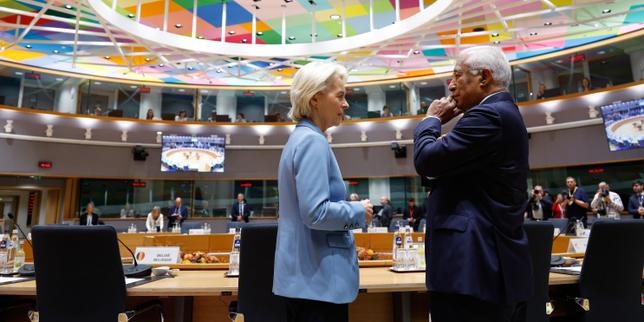
Brussels is panicking. Behind closed doors, European Union member states are already throwing punches over the next long-term financial framework. Nobody wants to pay more. Everyone wants a bigger slice.
Time is running out.
The current multiannual financial framework expires soon, and leaders are scrambling to lock down a new EU budget before 2027 arrives. Why the rush? Because 2027 is an electoral nightmare. Multiple European nations face major national ballots that year, turning domestic politics into a minefield where handing money to Brussels is political suicide.
If you think this is just standard bureaucratic bickering, you're missing the big picture. This fight exposes the fragile core of European unity. When national debt mounts and voters grow restless, solidarity evaporates instantly.
The 2027 electoral trap
Politicians hate losing elections. That rule governs everything happening in Brussels right now.
National leaders look at their domestic polling numbers and sweat. If a prime minister agrees to hike contributions to the common European pot right before facing angry voters at home, they might as well hand the keys of government to their populist opponents.
Elections are coming hard and fast. Securing a financial framework now means politicians can dodge immediate blowback. Wait until next year, and negotiations will flatline. Nobody will compromise when survival at the ballot box is on the line.
Let's be honest about how this works. Capitals posture loudly about European ideals, but domestic self-interest always wins.
Where the money actually goes
Arguments over the EU budget sound abstract until you look at the ledger. The bloc faces massive new pressures that didn't exist during the last budget cycle.
Defense spending is through the roof. Border security demands billions. The green transition requires massive subsidies to keep local industries from collapsing against foreign competitors.
Net contributors like Germany and the Netherlands are digging their heels in. They refuse blank cheques. Meanwhile, cohesion countries in the south and east argue that cutting regional funds starves them just as they try to catch up economically.
You cannot satisfy everyone when the pie is shrinking in real terms. Inflation eats away at purchasing power, meaning every euro needs to stretch twice as far.
The cost of failing to agree
Deadlocks have consequences. If the twenty-seven member states fail to reach a consensus before political calendars explode next year, emergency stopgap measures kick in.
Nobody wants that. Provisional rules freeze ambitious policies and paralyze long-term planning. Infrastructure projects stall. Research grants vanish.
Brussels bureaucrats spend their days warning of structural paralysis. Honestly, sometimes they exaggerate. But this time, the warning is accurate. Operating without a secure financial horizon weakens Europe's geopolitical standing at a moment when global rivals are moving fast.
What happens next
Watch the upcoming summits closely. Rhetoric will sharpen before any real compromise happens.
National capitals will leak stories to domestic press to prove they are fighting for local taxpayers. Do not fall for the theater. Behind the public posturing, technocrats are quietly hunting for creative accounting tricks. They will find a fudge. They always do.
Keep an eye on the actual contributions demanded from major economies. That is the real metric of power in this bloc. When the dust settles, expect a scaled-down compromise that leaves everyone slightly unhappy. That is the true definition of a European agreement.