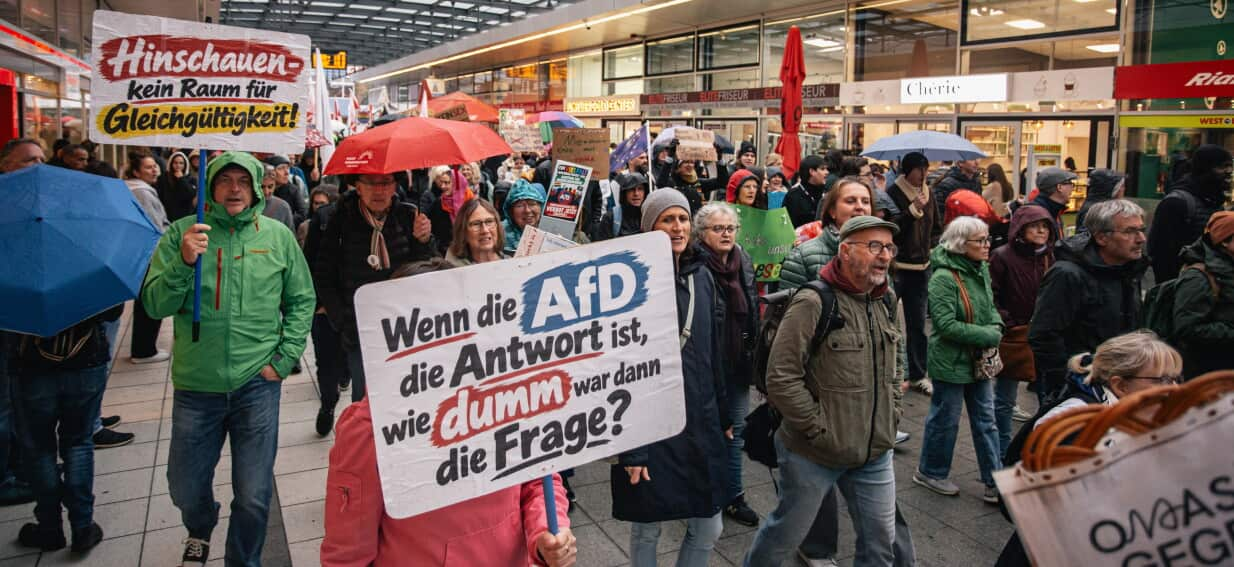
If you walk down the streets of Paris, Lisbon, Madrid, or Milan right now, you won't just hear the usual hum of city life. You'll hear chanting, sirens, and the unmistakable sound of breaking glass. Tear gas stings the air. Riot shields block historic plazas. A wave of intense social unrest is sweeping across Europe, and if you think it's just about standard political complaining, you're missing the entire picture.
People aren't just annoyed. They are economically cornered.
The mainstream media loves to frame these demonstrations as isolated local blowups—students angry about tuition here, transit workers striking over pensions there. But when you look beneath the surface, a unified, continent-wide pressure cooker is exploding. Let's look at what is actually driving this unrest, why generations are locking horns with governments, and why the political elite are panicking.
The Housing Nightmare That Broke the Social Contract
The primary fuel for this fire isn't abstract ideology. It's rent.
For decades, the unspoken promise of European life was simple. Study hard, get a decent job, and you'll find a place to live. That promise is dead. In Portugal, property prices have more than doubled since 2017 while wages have flatlined. In Spain, anger boiled over into massive street protests after an 87-year-old was forcibly evicted from her home.
When young people realize that working a full-time professional job still leaves them sharing a cramped apartment with three roommates well into their thirties, something snaps. Eurostat data shows that nearly 27 percent of young adults aged 15 to 29 in the European Union lived in overcrowded households.
Property speculation, short-term holiday rentals devouring city centers, and a massive structural housing shortage—estimated by the Bank of Spain alone to be hundreds of thousands of units short—have turned urban centers into luxury playgrounds for the wealthy. People are sleeping in tents in Madrid and Lisbon because renting a studio apartment now consumes entire monthly paychecks. When a basic human necessity like shelter becomes a luxury commodity, street protests are the logical outcome.
Inflation and the Crushing Cost of Survival
Housing is only half the battle. Walk into any supermarket in Western Europe and you'll see why people are marching. Food prices across the EU surged dramatically over recent years, up over 30 percent in many sectors compared to pre-crisis baselines.
Energy bills spiked following geopolitical conflicts and supply chain shocks, and while headline inflation numbers have cooled down on paper, the damage to household savings is permanent. Wages haven't caught up. People are working harder to afford less.
Governments trying to balance strict fiscal rules—like the budget deficits plaguing France and Belgium—are cutting back or failing to invest adequately in public infrastructure. Schools are underfunded, teacher shortages are chronic, and public health systems are fraying at the seams. When citizens pay sky-high taxes expecting robust public services in return, but instead receive crumbling schools and months-long hospital waitlists, the social contract breaks down completely.
Gen Z Takes the Lead
Unlike historical labor movements driven strictly by factory unions, this current wave of unrest is heavily propelled by Generation Z and younger millennials. These are digital natives who entered the workforce during a pandemic, faced skyrocketing inflation immediately after, and watched their purchasing power evaporate before they could even open a savings account.
They have little loyalty to traditional political parties. In France, protests that started over school conditions and teacher shortages quickly ballooned into massive nationwide actions involving students, trade unions, and disenfranchised citizens. In Albania, student-led movements morphed into broader anti-government uprisings demanding accountability and leadership changes.
This generation views the current economic setup as fundamentally rigged. They aren't interested in moderate, bureaucratic compromises that take a decade to implement. They want tangible relief right now.
Governments Caught Between a Rock and a Hard Place
European leaders are scrambling, but their responses have largely been tone-deaf or heavy-handed. Prime ministers from Lisbon to Tirana are facing immense pressure. Some leaders have dug in their heels, refusing to scrap contentious housing legislation or stepping down from power. Police forces have deployed water cannons, tear gas, and baton charges to clear out protest camps, which usually only serves to pour gasoline on the fire.
The political establishment is terrified. If they spend heavily to subsidize housing and wages, they break EU fiscal deficit rules and trigger bond market panics. If they do nothing, the streets erupt into chaos and extremist political factions capitalize on the anger.
There are no easy exits here. The structural imbalances built up over a decade of cheap money, under-building, and stagnant wages cannot be fixed with a press conference or a minor tax credit.
Until European leaders address the root causes—building enough homes, stabilizing the cost of living, and rebuilding gutted public services—the tear gas will keep clearing, and the protesters will keep coming back.