Brussels built a specialized tracker just to watch Donald Trump's tariff policies shake up global supply chains. That was eighteen months ago. Now, that exact same observation system is pointing right back at Beijing.
The European Union faces a massive wave of cut-price goods. Domestic factories are feeling the heat. Instead of waiting for injured industries to file complaints, European officials are taking matters into their own hands. The import barometer created to study American trade fallout is now pulling double duty as an early warning weapon against sudden surges in Chinese shipments.
Denis Redonnet, the bloc's chief trade enforcer, dropped some jarring numbers before the European Parliament recently. The tracking system is flagging unusual warning signs across nearly a quarter of all imports entering the union. China drives the bulk of this activity.
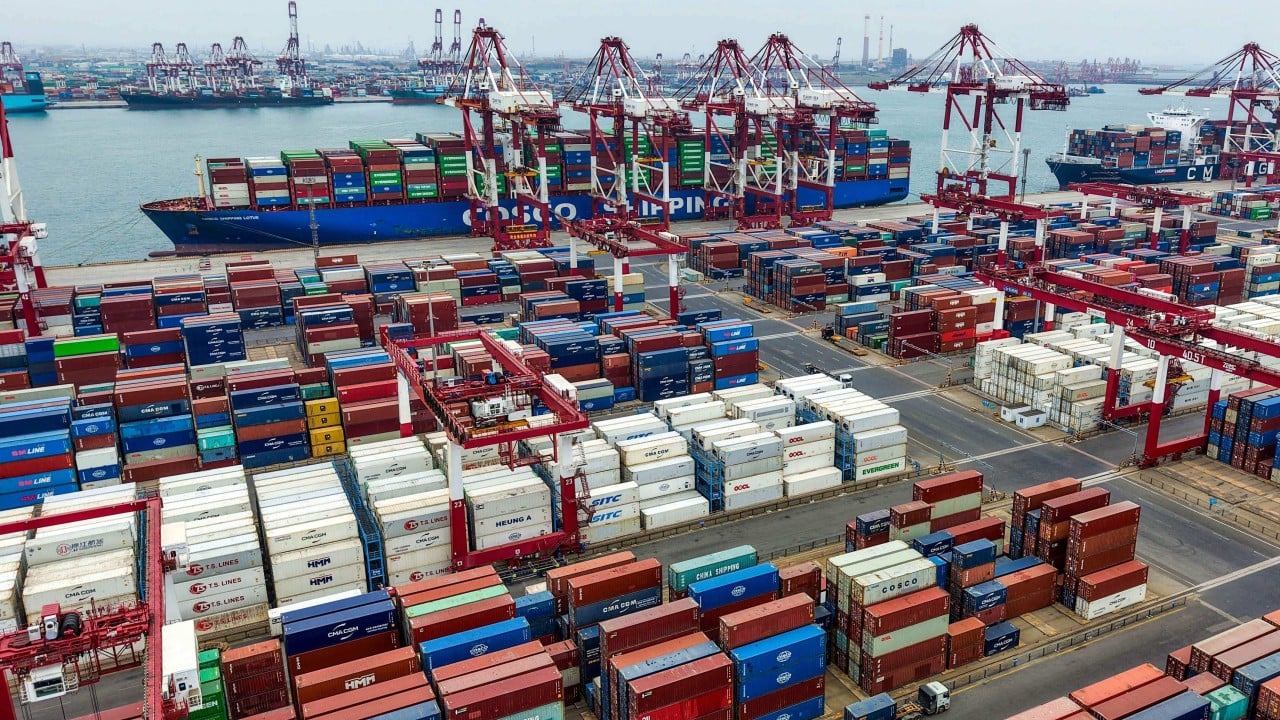
Machinery, textiles, basic metals, and chemicals top the danger lists. Machinery alone claimed 141 flagged product categories in the analysis covering the year leading up to June. Textiles followed closely with 116 lines, while basic metals and chemicals hit 110 and 107 lines respectively. These numbers aren't abstract data points. They represent industrial sectors where cheap inventory floods the market at breakneck speed.
The Shift Toward Proactive Tariffs
For years, Brussels moved at a glacial pace on trade defense. Industries had to suffer, gather mountains of evidence, and lobby for months before trade officials launched formal investigations. That era is dying.
Redonnet signaled that the commission might launch safeguard investigations ex officio. That means Brussels can pull the trigger without waiting for a formal request from member states or local industry associations. It is a massive shift in posture.
When imports surge while prices crash, the union wants immediate answers and swift penalties. Officials are weighing an overcapacity instrument. This tool would let authorities raise tariffs automatically when inbound shipments from a dominant trading partner cross specific volume thresholds in vital categories.
At the same time, a new diversification package is rolling out in December. This initiative aims to force heavy reliance out of single-source supply chains. Companies operating inside the bloc will face mounting pressure to spread their vendor pools across multiple regions.
Internal Divisions and Beijing Pushback
Not every European capital sees the threat through the same lens. Paris wants aggressive, immediate protection for local manufacturing bases. French President Emmanuel Macron pulled no punches recently, accusing Beijing of flooding markets deliberately to crush domestic players and cannibalize entire industrial sectors.
Madrid takes a softer, more pragmatic stance. Spanish Prime Minister Pedro Sanchez agrees that massive trade surpluses are unsustainable, yet he insists on keeping diplomatic channels open. Europe must balance cooperation with competition, according to Spanish leadership. Beneath the diplomatic pleasantries, however, a consensus is hardening. The political elite agrees that doing nothing invites industrial collapse.
Beijing isn't sitting quietly while Brussels sharpens its tools. The Chinese Ministry of Commerce warned that piling on trade restrictions while pretending to seek dialogue destroys mutual trust. Officials in Beijing argue that weaponizing import barriers mirrors aggressive American tactics and harms global economic stability. Retaliation remains a distinct possibility if the European Commission moves ahead with broad tariff platforms.
Upcoming summits in October will test whether this unity holds. EU trade chief Maros Sefcovic is heading straight to Beijing for high-stakes talks with Wang Wentao, while political leaders prepare for crucial council debates.
The warning lights are flashing across every major port in Europe. The machinery of trade defense is spinning up. Factories across the continent are watching closely to see if these new tools can actually stop the flood before local manufacturing becomes a relic of the past. Protect your supply lines now by mapping your exposure to high-risk product categories before emergency tariffs hit your bottom line.