The lines of diplomacy in modern warfare rarely run through traditional ministries. Sometimes, they pass through unexpected offices.
Nearly 800 civilians recently moved out of the frontline pocket of Olechky under a localized humanitarian ceasefire negotiated by US First Lady Melania Trump. For months, this settlement on the banks of the Dniepr river endured relentless drone surveillance, artillery exchanges, and severe shortages of basic necessities. When the guns fell silent locally, it marked a rare diplomatic opening in a grinding conflict. Yet, looking closely at how this agreement came together reveals a lot about the changing mechanics of crisis negotiation.
Inside the Olechky Pocket
Olechky sits in the Kherson region, right across the water from territories retaken by Ukrainian forces. Positioned directly on the contact line, the town transformed into an isolated zone where basic survival became a daily gamble. Residents trapped there faced destroyed infrastructure, contaminated water sources, and constant crossfire.
Humanitarian access remained blocked for weeks. Both Moscow and Kyiv traded blame over who bore responsibility for stalling aid deliveries. In environments like this, standard bureaucratic channels often stall completely. Distrust runs too deep. Military commanders on the ground see every movement through a tactical lens, making unilateral relief efforts nearly impossible without explicit political cover from the highest tiers of power.
The Mechanics of a Localized Truce
The breakthrough arrived when a targeted pause in fighting was carved out specifically for Olechky. Melania Trump announced the arrangement, pointing to the acute humanitarian emergency facing elderly and vulnerable residents left behind. Securing compliance from both Russian and Ukrainian military commands required establishing direct communication channels that bypassed standard deadlocks.
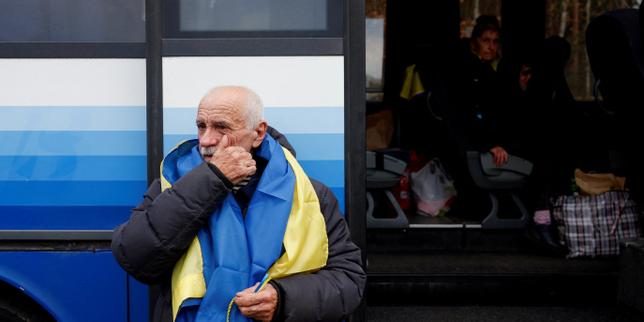
Under the terms of the temporary pause, evacuation corridors opened. Roughly 800 people managed to leave the devastated zone, crossing toward secure territory while neutral monitors documented the operation. For the families packed onto buses, the immediate concern wasn't geopolitics. It was escaping the daily threat of falling munitions.
Why This Specific Agreement Matters
Skeptics often dismiss localized ceasefires as minor footnotes in a massive war. That view misses the point. Small operational pauses test whether opposing forces can coordinate logistics without triggering a wider tactical collapse.
When military units on active fronts stand down for humanitarian reasons, trust gets built incrementally. It proves that communication lines remain functional. Upcoming diplomatic talks scheduled in the United Arab Emirates may lean on the operational lessons learned during these localized withdrawals. If a corridor can be managed under intense front-line conditions in Olechky, similar frameworks could theoretically apply elsewhere along the contested frontier.
Looking Beyond the Headlines
The success of the Olechky evacuation highlights a stark reality. Ending human suffering on the ground rarely happens through sweeping political declarations alone. It takes granular, meticulous coordination, precise geographic boundaries, and immense pressure from external actors who carry enough weight to demand compliance from both sides.
As the evacuees settle into temporary housing and reconnect with relatives, the broader war grinds onward. Artillery still echoes across other sectors of the eastern and southern fronts. But for those 800 individuals, the sudden shift in diplomatic momentum meant the difference between surviving an impossible siege and finding safety.