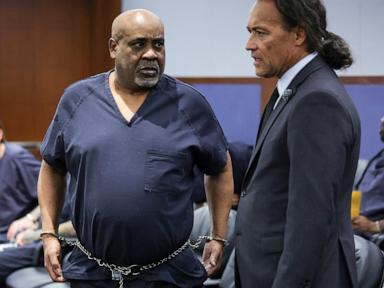
For nearly thirty years, the murder of Tupac Shakur felt like a permanent pop-culture ghost story—an unsolved tragedy encased in myth, conspiracy theories, and street lore. That illusion shattered when Duane “Keffe D” Davis appeared in a Las Vegas courtroom to face trial for orchestrating the fatal 1996 drive-by shooting. Most casual observers assume this trial will finally reveal the gunman who fired the fatal shots into a black BMW near the Las Vegas Strip. It won't.
Instead, the prosecution is banking on a completely different legal strategy. They are aiming to prove that Davis served as the ultimate shot caller, supplying the weapon and directing a brutal gang retaliation. If you want to understand how a cold case sitting dormant for decades suddenly made it to a courtroom docket, you have to look past the tabloid headlines and examine the actual mechanics of the state's case.
The Real Catalyst Behind the Charges
Police didn't crack this case using secret wiretaps or brand-new forensic DNA breakthroughs. They used Duane Davis's own public bragging. For years, Davis spoke openly in documentary interviews, podcasts, and his 2019 memoir, Compton Street Legend, detailing his role as a leader of the South Side Compton Crips.
Prosecutors argue that without these explicit public admissions, no one would ever be sitting at a defense table today. Davis practically wrote the state's indictment himself. When you publish a book boasting about how your crew handled a rivalry, prosecutors take notice. His defense team has tried scrambling to claim those admissions were just fictionalized storytelling designed to boost book sales, but judges didn't buy it.
The Gang Retaliation Motive
To make sense of why Tupac Shakur died on September 7, 1996, you have to understand the violent ecosystem of 1990s hip-hop politics and street gangs. The fatal encounter was the explosive finale of a hours-long chain of events.
Earlier that night at the MGM Grand, Shakur and members of his Death Row Records entourage confronted and beat up Orlando “Baby Lane” Anderson, a member of the South Side Compton Crips and Davis's nephew. Investigators point to this brawl as the core motive. Davis allegedly wanted immediate revenge for the humiliation of his family member.
Here is how the timeline broke down that night:
- Hours before the shooting, the brawl broke out in the casino lobby.
- Davis and his associates tracked down a firearm, securing a Glock.
- A white Cadillac pulled up alongside the car carrying Shakur and Marion "Suge" Knight at a red light.
- Gunfire erupted from that vehicle, mortally wounding the rapper, who passed away six days later.
Why the Defense Strategy Relies on Missing Physical Evidence
Davis's defense attorneys are leaning heavily on a straightforward argument: the state lacks physical evidence. There is no DNA linking Davis to the trigger, the original murder weapon was never recovered, and most of the eyewitnesses from that night are long gone.
Furthermore, the defense argues that Davis completely stepped away from the narcotics trade years ago and lived a quiet life before health issues forced him into retirement. They are betting that a jury won't convict a 63-year-old man based purely on old media interviews and a ghostwritten memoir.
What Comes Next for the Legacy of Tupac Shakur
For Shakur's family, including his stepbrother Mopreme Shakur, sitting through these courtroom proceedings is an exhausting, retraumatizing ordeal after three decades of waiting. Yet there remains a cautious optimism that a measure of legal accountability will finally arrive.
This trial isn't just about closing a high-profile celebrity murder file. It represents a major test of whether prosecutors can use modern gang enhancement laws and a defendant's own digital footprint to secure a conviction in a decades-old crime. Whether the jury convicts or acquits, the proceedings have permanently changed the narrative from urban legend to documented courtroom reality.


