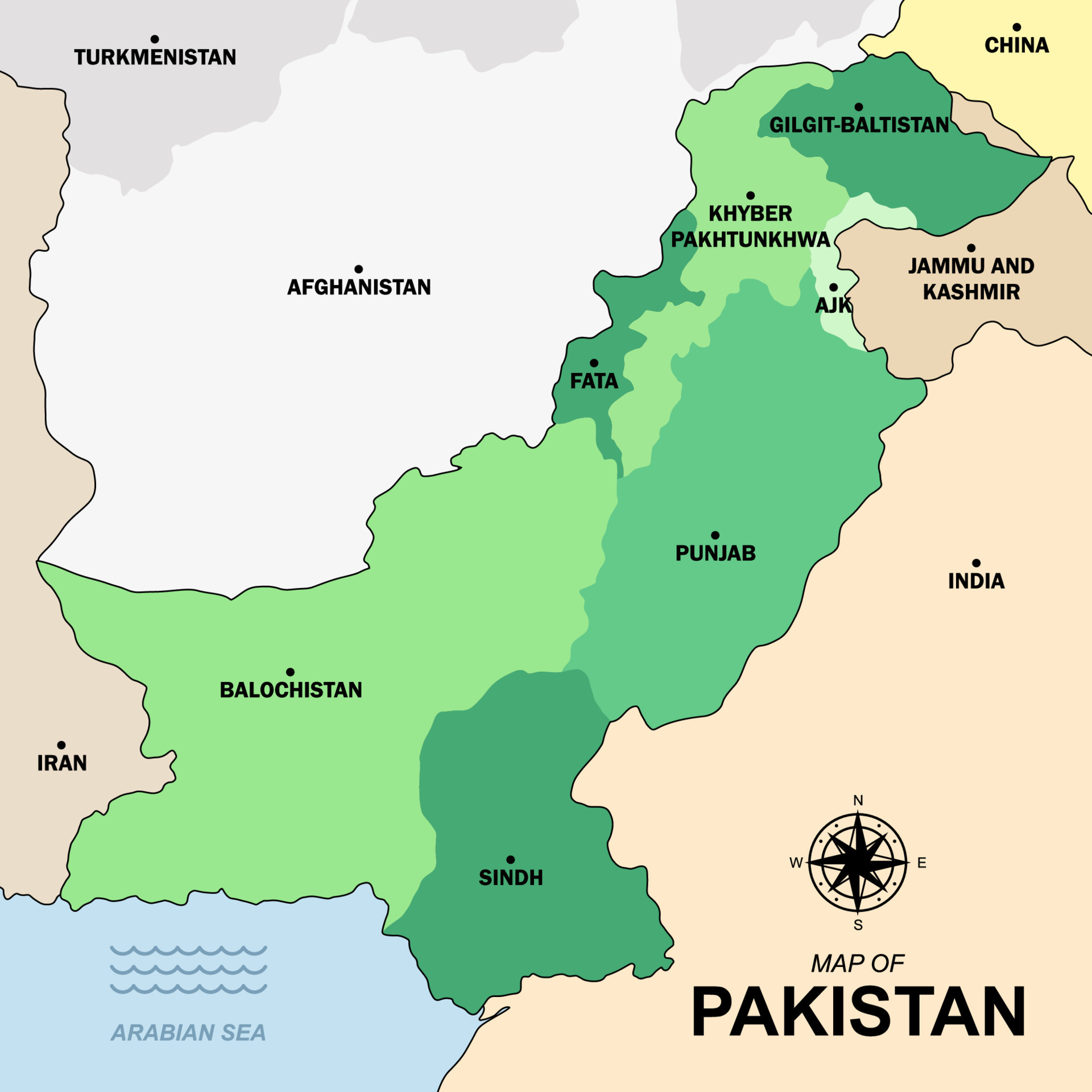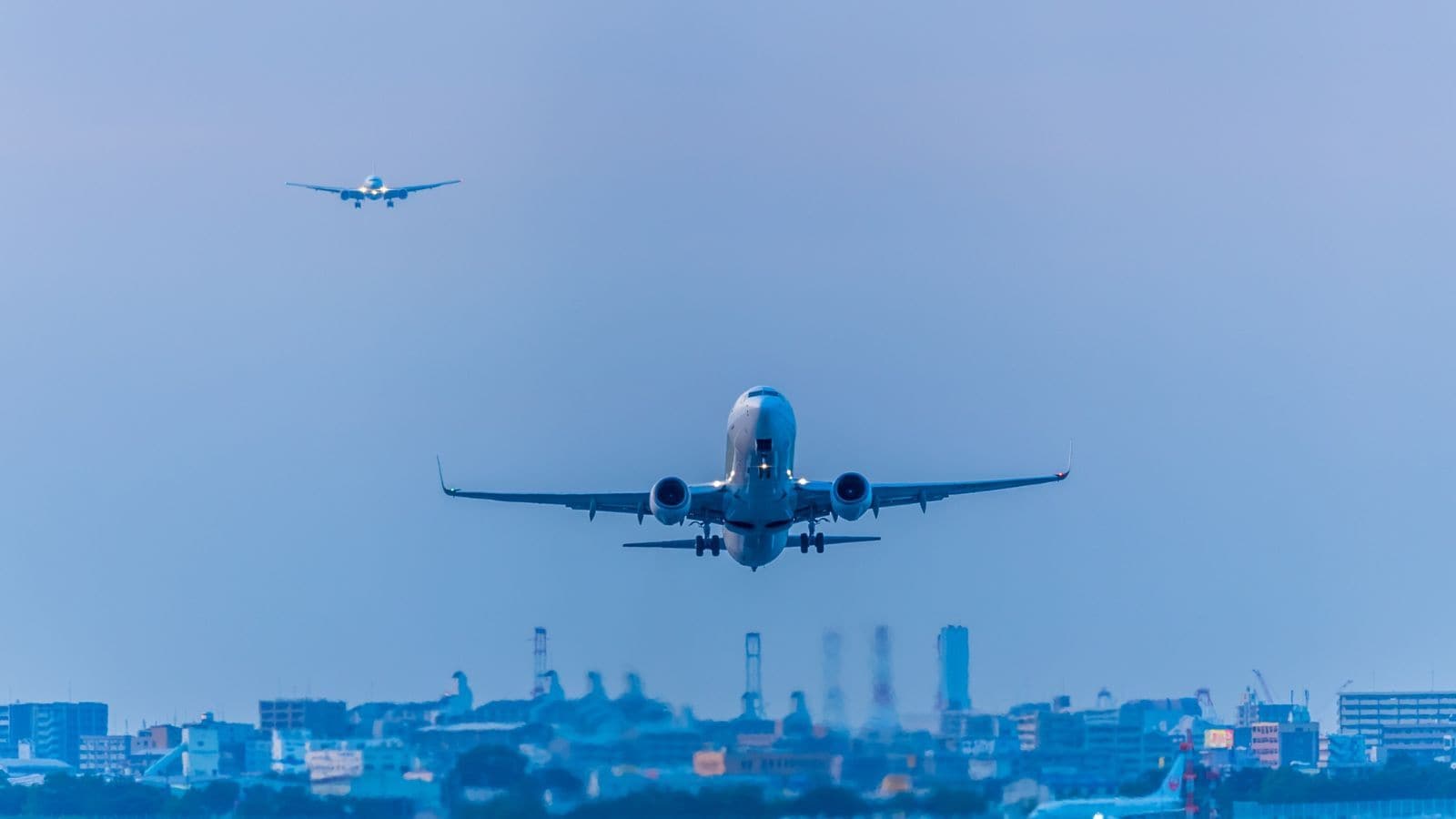
Political stalemates always find a way to hit citizens where it hurts, and right now, that means your wallet and your flight time. Pakistan has officially extended its airspace ban on Indian aircraft through November 24, keeping the restriction active across both the Lahore and Karachi Flight Information Regions. If you are flying long-haul from India or running airline operations in the region, this ongoing closure is far from a minor inconvenience—it is a massive financial and logistical drain.
The restriction, which applies to all Indian-registered planes as well as any aircraft owned, operated, or leased by Indian operators, has been rolling over in monthly extensions since April 2025. While a diplomatic ceasefire has held following the intense military escalations of May 2025, the skies above Pakistan remain strictly off-limits to Indian commercial and military flights.
The Mounting Costs for Indian Carriers
When airspace shuts down, math takes over. Carriers like Air India are forced to route flights around Pakistani skies, adding hours to international itineraries heading toward Europe and North America. Longer routes mean burning more fuel, paying higher crew overtime, and dealing with tighter turnaround schedules.
The financial toll is staggering. Documents submitted to Indian authorities show that Air India has estimated the annual pre-tax profit impact of the airspace closure at roughly $455 million. For an airline industry trying to stay competitive globally, eating hundreds of millions of dollars in extra fuel costs is brutal. Fuel expenses alone have spiked by nearly 30 percent on specific long-haul tracks because planes have to swing wide around the western boundary or look for alternative corridors.
Why a Resolution Remains Out of Reach
You might wonder why commercial aviation cannot be decoupled from bilateral disputes. After all, ordinary passengers bear the brunt of geopolitical posturing. But aviation rights are deeply tied to state sovereignty and diplomatic leverage.
The closure originated in the wake of the April 2025 crisis, which saw a severe escalation in tensions following accusations over the Pahalgam attack, subsequent cross-border strikes, and the temporary suspension of major treaties like the Indus Waters Treaty. Even though a U.S.-brokered ceasefire calmed the military front in May 2025, regularizing civilian transit has taken a backseat to broader political distrust.
India implemented reciprocal bans on Pakistani carriers back in April 2025, meaning neither side is willing to blink first. Without a breakthrough in high-level diplomatic talks, both nations are locked into a stubborn standoff that punishes commercial operators daily.
How Airlines Are Adapting to the Skies
Carriers are scrambling for workarounds to survive the closure. Some airlines have actively lobbied to secure alternative routing permissions, such as flying through Chinese airspace over Xinjiang, to shave down detour times. Yet, navigating international air traffic control approvals across multiple countries is complex and slow.
If you are planning an international trip departing from India, expect your flight paths to remain circuitous for the foreseeable future. Until diplomats find a way to reopen the skies, the extended airspace ban will remain a costly fixture of regional geopolitics. Check your flight durations carefully, brace for longer hours in the air, and factor potential schedule shifts into your travel plans.