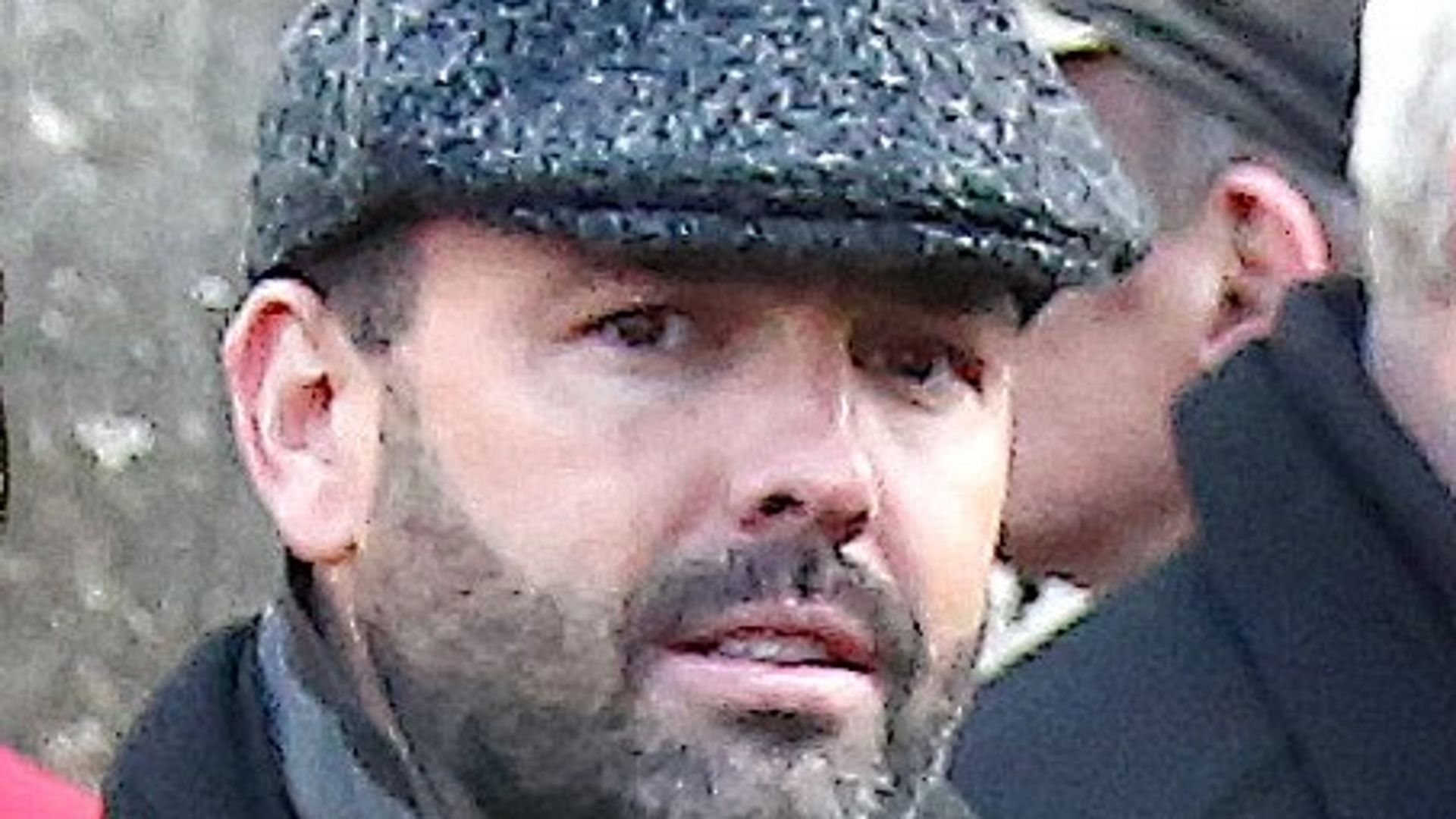
The Dubai bubble finally popped for Daniel Kinahan. For years, the alleged mastermind behind the Kinahan Organised Crime Group operated with apparent impunity from the luxury of the United Arab Emirates, far out of reach of European courts. That era came to an abrupt, screeching halt when an Irish government jet touched down at Casement Aerodrome carrying the 49-year-old fugitive.
Law enforcement didn't just arrest a suspect. They dismantled the myth of the untouchable luxury exile.
The High-Security Arrival in Dublin
When the military jet landed under the watch of circling helicopters, the logistics were staggering. A high-speed convoy featuring bulletproof and bombproof vehicles swept Kinahan away under heavy armed guard. Instead of a standard booking procedure, he faced an extraordinary Sunday night sitting at Dublin's Special Criminal Court.
The charges are severe. Prosecutors formally accused Kinahan of directing a criminal organisation, the anchor charge of a sprawling multi-billion dollar enterprise involving drug trafficking, money laundering, and coordinated violence that stretched from South America to the United Kingdom and mainland Europe.
Remanded directly into custody, he now looks at high-security confinement instead of five-star Dubai hotels.
How International Pressure Cornered the Cartel
Most people assume global kingpins stay safe forever if they pick the right jurisdiction. They don't. The turning point arrived when international policing agencies synchronized their pressure.
Back in 2022, the United States Treasury slapped heavy sanctions on Kinahan, key family members, and associated front businesses, even dangling a $5 million bounty for information. That financial squeeze changed the calculus for Gulf nations wary of becoming safe havens for global fugitives. Bilateral extradition treaties turned from diplomatic talking points into active machinery.
When the UAE courts and the Dubai Court of Cassation finally cleared the extradition path, the operational net closed fast. An arrest warrant issued by Ireland triggered a coordinated handover that proves physical distance doesn't mean safety anymore.
The Real Impact on Global Drug Networks
Organised crime syndicates rely heavily on decentralized leadership. When a boss builds a brand that spans boxing promotions, real estate, and global smuggling rings, followers think the structure is bulletproof.
It isn't. The Kinahan Organised Crime Group (KOCG) has watched its core leadership systematically dismantled. With top associates like Thomas Kavanagh already serving multi-decade prison sentences in Britain and others falling to coordinated extradition sweeps, the cartel faces an institutional vacuum.
Police forces across Europe and the Middle East are shifting their strategies. Extraditing high-profile targets from non-traditional partner countries used to be nearly impossible. Now, the legal precedent set by this case signals to other international fugitives that the luxury exile model is dying.
You can run, but state apparatuses have infinite patience once political will aligns with police intelligence.
The courtroom doors in Dublin have shut behind Kinahan, but the ripple effects across global law enforcement are just beginning. Safe havens are shrinking, and the cost of doing transnational business has never been higher.


