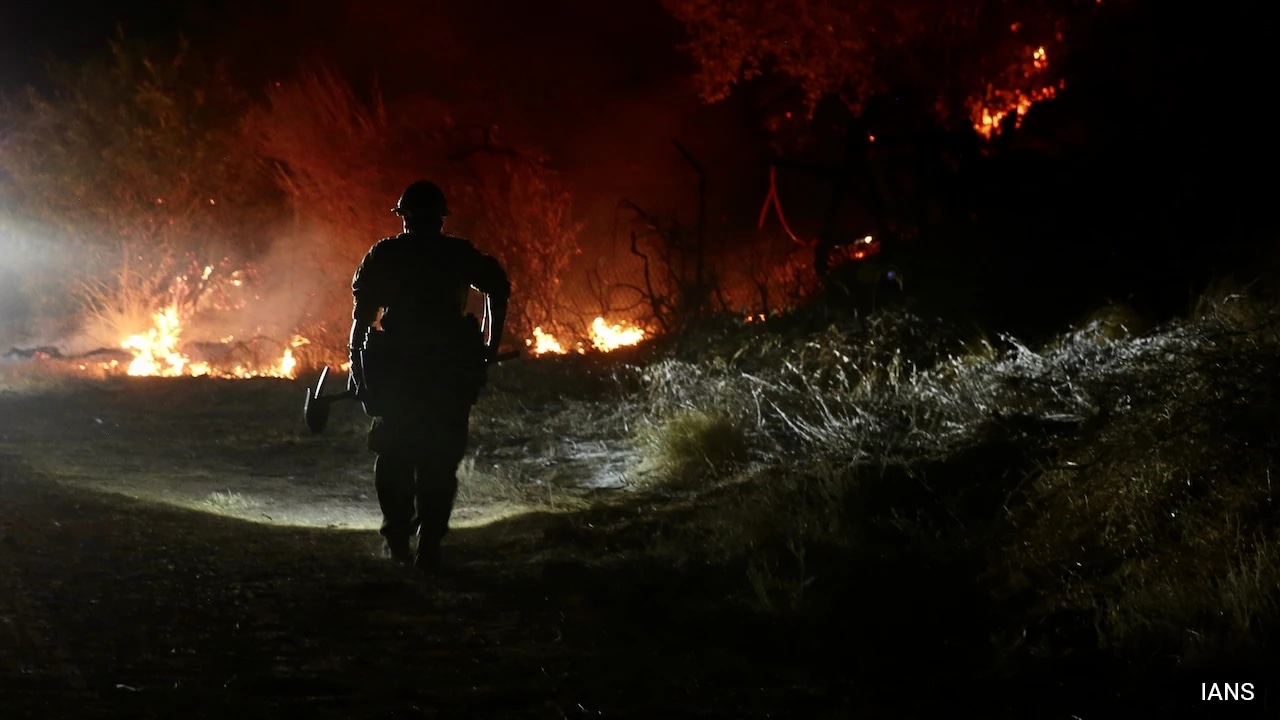
Low visibility, shifting winds, and immense heat make aerial firefighting a high-stakes gamble. When a heavy-lift helicopter went down during the fight against the massive Widemouth 2 Fire in Utah, it underscored the raw danger faced by aviation crews. Two pilots lost their lives when their Sikorsky Skycrane crashed in the Fishlake National Forest, turning an already brutal natural disaster into a human tragedy.
Let's look at what actually happened on the ground and why incidents like this expose the terrifying reality of modern wildfire suppression.
The Tragic Crash in the Fishlake National Forest
The disaster unfolded on a Friday morning around 10:40 a.m. A Sikorsky S-64 Skycrane operated by Helicopter Transport Services under a U.S. Forest Service contract was working the lines. It went down near Richfield in Sevier County.
There were two people on board, and the impact itself triggered a secondary blaze. That secondary fire rapidly merged with the sprawling Widemouth 2 Fire, creating an immediate hazard zone.
Why Emergency Crews Couldn't Reach the Wreckage Immediately
You might wonder why rescue teams didn't rush right in. The reality of active wildfire zones makes immediate access nearly impossible.
Intense heat, thick smoke, and aggressive fire behavior forced ground teams back. Officials confirmed they couldn't safely approach the crash site on Friday because active flames blocked every route. It wasn't until Saturday that emergency personnel and county coroner teams carved a path through the danger to confirm the deaths.
The Sevier County Sheriff handled the grim confirmation, while tributes poured in from state leaders like Utah Governor Spencer Cox, who emphasized that the sacrifices made by emergency aviation crews will not be forgotten.
The Scale of the Widemouth 2 Fire
The Widemouth 2 Fire isn't just another routine brush fire. Sparked by lightning back on July 27, it has ballooned into Utah's largest wildfire of the year.
As of the weekend, the blaze had scorched nearly 174 square miles (about 111,000 acres). More than 600 personnel have been deployed, backed by multiple engines, bulldozers, water tenders, and a fleet of aircraft. Incident commanders have described the fire's behavior as volatile and aggressive, particularly as it pushes toward Interstate 70 and threatens communities near Kanosh and Fillmore.
What Happens Next in the Investigation
The Federal Aviation Administration and the National Transportation SafetyBoard hold jurisdiction over the accident. NTSB investigators are slated to examine the wreckage, but field logistics depend entirely on active fire suppression.
Gathering evidence in a charred, active wildfire zone takes time. NTSB reviews for major aviation incidents of this scale routinely take a year or longer to pinpoint exact mechanical or environmental triggers.
Aerial firefighting remains one of the most perilous jobs in aviation. Every season, pilots push heavy aircraft to their absolute limits in zero-visibility smoke and unpredictable mountain drafts. The loss of these two crew members highlights the heavy human toll paid behind the scenes of containment reports.


