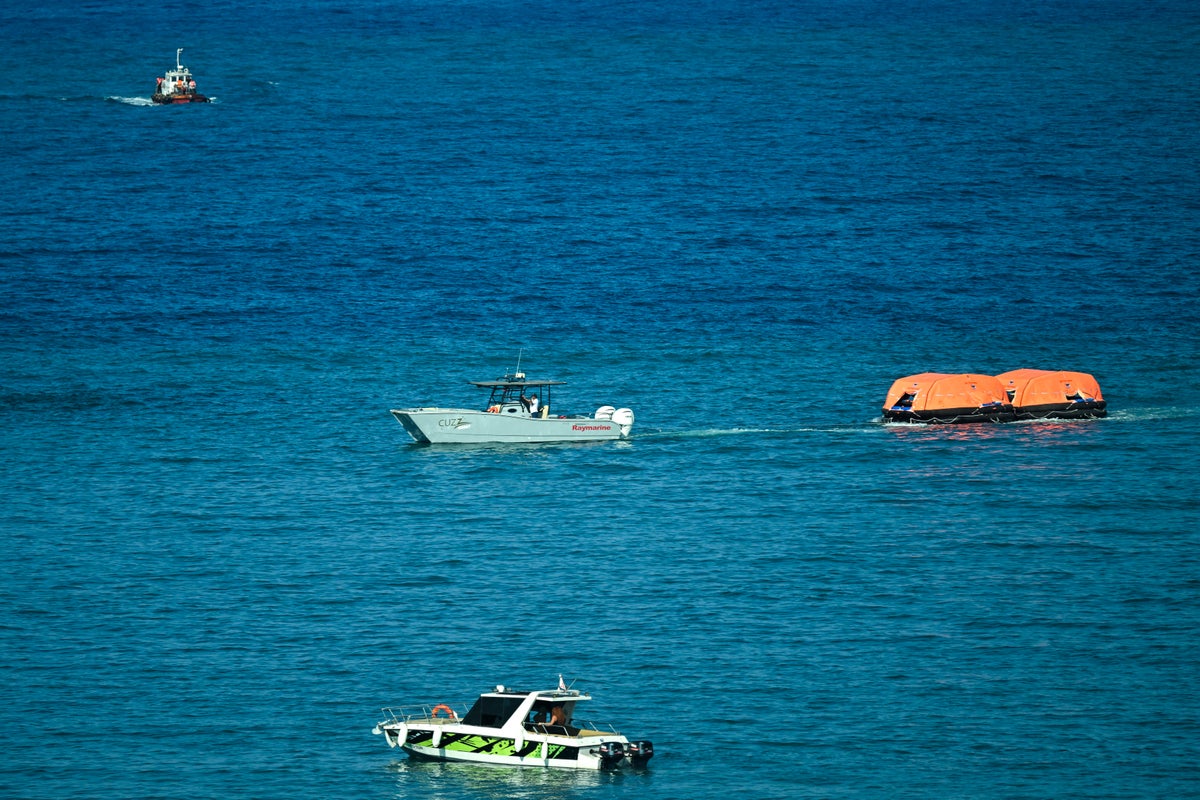
Maritime disasters rarely happen because of a single catastrophic failure. Usually, they are the grim product of compounding mistakes, overlooked warning signs, and regulatory blind spots. When the passenger ferry Filojet capsized and sank just four nautical miles off the coast of Kyrenia, it took at least eight lives with it, leaving a trail of missing passengers and an outraged public demanding accountability.
If you look closely at how maritime routes operate between mainland Turkey and northern Cyprus, this tragedy shouldn't shock you. It should anger you.
Operating daily shuttle services across these volatile waters is routine business for local operators. Yet, routine can quickly breed dangerous complacency. Nearly 270 souls were packed onto a vessel that ultimately settled 514 meters down on the seabed. As authorities scramble to investigate why a standard transit run turned into a graveyard, the detention of the captain and seven crew members signals that investigators are looking hard at human error and operational negligence rather than just a freak act of nature.
The Anatomy of the Kyrenia Disaster
Let's break down what actually happened on the water. The Filojet was making its regular crossing from Kyrenia toward Tasucu in southern Turkey. Weather data shows the region had just taken a severe beating from violent storms on Saturday. While Sunday's surface conditions appeared calm enough to greenlight departures, the ocean doesn't just calm down overnight. Residual swells, rogue waves, and unpredictable currents create immense hidden hazards.
Survivors have painted a terrifying picture of the vessel's final minutes. Passengers described a ship that behaved erratically long before the hull gave way. It was slamming violently, lifting out of the water, and shaking to its core.
When a commercial ferry starts shaking and slamming like that, it's a massive red flag. Survivors recalled a sudden, violent jolt where the ship leapt into the air before crashing down, causing the front left side to structurally rupture and flood instantly. Water poured in with terrifying speed.
Why wasn't the voyage recalled? Why did the ship push forward through heavy residual swells if structural stress was already evident? These are the questions maritime safety experts are asking right now, and standard bureaucratic answers won't cut it.
The Complex Realities of Cross-Border Maritime Oversight
Navigating the waters around Cyprus involves a unique set of geopolitical complications. Northern Cyprus operates as a breakaway state recognized only by Turkey. This political isolation creates grey areas in international maritime monitoring, standard safety enforcement, and joint rescue coordination.
When a disaster strikes in these contested or internationally isolated waters, coordination between Turkish Cypriot authorities, mainland Turkish rescue assets, and the internationally recognized Republic of Cyprus can become bogged down by politics. Fortunately, initial response efforts saw swift deployment. Coast guard vessels and helicopters from both Turkey and local commands rushed to pull survivors from the overturned hull.
However, political division should never interfere with maritime safety standards. Ferries carrying hundreds of commuters and tourists must adhere to the absolute highest international classification of seaworthiness, regardless of political recognition status. When operators cut corners or ignore structural stress warnings because of tight schedules, passengers pay the ultimate price.
What Needs to Change Right Now
If we want to stop these tragedies from repeating, the maritime industry needs an immediate reality check. Here is what needs to happen on the ground:
- Mandatory Weather Thresholds: Port authorities must stop relying solely on surface conditions for the current day. Residual wave action and swell heights from previous storms must trigger automatic sailing suspensions.
- Strict Structural Audits: Aging shuttle vessels operating high-frequency routes require aggressive, independent hull inspections. A quick visual check at the dock is completely useless against metal fatigue.
- Passenger Load Transparency: Overcrowding concerns on high-demand regional transit lines need strict oversight, ensuring real-time passenger manifests match evacuation capacities precisely.
The detention of the captain and crew points the finger at the wheelhouse, but accountability shouldn't stop at the lowest rung of the operational ladder. Regulatory bodies and corporate operators must answer for the safety culture they foster.
Don't wait for the next sinking to demand safer seas. Check the safety record of the operators you choose, hold regional authorities accountable to transparent maritime standards, and refuse to accept negligence as just part of the journey.