Valuable art pieces face danger the moment they leave the climate-controlled security of a gallery wall. When a shipment of eleven rare Japanese paintings worth more than half a million dollars turned into soggy paper on an airport tarmac, it highlighted a massive blind spot in commercial aviation cargo handling.
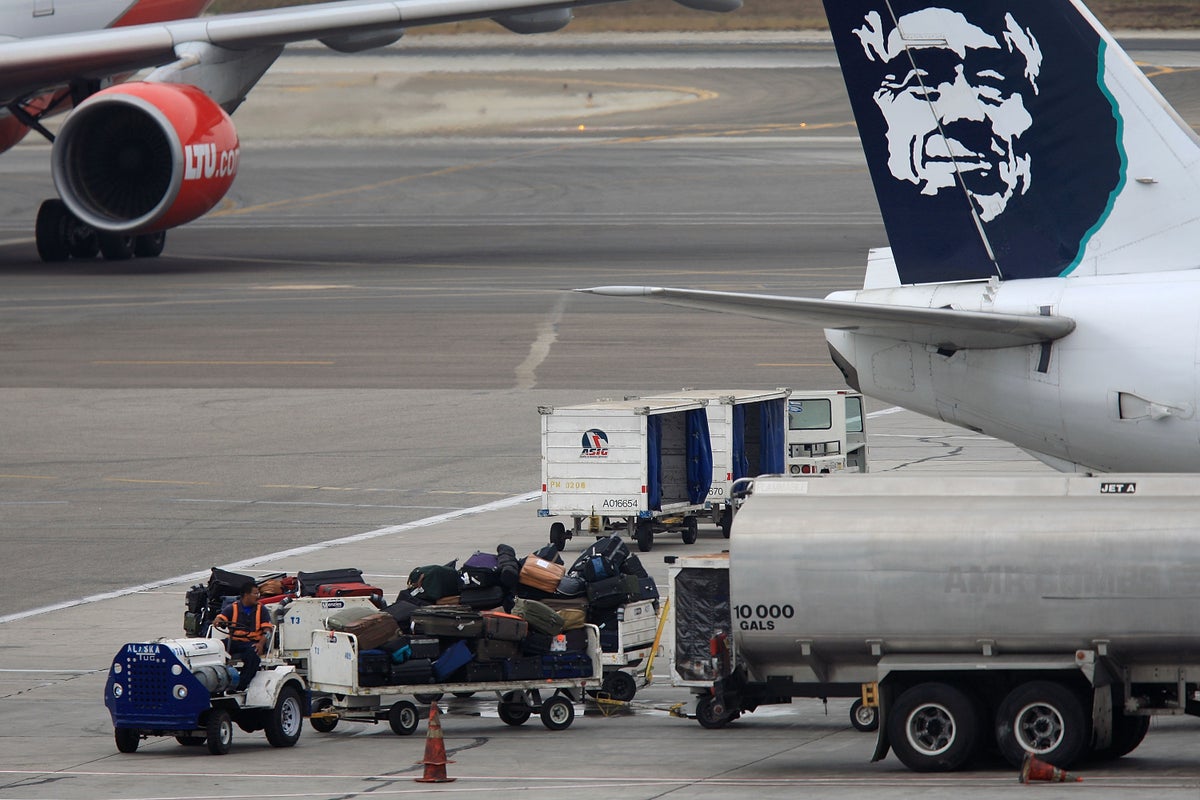
According to a state court lawsuit filed by Distinguished Programs Insurance Brokerage, an Alaska Airlines flight carrying the artwork made a stop in Honolulu during a torrential downpour. Instead of keeping the cardboard-crated paintings dry, ground crew members allegedly deplaned the cargo right into the heavy rain without any protective covering. The result was catastrophic. The original pieces, destined for Naga Antiques in Hudson, New York, were completely soaked and sustained structural damage totaling $521,900.
The legal complaint doesn't hold back. It accuses Alaska Airlines and its subsidiary, Hawaiian Airlines, of gross neglect and willful misconduct. The core argument is simple: leaving fine art exposed to open-air tropical downpours isn't just an accident; it is an avoidable failure of basic operational duty.
Why Art Cargo Keeps Getting Destroyed
This disaster isn't an isolated incident. Commercial carriers routinely treat high-value cultural artifacts like standard baggage. Insurance companies spend millions every year paying out claims for items damaged during transit.
Take the 2017 case where Zurich American sued Delta Air Lines for $2.6 million on behalf of Christie's. A Gerhard Richter painting valued in the millions left New York in pristine condition and arrived in California completely ruined. Years earlier, the Gagosian Gallery dragged Lufthansa Cargo into federal court over a $3 million Brice Marden painting that suffered severe paint loss after breaking loose inside its travel frame.
Why does this keep happening? Airlines operate on tight turnaround schedules. Ground crews face immense pressure to unload and load planes as fast as possible. When bad weather hits, cargo protection protocols often take a backseat to schedule adherence. Workers rushing to clear the tarmac skip the extra step of draping weather-resistant tarps over sensitive crates or rushing moisture-vulnerable shipments straight into covered holding areas.
The Real Cost of Gross Neglect
When an artwork gets ruined in transit, the financial fallout triggers a domino effect across the insurance and gallery ecosystem. Naga Antiques didn't have to fight Alaska Airlines directly because their insurance provider stepped in, covered the loss, and took over the legal battle.
Insurance underwriters are getting tired of footing the bill for airline carelessness. Policies for fine art transit cost a fortune for a reason. Carriers that treat cargo like indestructible freight end up facing heavy litigation from corporate insurers who refuse to absorb losses caused by lazy tarmac operations.
If you are shipping high-value items, you cannot rely on standard airline handling. You need specialized courier services, tarmac-side climate-controlled monitoring, and airtight contractual liabilities that hold carriers financially accountable for weather-related negligence.
Check your carrier agreements before booking international fine art transport. Demand written confirmation of tarmac weather protocols, or stick exclusively to specialized fine art logistics firms that never let your pieces touch a rainy airport floor unprotected.