Buying a fitness tracker is easy. Wearing it three months from now is where most people quit. You get sucked into the hype of infinite metrics, buy a shiny band with an optical sensor, and watch it collect dust on your nightstand once the novelty wears off.
The problem isn't your willpower. It's that tech companies build wearables for data nerds, not real life. They throw twenty different health stats at you without explaining what any of it means for your actual day-to-day energy or workout performance. You might also find this connected story insightful: How A Single Medical Evacuation From Nigeria To Switzerland Highlights The Reality Of Modern Ebola Spreads.
You don't need a medical lab on your wrist. You need a tool that fits your routine, respects your budget, and tells you whether you should push harder or go sleep off a rough day. Let's look at how to pick a fitness tracker that won't end up in a drawer, based on real-world testing and what matters most for your goals.
Matching Your Tracker to Reality
Before you drop money on a smartwatch or a smart ring, figure out what kind of user you actually are. If you hate charging things every single night, buying a heavy smartwatch is a mistake. If you lift weights four days a week, a basic step counter won't give you the data you want. As discussed in latest reports by National Institutes of Health, the results are notable.
Let's break down the options that fit real human habits rather than marketing brochures.
The No-Nonsense Pick for Beginners
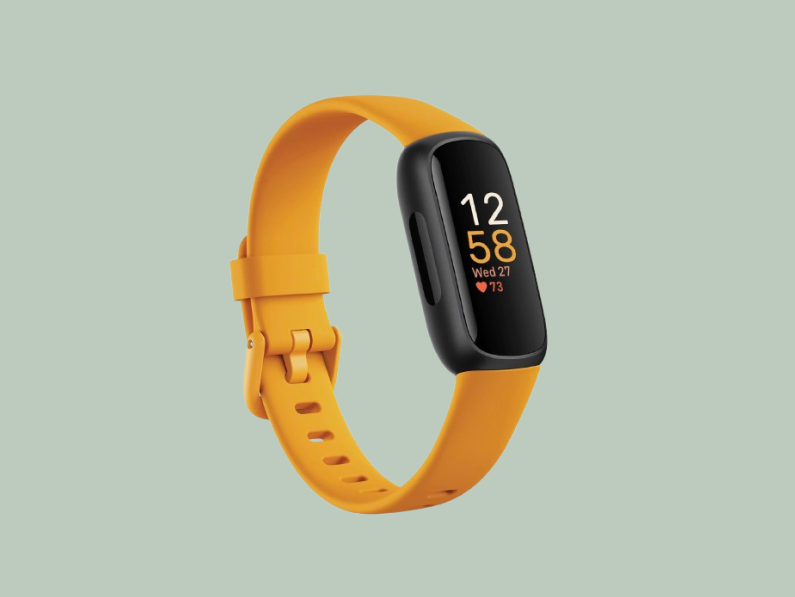
If you're just starting out or want something lightweight that gets out of your way, a minimalist band like the Google Fitbit Inspire 3 makes sense. It strips away the heavy notifications, apps, and distractions. You get core health tracking like heart rate, sleep quality, and daily step counts in a package you barely feel on your skin.
You charge it once a week, it handles sweat fine, and it gives you gentle reminders to move without nagging you. For anyone stepping into structured health tracking for the first time, this beats spending hundreds of dollars on features you'll never touch.
When You Need Serious Training Metrics
Running, cycling, and structured endurance training demand more than a simple step count. If you care about training load, built-in GPS, and recovery metrics like Garmin's Body Battery, look at a dedicated sports watch like the Garmin vívoactive 5.
Garmin software focuses heavily on athletic performance and recovery rather than smartphone notifications. If you're training for a half-marathon or trying to break a personal cycling record, getting accurate pace analytics and clean post-workout recovery insights will change how you program your training weeks.
The Smartwatch Route for iPhone and Android Users
If you want your wrist tech to double as an extension of your phone, the choice usually comes down to your operating system. iPhone users gravitate toward the Apple Watch Series 10 because the ecosystem integration is airtight. You can reply to texts, take phone calls, and check electrocardiograms without pulling out your phone.
Android users find a similar deep integration with the Samsung Galaxy Watch series. These devices offer advanced sensor arrays, bright displays, and continuous health tracking. The trade-off is battery life. You'll be charging these daily, which takes some getting used to if you want continuous 24/7 sleep and recovery tracking.
The Invisible Tracker Alternative
If wristbands annoy you, smart rings like the Oura Ring 4 solve that specific problem. Wearing a traditional watch to bed feels bulky for many people, which ruins overnight recovery tracking. A ring sits on your finger passively, tracking sleep stages, skin temperature, and heart rate variability without getting in the way of your regular jewelry or gym gloves.
The battery lasts up to a week, and it forces you to look at a clean app dashboard in the morning instead of glancing at notifications all day long. It's expensive, but for people who despise wearing screens on their arms, it's the best alternative available.
What to Ignore When Buying
Marketing teams love buzzwords. You'll see terms like medical-grade sensors, advanced biometric AI, and clinical insights thrown around freely. Take all of that with a grain of salt.
Consumer fitness trackers are wonderful for spotting trends over weeks and months, but they are not diagnostic medical tools. If your resting heart rate creeps up by five beats per minute over a month, that's a useful signal that you're overtraining or fighting off a bug. If a gadget tells you your exact biological age based on a proprietary algorithm, ignore it. Focus on consistency, battery life, comfort, and the specific metrics that align with your personal goals.
Pick the device that matches your daily comfort threshold. If you hate wearing it, you won't use it. Charge it when you shower, keep your app dashboard simple, and let the data guide your habits instead of running your life.