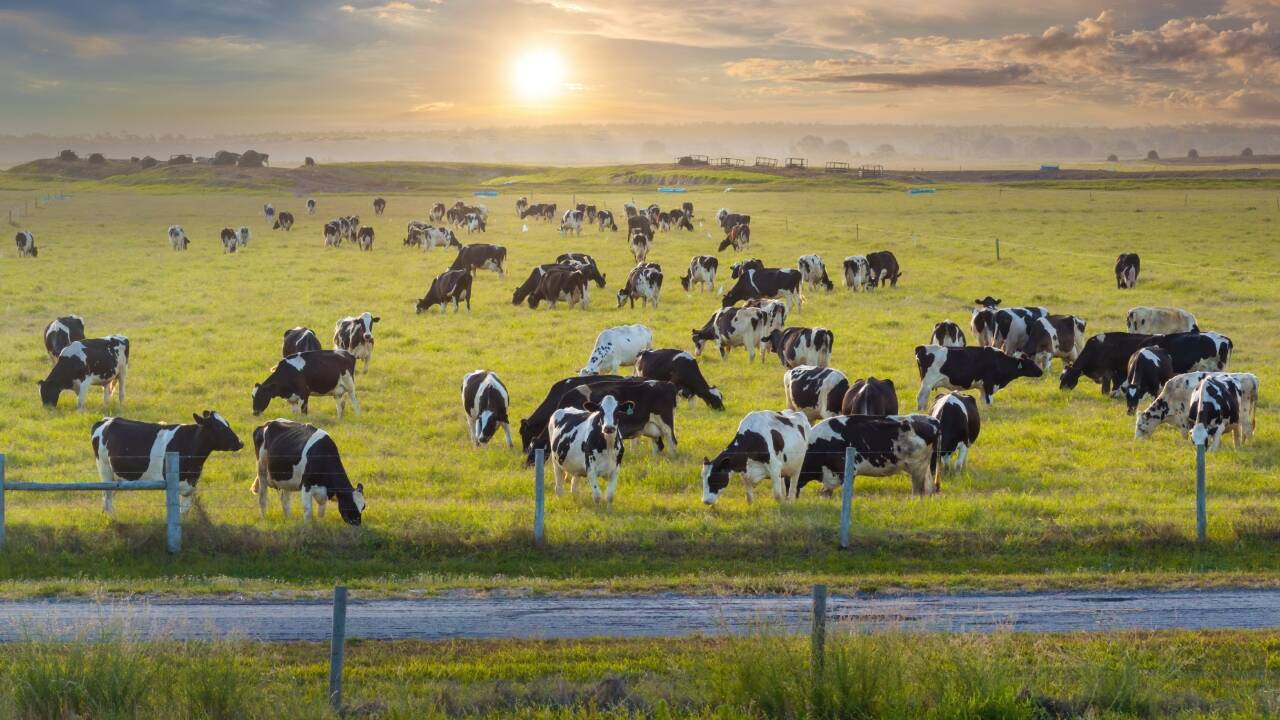
Florida is losing its open spaces at a brutal pace. Every single week, bulldozers roll over pastures to make room for another housing development or strip mall. But state leaders just dropped $8.7 million to halt that concrete wave on nearly 1,500 acres of working cattle ranches.
The real estate pressure in the Sunshine State is relentless. If you've driven down a rural highway lately, you've probably watched historic pastures vanish behind construction fences. State agriculture commissioner Wilton Simpson and local officials are pushing back through the Rural and Family Lands Protection Program. Instead of buying the land outright, the state purchases conservation easements. Ranchers keep owning their property and running cattle, but they legally surrender the right ever to pave it over.
Let's look at where the money actually went.
Inside the Two Protected Properties
The state split the $8.7 million funding across two distinct operations in Manatee and Highlands counties. These aren't pristine wilderness preserves locked away from humanity. They are working agricultural lands producing food and timber while keeping ecosystems intact.
Mossy Island covers roughly 420 acres in Manatee County. Its geographic positioning makes it a prime target for preservation. It sits directly next to Myakka River State Park to the west and the Myakka Prairie Conservation Easements to the south. University of Florida projections warned that the land right along Mossy Island's northern border is slated for heavy development by 2040. Securing this $4 million agreement—backed by $500,000 from Manatee County—stops that suburban creep dead in its tracks.
Down in Highlands County, the Florida Commission Company Ranch spans about 1,046 acres. The state secured a $4.7 million rural land protection easement here. This property runs active cattle operations on natural pastures while cultivating hay for on-site use.
Both ranches share a vital trait. They sit directly inside the Florida Wildlife Corridor. Keeping them intact prevents fragmenting critical habitats for panthers, bears, and native birds that need expansive roaming grounds.
How Conservation Easements Actually Work
Many people misunderstand how these land deals function. The state isn't taking property away from private citizens, nor is it turning working ranches into public parks.
Ranchers apply voluntarily to the program. Independent appraisers determine the value of the land's development rights. The state then pays the landowner to extinguish those rights permanently.
What's the catch? The land must remain in agricultural use forever. Furthermore, landowners like the ones at Mossy Island and Florida Commission Company Ranch must enroll in the state's Best Management Practices program. They have to manage water runoff, protect soil health, and minimize chemical usage.
This model saves taxpayers a fortune. Buying and managing millions of acres of public conservation land would bankrupt state budgets. By paying only for the development rights, Florida keeps agricultural land productive, private, and environmentally sound at a fraction of the cost.
The Bigger Picture Behind Florida's Land Rush
Funding for these programs didn't happen by accident. State leadership has poured massive capital into agricultural preservation over the last few years. More than $1.1 billion has flowed into the Rural and Family Lands Protection Program since 2022, fueled in part by a $425 million chunk in the 2026-27 state budget.
Since its inception, the program has locked in protection for over 253,000 acres of farmland. A huge chunk of that—nearly 188,000 acres—happened under Commissioner Simpson's current tenure.
Real estate developers hate these easements because they shrink the available inventory for sprawling subdivisions. Conservationists love them because they protect water recharge areas and wildlife migration routes without destroying the rural economy.
If you own agricultural land or care about Florida's vanishing natural identity, keep an eye on how local counties partner with state agencies. Municipalities like Manatee County chipping in their own funds signal a growing realization: once a pasture is paved over, you never get it back.