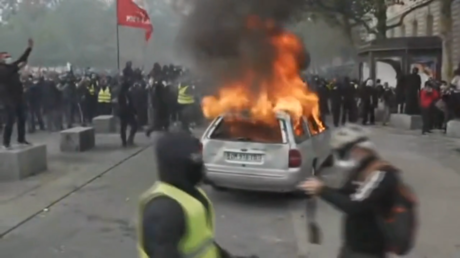
Tear gas hung thick in the air across major French cities as tens of thousands of demonstrators took to the streets. If you've been watching the news, you know it's not just another routine labor strike. This explosion of public anger blends student grievances, deep-seated cost-of-living rage, and bitter pushback against government austerity measures.
What started weeks ago as isolated high school walkouts in Créteil over teacher shortages and crumbling facilities has ballooned into a nationwide movement. Students, labor union members, and everyday citizens are colliding with riot police in Paris, Marseille, Rennes, Toulouse, and Angers. The French Interior Ministry confirmed hundreds of arrests as clashes turned violent, with masked demonstrators throwing fireworks, setting fires, and even breaching public buildings.
The Pressure Cooker Behind the French Protests
Why now? The friction points have been multiplying for months. President Emmanuel Macron's administration is pushing a harsh budget for 2027 focused heavily on deficit reduction and spending cuts. At the same time, high public debt has driven French borrowing costs to heights not seen in two decades.
Citizens feel the squeeze directly in their wallets. Inflation and soaring living costs have made everyday survival a struggle for working-class families and young people. When the government announces cuts while people struggle to afford basic goods, the reaction is predictable. People are tired of tightening their belts while they watch public services degrade.
Echoes of the Yellow Vests
Political analysts are already drawing comparisons to the 2018 Yellow Vest movement that shook the Élysée Palace to its core. While the Yellow Vests started over fuel taxes, this new wave shares the same DNA of decentralized anger, distrust of political elites, and rapid mobilization through social networks.
In Marseille, crowds broke into city hall, spray-painting walls and chanting revolutionary slogans before security forces pushed them back with tear gas. In Lyon, fires broke out near tourist hubs. These aren't peaceful weekend marches. They are chaotic, high-stakes confrontations reflecting a deep fracture in French society.
Government officials blame the violence on radical groups infiltrating the protests. Meanwhile, police tactics are facing severe scrutiny after reports of serious injuries among young demonstrators. Interior Minister Laurent Nunez has doubled down, warning that security forces won't hesitate to deploy stun grenades and intermediate weapons to maintain order.
What Happens Next on the Streets
Macron has urged calm and respect for public property, but appeals for patience ring hollow when people feel ignored. The standoff shows no signs of cooling down. As unions threaten prolonged strikes and students keep organizing walkouts, the government faces a brutal political dilemma. Back down and risk financial credibility with lenders, or stand firm and risk turning major French cities into permanent zones of conflict.
Keep an eye on how upcoming parliamentary debates handle the budget proposals. If the state refuses to budge on spending, the smoke in the streets won't clear anytime soon.

.png)