When the French state deploys up to 70,000 police officers to handle street demonstrations, nobody is pretending it is just another routine Saturday. It's a massive, heavy-handed display of force that tells you everything you need to know about how fragile civil unrest has become in Europe's most politically volatile democracy.
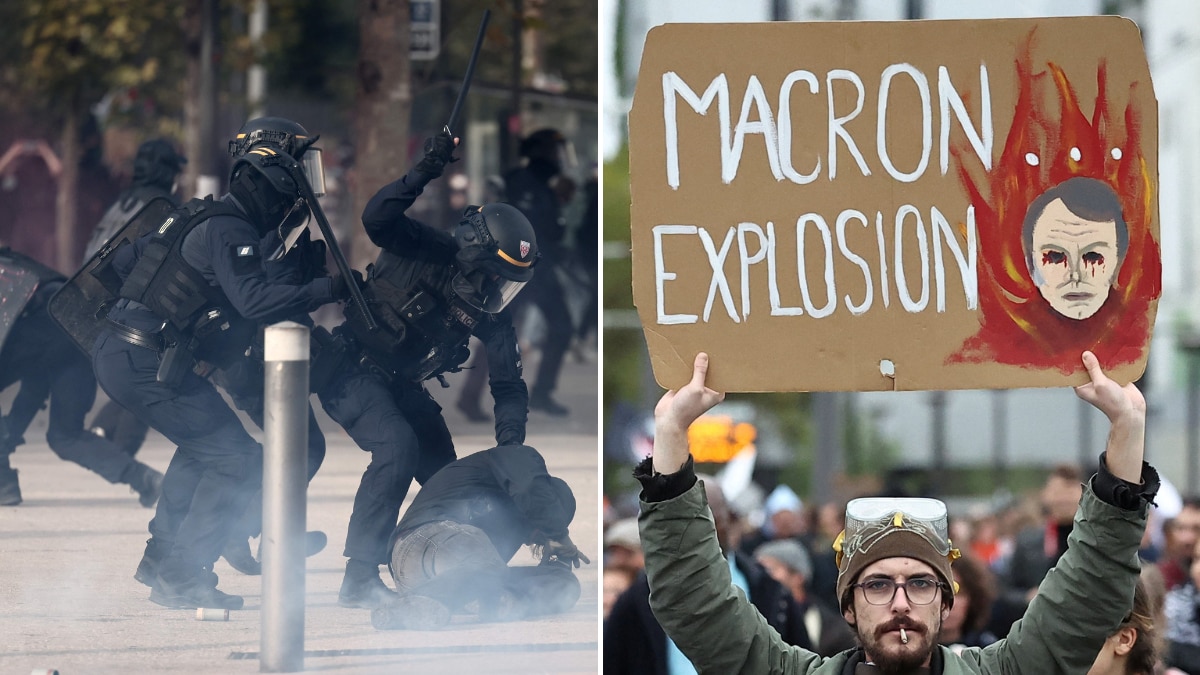
You see burning barricades on the news, tear gas hanging thick in the air around the Place de la République, and riot squads moving in formation. But looking past the dramatic footage reveals a deeper, structural crisis. The French government isn't just reacting to angry crowds. They're trying to contain a pressure cooker built on economic anxiety, deep distrust of political institutions, and a policing model that critics argue escalates rather than calms tensions.
The Real Cost of Massive Police Deployments
Mobilizing tens of thousands of security personnel drains state resources faster than most people realize. When you pull officers from routine patrols across small towns and rural departments just to secure central Paris or Lyon, other public safety needs take a hit.
I've talked to local security analysts who point out the sheer unsustainability of this cycle. Burnout among French police officers is staggering. They work exhausting shifts under volatile conditions, wearing heavy protective gear while facing volleys of paving stones, fireworks, and Molotov cocktails.
It's a brutal feedback loop. The state responds to violent factions within protests by flooding the streets with riot police. That heavy police presence often provokes even more hostility from peaceful demonstrators who feel their right to protest is being suppressed. You end up with a tense standoff where a single spark can turn a march into a battlefield.
Why Protests in France Hit Different
If you haven't spent time tracking French social movements, you might wonder why everyday policy disputes—like pension reforms, fuel taxes, or labor laws—consistently explode into nationwide showdowns.
France has a deeply ingrained revolutionary tradition. Striking and taking to the streets isn't viewed as a last resort; it's treated as a fundamental civic duty. When citizens feel ignored by technocratic elites in Paris, shutting down the transport network or blockading refineries is the quickest way to force the government to blink.
The state knows this history well. That is precisely why intelligence agencies and ministry officials panic at the first sign of converging grievances. They remember the Yellow Vest movement, which caught the government completely flat-footed and nearly brought the administration of Emmanuel Macron to its knees.
The Thin Line Between Security and Suppression
Civil liberties groups push back hard every time the interior ministry rolls out these colossal numbers. When 70,000 cops occupy urban centers, administrative preventive arrests spike. People get stopped, searched, and detained long before any violence actually occurs.
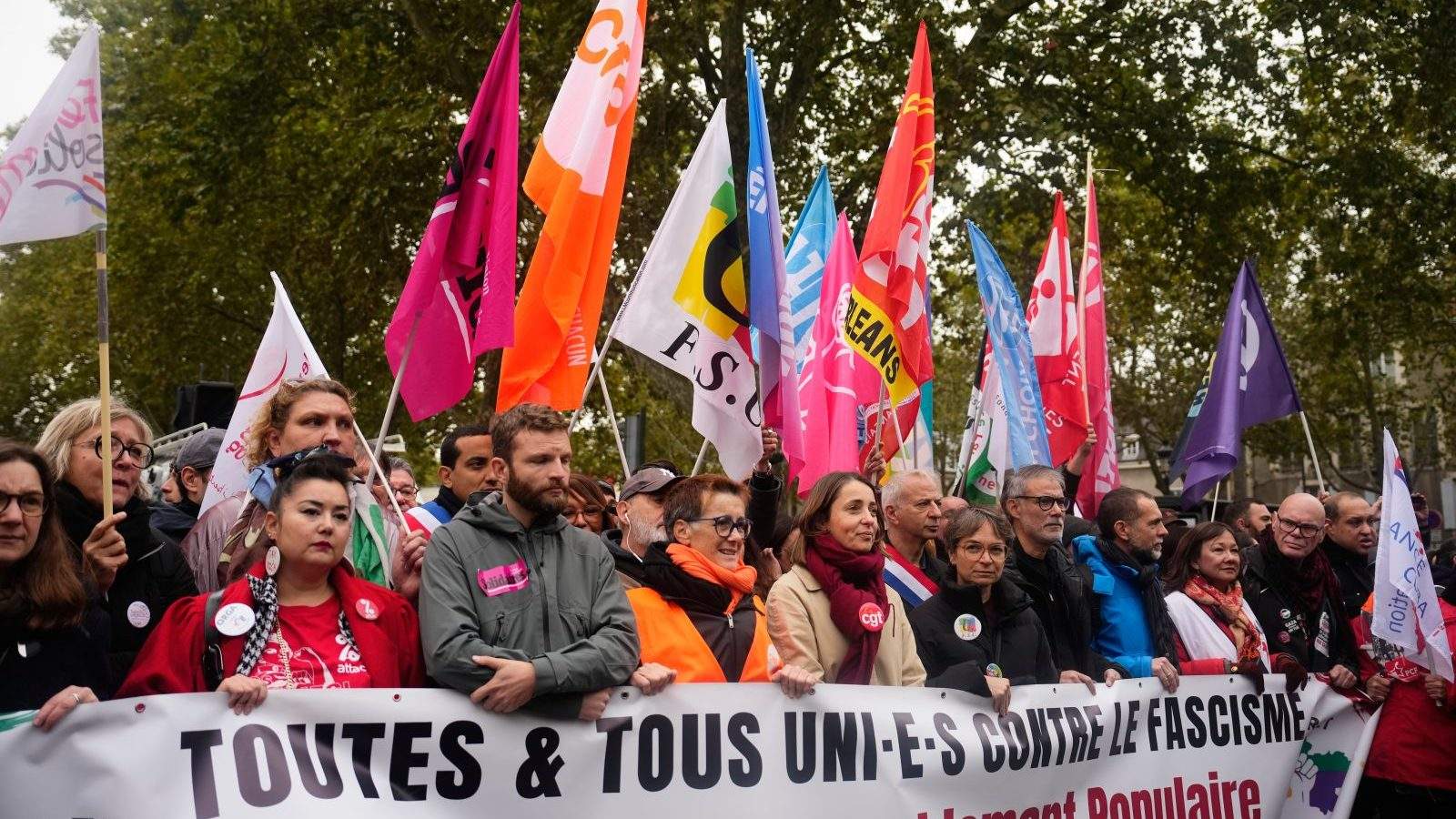
Critics argue this preventive strategy violates constitutional rights. They claim the government uses the excuse of fringe agitators—often referred to as black bloc elements who infiltrate peaceful marches to destroy property—as a pretext to intimidate ordinary citizens out of exercising their right to dissent.
On the flip side, authorities argue they have a non-negotiable duty to protect businesses, public infrastructure, and innocent bystanders from looting and arson. Storefronts smashed along the Champs-Élysées cost millions to repair, and insurance premiums for urban merchants are skyrocketing.
What Happens Next
The underlying causes of these repeated flare-ups aren't going away. Inflation is squeezing working-class households, public services are strained, and political polarization is deepening.
Fixing this isn't simply a matter of adding more riot vans or rewriting police tactics manuals. Until political leaders find a way to rebuild trust and engage in genuine dialogue with labor unions and grassroots movements, the French calendar will remain locked in this predictable rhythm.
Check the news next time a major reform bill drops. You won't see compromise. You'll see thousands of helmets, barricades, and a government hoping sheer force can hold the line.