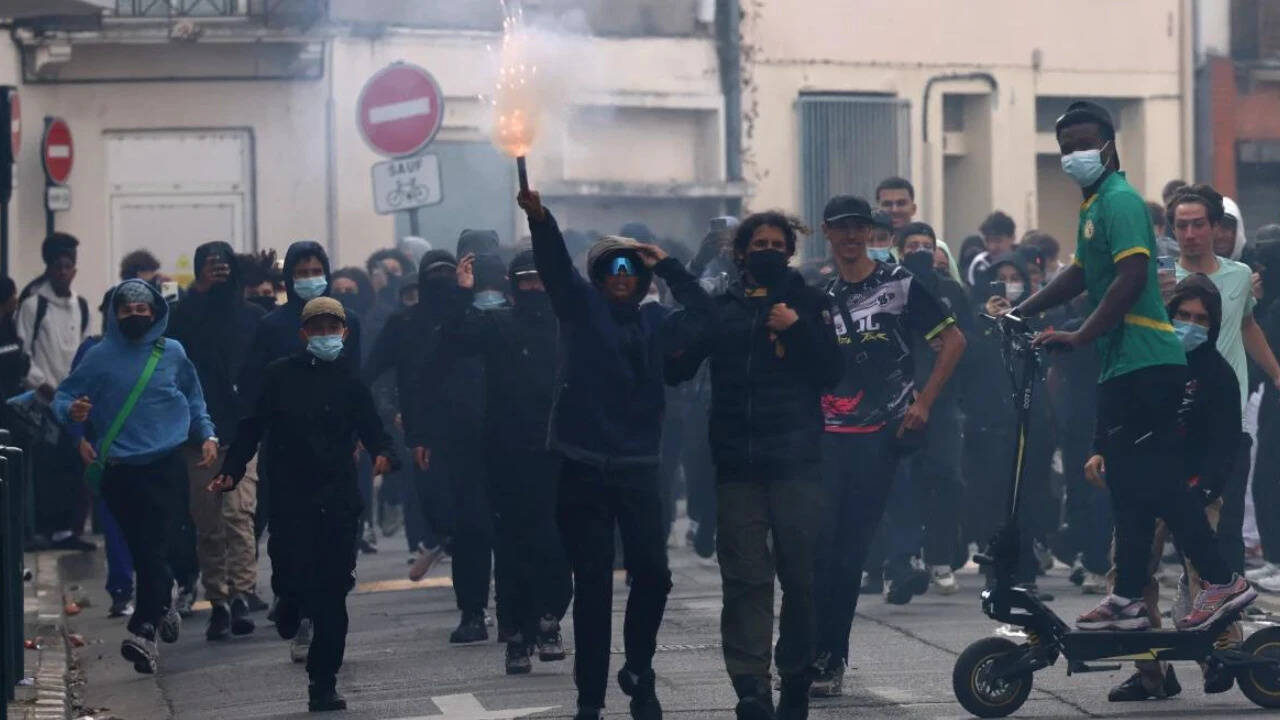
A peaceful stance against dilapidated buildings turned into a nightmare in northern France. A fifteen-year-old student lost his hand after picking up a police stun grenade during mounting student demonstrations. It is a brutal turning point in a movement that has quickly spiraled out of control.
Thousands of teenagers have taken to the streets. They are angry about understaffed classrooms, crumbling infrastructure, and a government pushing through a strict deficit-reduction budget. But as barricades go up, police responses have turned aggressive. The stakes are rising rapidly across the country. If you liked this post, you should check out: this related article.
How Infrastructure Complaints Sparked Nationwide School Closures
It all started small. A single high school in a Paris suburb raised alarms over severe teacher shortages and poor facility conditions. Within days, that localized frustration exploded.
By the second consecutive week of disruptions, roughly four hundred to five hundred high schools were fully or partially closed out of a total of thirty-seven hundred nationwide. Education minister Edouard Geffray noted that twenty-four schools had been vandalized or burned, while nearly eighty teaching staff members suffered injuries. For another angle on this event, see the latest coverage from TIME.
Students aren't just skipping class. They're blockading entrances, burning debris, and clashing directly with law enforcement. In Lille, police and students traded blows. In Toulouse, tear gas filled the air. Central Paris saw fires lit right outside school gates before firefighters rushed in to extinguish them.
The Stun Grenade Incident in Lens
The most devastating moment of the unrest happened in the northern town of Lens. A fifteen-year-old student participating in the protests encountered a police stun grenade on the ground. When he picked it up, it detonated.
Local officials confirmed the teenager lost his hand in the blast, and an immediate investigation has been opened. This single event has amplified tensions, drawing fierce criticism from labor unions and public figures who accuse authorities of using excessive force against minors.
CGT union chief Sophie Binet didn't hold back, stating that union members would attend upcoming demonstrations specifically to protect high school students from what she called an unprecedented police crackdown.
The Broader Economic Pressure Behind the Unrest
You can't separate these student protests from France's broader financial crisis. President Emmanuel Macron's administration is desperately trying to push through a tight deficit-reduction budget for 2027. Economic anxiety is tangible. France's ten-year bond yield briefly topped five percent recently, hitting levels not seen since 2002.
When national budgets shrink, public services feel the squeeze first. Schools bear the brunt of these cuts, leaving students to deal with leaking roofs, outdated materials, and chronic teacher absenteeism. That financial pressure creates a powder keg. Frustrated youth see no other way to get noticed than to disrupt public order.
Police Crackdown and Lost Control
Paris police chief Patrice Faure published an open letter on social media claiming that the original organizers no longer control the demonstrations. He urged students to drop the blockades and stick to peaceful marches.
Security forces have arrested roughly five thousand people, mostly teenagers, since the movement began. Property damage already sits in the tens of millions of euros. Officials now fear that far-left and anarchist factions are hijacking the student protests to cause maximum chaos.
Despite the warnings and the mounting injuries, student unions refuse to back down. They have called for massive nationwide demonstrations, setting the stage for even heavier confrontations with riot police.
If you're following these events, watch how local authorities handle crowd control in the coming days. The government faces a narrow window to de-escalate tensions before public sympathy shifts entirely away from the state and toward the injured students on the barricades.