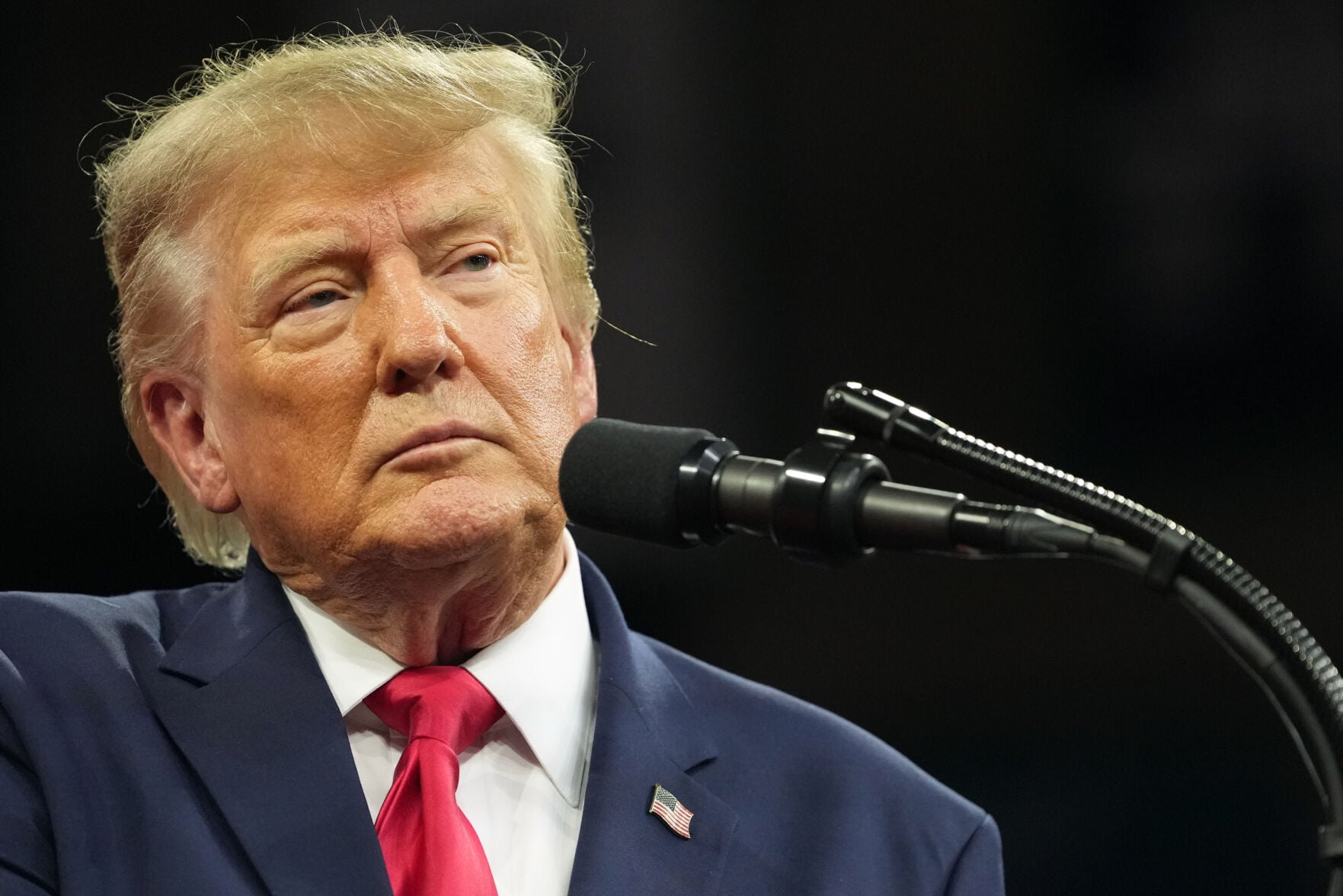
When the G7 announced a coordinated release of 100 million barrels of crude oil and diesel from emergency reserves, government officials praised the move as a bold lifeline for bruised consumers. US diesel had just spiked past $6.30 a gallon, and global energy markets were reeling from intense geopolitical shocks involving the war in Ukraine and conflict in the Middle East. President Donald Trump had ratcheted up pressure on European allies to tap their own reserves or face potential export restrictions, prompting a swift virtual conference led by French officials and the International Energy Agency.
It sounds impressive on paper. A massive injection of energy hitting the market over four months, backed by an immediate frontloaded push of diesel within the first twenty days. But seasoned commodity traders and market analysts aren't popping champagne.
Let's look at why this emergency fix won't solve the underlying problem.
The Scale Problem of 100 Million Barrels
A hundred million barrels sounds like an ocean of fuel until you measure it against global daily consumption. The world burns roughly 100 million barrels of oil every single day. That means the entire G7 emergency package amounts to roughly twenty-four hours of global petroleum demand spread across four months.
It's a drop in the bucket.
When you drain strategic reserves to temporarily artificially inflate supply, you get a short-term psychological dip in futures prices. Wall Street reacts, crude futures slide for a few sessions, and politicians get a soundbite. But once those barrels are burned and gone from government stockpiles, the fundamental supply deficit remains entirely untouched.
Why Diesel Is the Real Crisis
Crude oil grabs all the headlines, but diesel is where the actual economic emergency lies. Diesel powers the freight trucks, cargo ships, tractors, and industrial machinery that keep the global economy functioning. When diesel prices hit record highs—touching $6.52 a gallon in the US shortly before the announcement—every single link in the supply chain becomes instantly more expensive.
The G7 recognized this vulnerability, building a specific focus on refined products into their agreement. Member nations pledged to coordinate refinery maintenance schedules, push facilities to maximize utilization, and avoid slapping export bans on each other.
Yet, refineries cannot run at maximum capacity forever without breaking down. Decades of underinvestment in refining infrastructure, combined with lost capacity from regional conflicts and sanctions on major producers like Russia, mean the global system lacks the physical muscle to process crude into diesel fast enough. Releasing raw crude from a cave doesn't magically turn it into refined diesel without functioning processing plants.
The Illusion of Government Control
Governments love to project total control over commodity prices because panic is bad for election polls. When energy costs spiral, political leaders face immediate backlash from voters watching their grocery and utility bills skyrocket due to transportation surcharges.
Announcing a reserve release is basically the economic equivalent of throwing a bucket of water on a blazing grease fire. It makes a lot of noise, creates temporary smoke, but doesn't change the physics of the fire.
Furthermore, relying on strategic petroleum reserves defeats their original purpose. These emergency stocks were designed to protect nations against sudden, catastrophic supply blockades—like a total closure of critical shipping lanes such as the Strait of Hormuz, where flows dropped drastically below pre-war averages. Using them to paper over routine market imbalances and geopolitical pricing shocks leaves nations dangerously vulnerable if a genuine worst-case scenario unfolds tomorrow.
What Actually Matters Next
If you run a logistics company, a farm, or a manufacturing plant, don't plan your budget around cheap fuel returning anytime soon. The G7's 100 million barrel Band-Aid will provide a fleeting window of softer prices over the next few weeks, but the structural pressures are here to stay.
To protect your bottom line right now, focus on what you can actually control. Lock in fuel contracts if you find favorable hedging rates during the initial price dip following the release. Audit your logistics routes to eliminate idle miles, upgrade fleet efficiency, and pass through legitimate fuel surcharges before margins disappear completely.
Emergency reserves are political theater designed to buy time. Make sure you use that time wisely.