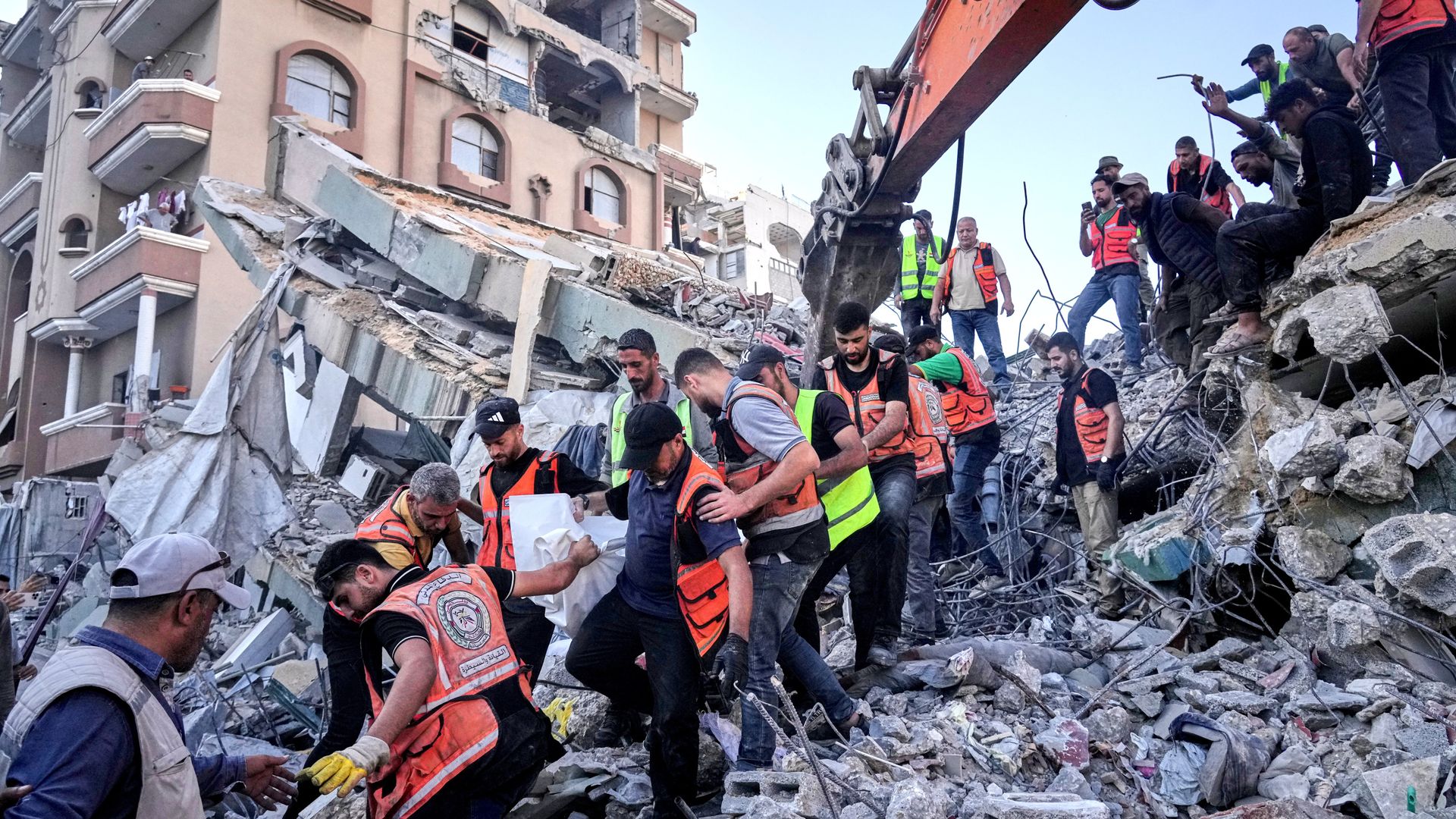
When a six-storey residential block in Gaza City gave way in the middle of the night, it wasn't an act of sudden nature. It was a tragedy that local housing authorities had warned about for months. At least 20 people—including multiple children—lost their lives when the structure, weakened by earlier military strikes, pancaked onto the families sleeping inside and the makeshift tents clustered around its base.
Dozens more remain trapped beneath the debris, and rescue workers have been forced to dig with their bare hands because heavy machinery is scarce. Why are families living in ruins that everyone knows are death traps? The answer is simple and brutal. There are nowhere else to go.
The Desperate Choice Between Rubble and the Streets
Imagine having your home blown apart, surviving month after month of conflict, and then facing a severe shortage of new tents and habitable spaces. That's the reality for roughly 1.9 million displaced people across the Gaza Strip. The United Nations estimates that about 80 percent of all structures in the enclave have suffered damage or total destruction.
Families moved back into the heavily cracked building in the Tal al-Hawa area not because they were foolish, but because staying out in the open during harsh weather conditions isn't an option. Gaza's civil defense agency has repeatedly flagged that roughly 2,000 damaged buildings remain dangerously unstable. Yet, soaring rents, a lack of vacant land, and blocked construction materials leave thousands of civilians with an impossible choice. They take shelter under fractured roofs, hoping the concrete holds out just one more day.
The Rescue Bottleneck
Emergency response efforts following the collapse faced immediate bottlenecks. Civil defense teams initially lacked proper equipment because restrictions on heavy machinery limit what can enter the territory. Israel maintains tight controls over heavy gear, arguing such equipment could be repurposed for militant activities.
Without cranes or mechanical diggers, local volunteers and rescue workers spent crucial hours clawing through concrete slabs by hand. While some heavy machinery from UN agencies and relief groups eventually reached the site, the delay highlights how fragile the humanitarian infrastructure remains. Alessandro Mrakic, head of the UNDP Gaza office, warned that hundreds of other damaged buildings are at imminent risk of collapsing, especially with winter approaching.
What Comes Next
The disaster exposes the total failure of post-ceasefire reconstruction efforts. Since a fragile truce took hold, little to no large-scale rebuilding has happened. Rubble mountains containing millions of tonnes of debris still choke urban neighborhoods, and vital building supplies are heavily restricted.
You can't simply tell people to avoid damaged homes while simultaneously blocking the entry of new shelter materials and heavy clearing equipment. Until actual reconstruction begins and safe housing becomes accessible, the risk of more catastrophic structural failures remains terrifyingly high.
Stop pretending these incidents are isolated anomalies. They are the direct, predictable outcome of a protracted humanitarian deadlock where basic survival forces people into ticking time bombs.