You switch on international news, expecting hard answers on why global markets and political systems wobble. Instead, you get twenty minutes of polished talking heads nodding solemnly at each other. They discuss geopolitical flashpoints, economic shifts, and regional conflicts as if they are neatly organized chess pieces. But real life doesn't follow a tidy script.
When international current affairs programs break down complex stories, they often miss the messy reality on the ground. Analysts love trends, projections, and structural theories. They spend hours debating whether a political party will lose control of a legislative body or how a regional conflict might escalate. Yet, they consistently overlook the random sparks that actually ignite public fury.
Let's look at why standard media analysis falls short when trying to make sense of international developments.
The Illusion of Predictability in Foreign Policy
Experts love a good model. If you listen to international affairs panels, you'll hear frequent references to historical precedents, diplomatic frameworks, and strategic indices. The trouble is that ordinary people don't wake up and decide to protest, riot, or shift their voting habits because an think tank published a white paper.
Take anti-migrant unrest or urban protests. When crowds surge into the streets in places like Durban or European capitals, mainstream news summaries often treat these events as isolated bursts of anger. They interview specialists who rattle off socioeconomic statistics. But they rarely capture the raw, immediate grievances of everyday citizens who feel abandoned by municipal infrastructure and rising costs of living.
When you rely solely on high-level political analysis, you miss the human friction.
Why Media Outlets Miss the Grassroots Reality
There is a massive disconnect between newsroom pundits and street-level reporters. International news production relies heavily on institutional sources: government press releases, NGO reports, and statements from certified political analysts.
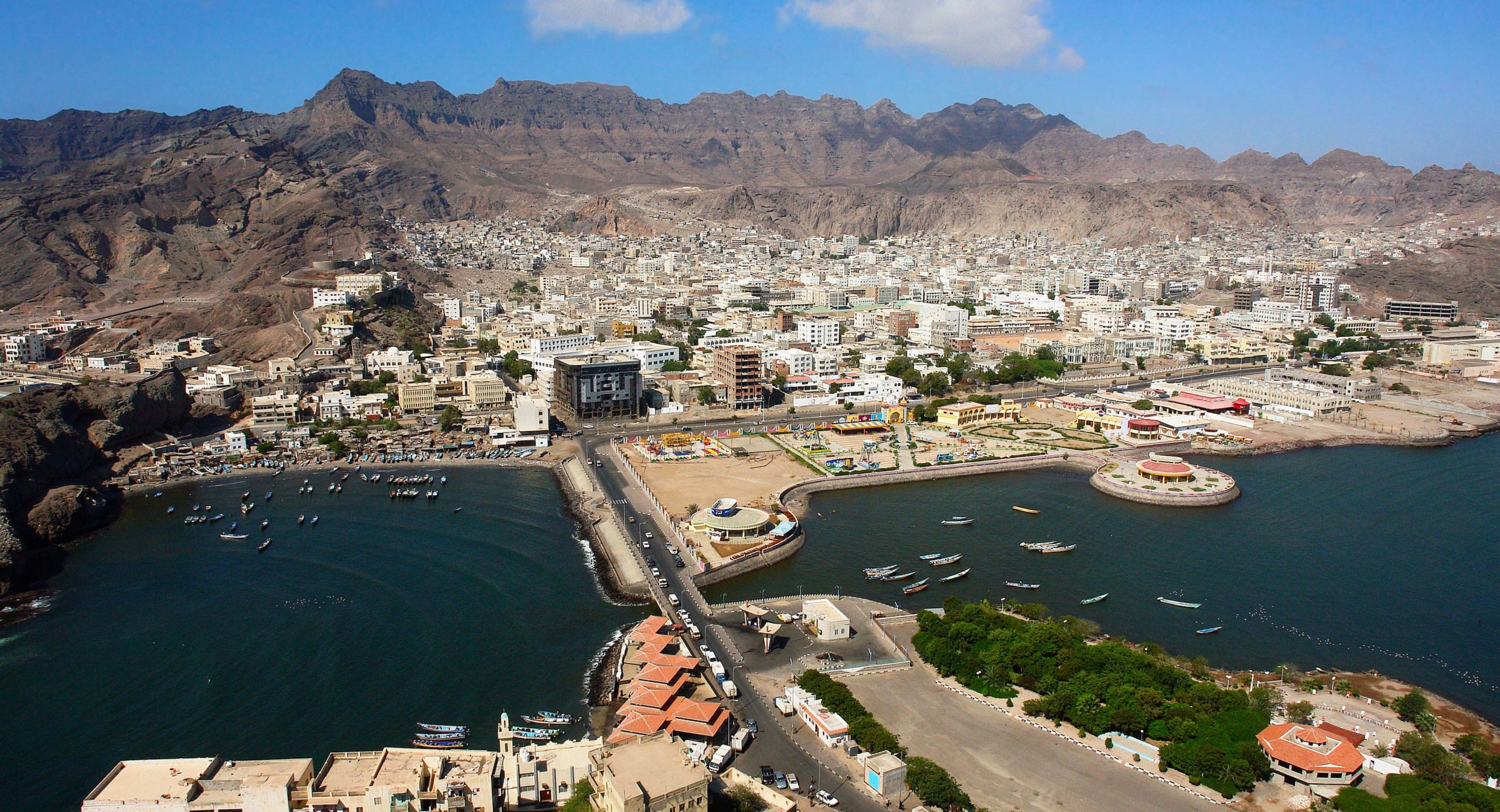
Consider how Yemen or Middle Eastern security dynamics are framed in global bulletins. You get expert commentary from consultants who specialize in regional policy. They provide valuable context about power balances and military movements. However, the voices of local tradespeople, teachers, and families trying to secure daily provisions get flattened into background noise.
This creates a sanitized version of global events. It makes complex crises digestible for a television audience, but it strips away the messy truths that actually drive history forward.
What You Should Look For Instead
If you want to understand what is actually happening in the world, stop treating televised current affairs roundups as gospel. Instead, use them as a starting point.
- Cross-reference mainstream expert opinions with local reporting platforms from the affected regions.
- Pay attention to economic strain indicators—like local food prices and utility costs—rather than just high-level political declarations.
- Ignore the dramatic predictions. Most pundits have zero accountability when their forecasts fail.
Real global change happens in the margins, away from the studio cameras and polished briefs. Keep your skepticism intact, look past the broadcast veneer, and check the ground truth before you form an opinion.