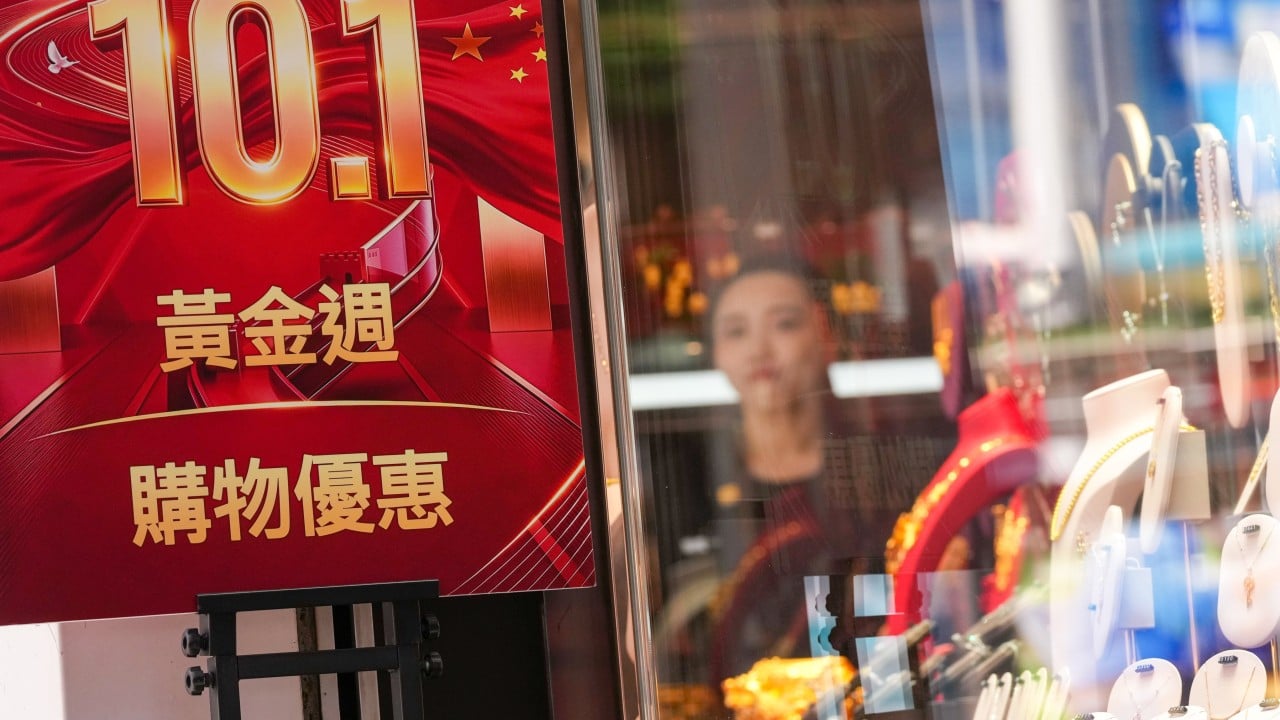
Crowds do not automatically translate to cash registers ringing. Millions of mainland Chinese travellers are descending on Hong Kong for the National Day Golden Week holiday, yet local merchants are bracing for a reality check. Tourism boards project roughly 1.29 million visitors, but trade groups know that foot traffic figures mean very little when wallets remain tightly zipped.
If you think a crowded street in Tsim Sha Tsui guarantees a booming retail season, you are missing the shift in consumer behaviour. Travellers are arriving in droves, but they are spending differently. They want experiences, photos, and budget-friendly street eats rather than luxury shopping sprees. Retailers expecting a repeat of pre-pandemic spending highs are setting themselves up for disappointment.
The Headcount Delusion
Massive tourist numbers make great headlines. Government officials and tourism boards love pointing to millions of arrivals as proof of a thriving economy. But let's look at what is actually happening on the ground.
Visitors are arriving via high-speed rail and border checkpoints, but many are opting for day trips or budget accommodations. Social media platforms like RedNote are packed with guides on how to experience Hong Kong on a shoestring budget. Tourists are hunting for hidden photography spots in remote country parks and urban alleyways rather than lining up outside flagship luxury boutiques.
When people spend their time exploring free hiking trails instead of buying high-end watches, overall retail revenue stays flat. Local trade associations have repeatedly warned that while store traffic might tick upward, actual transaction values remain modest.
Cautious Spending Becomes the New Normal
Economic headwinds across the border have fundamentally changed how consumers view discretionary spending. People are thinking twice before dropping cash on luxury goods or expensive souvenirs. Value has replaced flashiness.
Retailers are caught in the middle. To stay afloat, many shops have had to slash margins or offer steep discounts just to clear inventory. Others are trying to pivot by offering localized digital experiences or partnering with online influencers. But discounting eats into profits, leaving business owners working harder for smaller net returns.
Hong Kong's retail sector can no longer rely on a rising tide lifting all boats. The days of effortless profits from high-spending tour groups are gone.
Where Businesses Are Going Wrong
Many shop owners make the mistake of treating modern tourists the same way they treated visitors a decade ago. They stock up on traditional luxury items and wait for crowds to walk through the door. That passive strategy fails today.
Successful businesses are adapting by rethinking their entire approach. They are focusing on experiential retail—giving customers something unique they can share online, which drives organic visibility. They are also trimming operational fat and optimizing supply chains to protect profit margins against sluggish sales growth.
If you are running a retail business or investing in consumer stocks right now, you need to look past headline visitor arrival numbers. Pay attention to per-capita spending metrics and actual conversion rates instead.
Stop assuming that high foot traffic equals high revenue. Focus on operational efficiency, lean inventory management, and giving modern, budget-conscious consumers a genuine reason to open their wallets.