For over a decade, Google kept its most powerful artificial intelligence hardware locked securely inside its own fortress. If you wanted access to custom Tensor Processing Units, you had to rent space on Google Cloud. No exceptions. But that rigid playbook just shattered. Google is breaking out of its own ecosystem, partnering with rival cloud providers to get its proprietary silicon into the hands of outside enterprises.
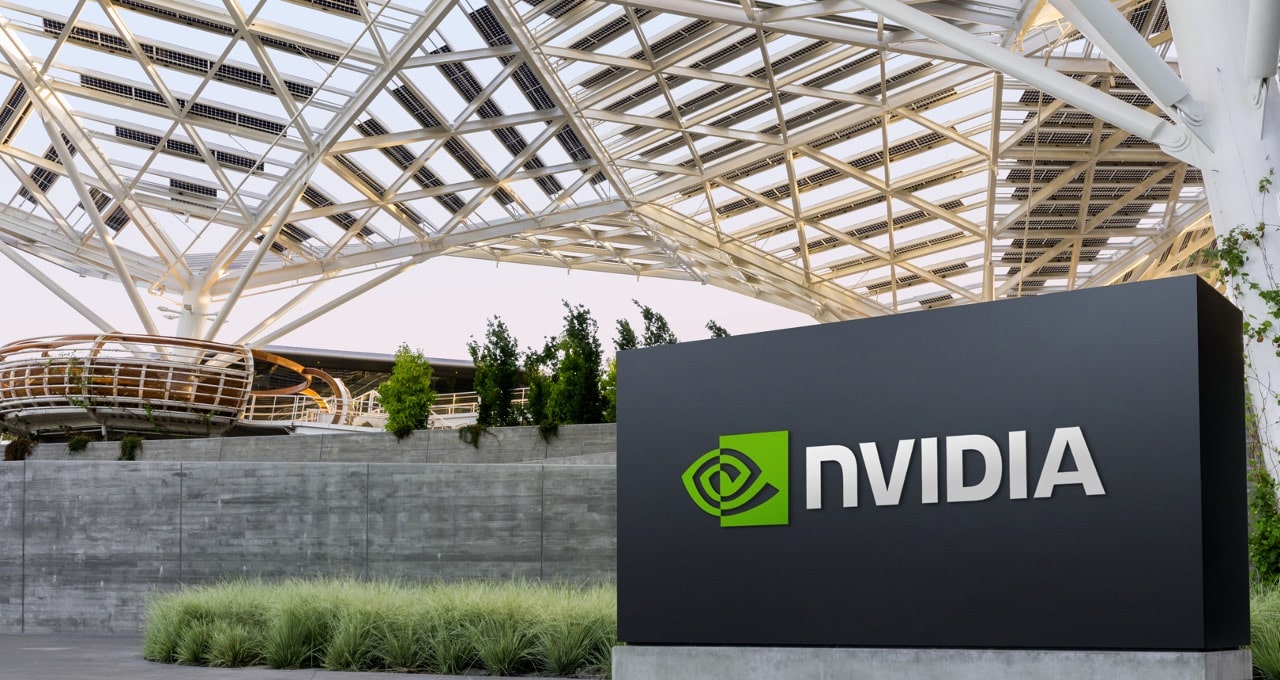
This pivot changes the entire semiconductor chess match. For years, Nvidia sat comfortably on an unassailable throne, dictating terms and prices to an industry desperate for compute. Now, the rules are being rewritten. By offering its chips through alternative hyperscalers like Oracle, Google isn't just trying to move silicon. They're trying to break a monopoly.
The Silicon Strategy Shift
Google started designing custom AI silicon back in 2013, long before the current generative boom made GPUs household items. For a long time, management treated these chips as an internal competitive moat. They powered search rankings, YouTube recommendations, and early internal research models without ever seeing an external data center rack.
That defensive posture stopped making financial sense. Building and running state-of-the-art AI infrastructure costs astronomical sums. To justify those capital expenditures, Google needs scale that its own cloud platform alone cannot provide quickly enough.
By letting competitors host its TPUs, the tech giant opens up massive new streams of hardware revenue. It transforms a proprietary cost center into a commercial product that can compete head-to-head with merchant silicon providers.
Why the Oracle Partnership Changes Everything
The recent announcement bringing Google’s TPUs into Oracle Cloud Infrastructure marks a massive turning point. It represents the first time Google is supplying its specialized processors to another major hyperscaler.
Oracle isn't just dropping these chips into a corner of a warehouse. They are integrating them deeply, building out multi-gigawatt partnerships to handle heavy enterprise workloads. This setup gives corporate buyers something they haven't had before: real choice. If an enterprise prefers Oracle's software stack or data management tools, they no longer have to migrate to Google Cloud just to use Google-designed processing power.
Hardware scarcity has defined the last three years of tech development. When chips are scarce, developers take whatever they can get. By distributing manufacturing and deployment rights through third-party clouds, Google ensures its architecture gets embedded into the infrastructure pipelines of companies that might otherwise default entirely to Nvidia hardware.
What This Means for the Rest of the Industry
Nvidia isn't going away tomorrow. Their chips remain extraordinarily versatile and deeply entrenched in developer workflows. Yet, the absolute dominance of a single hardware vendor creates massive vulnerability for major tech buyers who hate supplier lock-in.
When major players like Oracle, and potentially firms like OpenAI, line up to secure alternative chips, the market shifts from a strict monopoly toward a multi-vendor oligopoly. Buyers want redundancy. They want price competition. Google's new open-door policy feeds that exact demand.
We are moving past the era where a single chip architecture rules every workload. Training massive foundational models requires a different beast than running real-time inference for millions of daily active users. Google's hardware lineup—featuring specialized chips split cleanly between training and inference tasks—fits neatly into this fragmented operational reality.
The Bottom Line for Tech Buyers
If you are an engineering leader architecting infrastructure for the next five years, stop assuming you have to choose between a single hardware vendor and building your own custom silicon from scratch. The cloud landscape is fracturing in ways that favor flexibility. Evaluate your specific performance metrics, look closely at workload-specific pricing, and keep a sharp eye on how third-party cloud availability alters your hardware procurement timeline.