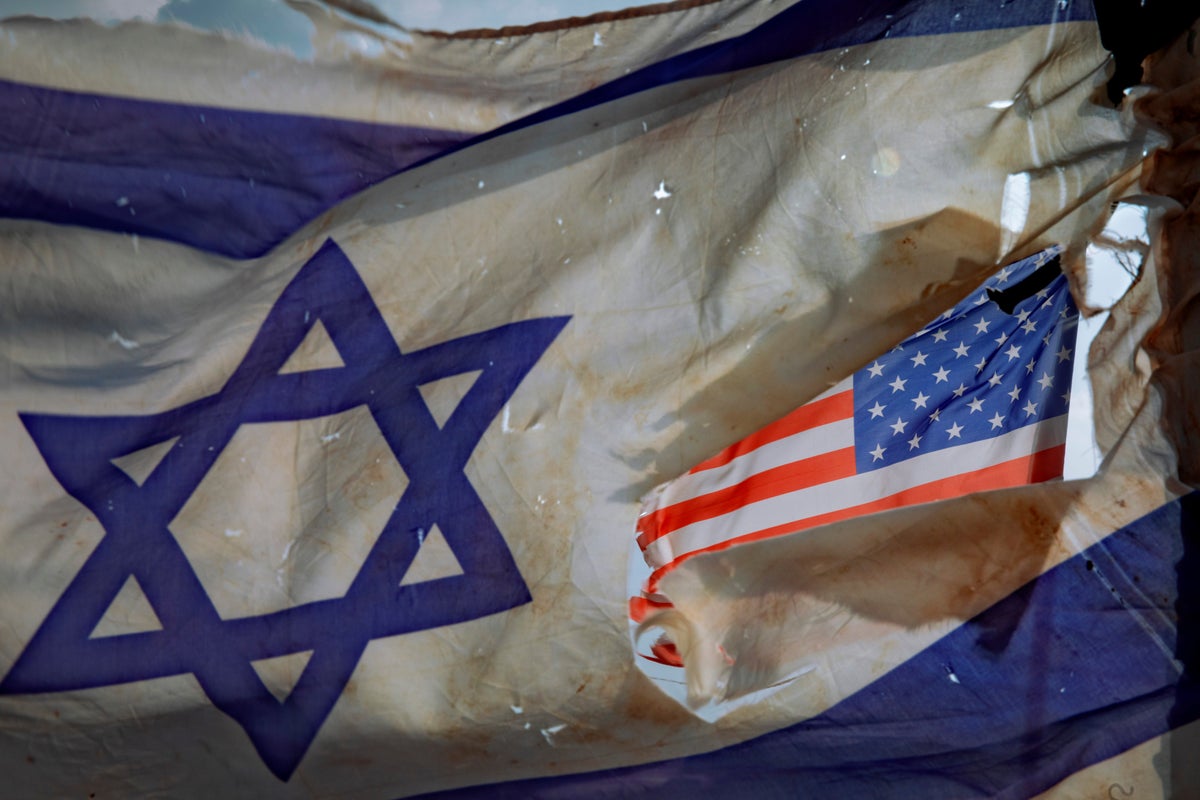
Walk down Rothschild Boulevard in Tel Aviv or grab a coffee near a university campus in Jerusalem, and you will hear the same anxious whisper among politicians, activists, and ordinary citizens. The historical bond holding Israel and younger Jewish Americans together is fraying. For decades, standard political strategy assumed that American Jewish backing for the Jewish state was permanent and unconditional. That assumption is dead.
Recent data from an AP-NORC poll lays out a stark generational fracture. Among religious Jewish adults aged 45 and older in the United States, about half view supporting Israel as a core pillar of their religious identity. Among religious Jews under 45, that number drops to roughly 4 in 10. Instead, younger generations prioritize internal cultural practices, ritual observances like Shabbat, or universal social justice movements. They view the state of Israel through a political lens rather than an existential one.
This shift terrifies many Israelis. People here grew up viewing the state as an absolute insurance policy for a persecuted global diaspora. When young Americans look at Tel Aviv or Jerusalem today, they do not see a fragile sanctuary born from the ashes of the Holocaust. They see a powerful military occupier involved in prolonged conflicts, including the devastating aftermath of the October 7, 2023 attacks and subsequent military campaigns.
The Core Disconnect of Lived Experience
History looks completely different depending on your zip code. Older generations of American Jews carried the direct generational trauma of the Holocaust and the vulnerable early years of Zionism. For them, Israel's survival was a moral imperative that overrode policy disagreements.
Younger Jewish Americans read about those milestones as abstract chapters in a textbook. They came of age during protracted Middle Eastern wars, shifting US administrations, and fierce college campus polarization. When they evaluate modern Israel, their framework is built on progressive human rights standards. Many find those values entirely incompatible with current government policies in Jerusalem.
Polling reflects this wide chasm. Roughly 30 percent of religiously affiliated Jewish adults under 45 believe Israel's military actions in Gaza cross the line into genocide, a charge Israeli leadership fiercely rejects. Among older cohorts, that specific accusation drops significantly.
This disagreement is not just about foreign policy. It strikes at the heart of what it means to be Jewish in the twenty-first century.
When Antisemitism Creates Opposite Reactions
Rising antisemitism across Western democracies creates a bitter paradox. Israelis look at spiking hate crimes in New York, London, and Paris and argue that a strong, sovereign Jewish refuge is more vital than ever. They cannot fathom why diaspora youth do not recognize that danger.
Yet many younger Jewish Americans react in the exact opposite direction. Rather than looking to the Middle East for safety, they lean inward or outward. They find comfort in local community spaces, progressive coalitions, or spiritual revivals at home. For them, fighting domestic prejudice means standing shoulder-to-shoulder with diverse local allies, which often places them in activist circles deeply critical of Israeli state actions.
Organizers of legacy programs like Taglit-Birthright face an uphill battle trying to bridge this gap. Bringing young adults on brief discovery tours used to guarantee an emotional alignment with the land. Now, participants arrive with intense skepticism. Some feel liberated just expressing complex political grievances openly in a Jewish setting, while others reject the trips altogether to avoid being used for political messaging.
What Happens When the Lobbying Pipeline Dries Up?
The geopolitical stakes of this cultural drift are massive. For generations, the American Jewish community served as an elite diplomatic buffer for Israel in Washington, lobbying for military aid, intelligence sharing, and bipartisan protection.
As younger voters move away from reflexive solidarity, traditional lobbying power is fragmenting. Progressive lawmakers on Capitol Hill now feel emboldened to question unconditional military assistance without facing immediate electoral backlash from their local Jewish constituents. This shift isolates Israel diplomatically at a time when regional threats remain high.
Israeli officials are slowly realizing that lecturing diaspora youth does not work. Bureaucratic appeals about loyalty alienate an independent generation that values authenticity and personal agency. Officials in the Ministry of Diaspora Affairs now talk about finding common ground through shared progressive values, climate initiatives, and pluralistic religious partnerships.
Whether those outreach efforts can undo years of deep political alienation remains doubtful. The emotional baseline has shifted permanently.
If Israel and younger Jewish Americans are going to salvage their relationship, both sides have to drop the dogma. Israelis must accept that legitimate criticism of their government is not a rejection of Jewish identity. At the same time, young diaspora critics need to understand that writing off the entire country ignores the actual safety and history of millions of people who call it home. Ignoring this fracture will only turn a family feud into a permanent estrangement.