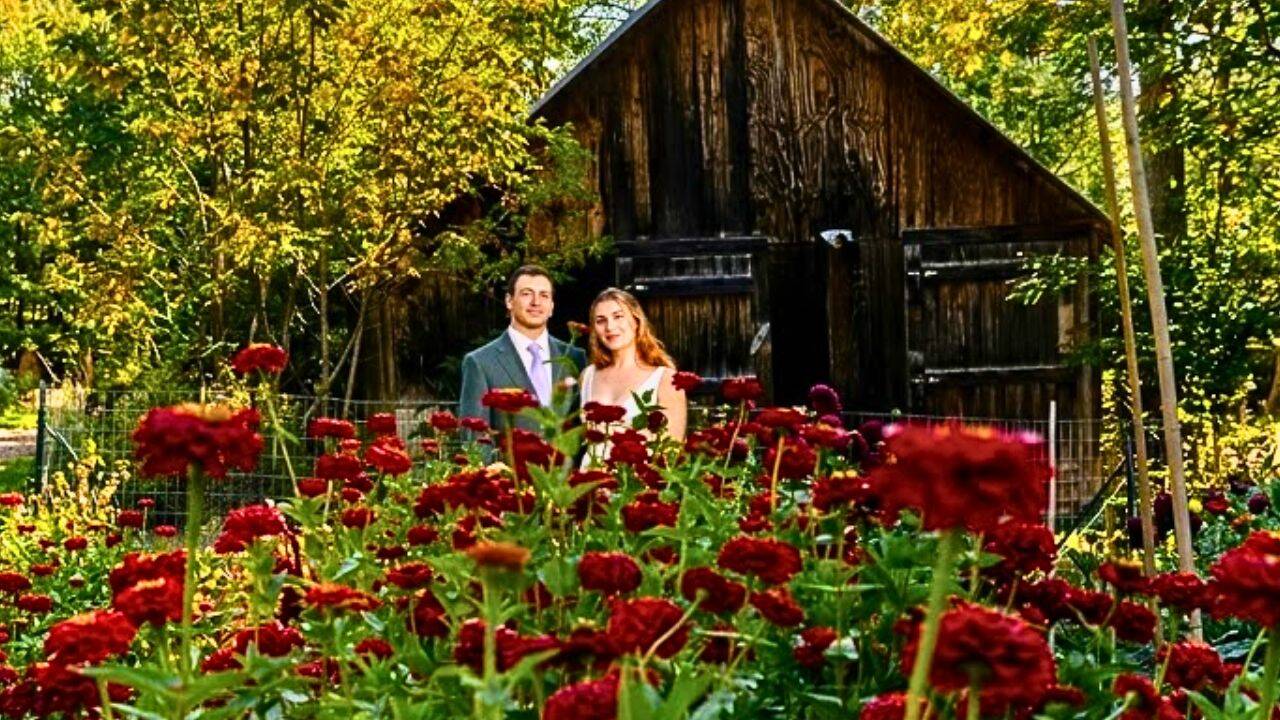
Wedding flowers cost an absolute fortune. When you get quoted five grand for arrangements that will literally die in a matter of hours, you start looking for alternative options. A couple in Maine decided they were done playing that game. They turned a thirty-by-fifty-foot plot of backyard dirt into a micro-flower farm to supply their own celebration.
Most people think growing wedding flowers from scratch is total madness. They picture dead stems, pest-ridden foliage, and a stressed-out bride frantically watering seedlings the night before walking down the aisle. But if you have patience, a sunny patch of land, and a realistic grasp of horticulture, it is entirely possible. It changes the entire vibe of the event.
The Math Behind the Mud
Let us talk about money. Professional floral design carries massive markup fees because you are paying for labor, cold-storage logistics, import shipping, and designer margins. When you source your own wedding flowers, your primary expenses shift from retail product to seeds, soil amendments, and drip irrigation tape.
That thirty-by-fifty-foot plot yields an astonishing volume of stems if managed correctly. You do not buy mature plants. You start with seeds, plugs, and tubers months in advance. Dahlias, zinnias, cosmos, and snapdragons become your best friends. They produce heavily, bounce back after cutting, and handle local weather shifts without throwing a tantrum.
Of course, the hidden cost is time. You trade cash for sweat equity. You are weeding in June when it is ninety degrees outside. You are setting up frost cloth in late spring because a rogue cold snap threatens your precious ranunculus. If your time has a high dollar value, or if gardening fills you with existential dread, stay away from this project. Pay the florist and move on with your life.
Varieties That Actually Survive a Wedding Day
Not every pretty flower belongs in a bouquet. Some drop petals the second you look at them sideways. Others wilt into a sad puddle within twenty minutes of leaving the bucket.
When planning a backyard cutting garden for a specific date, you need heavy hitters. Focus on varieties known for vase life and structural resilience.
- Zinnias: They love brutal summer heat and just keep pumping out blooms the more you cut them.
- Dahlias: They look high-end and dramatic, though they demand staking and rich soil to thrive.
- Cosmos: Airy, delicate-looking, but surprisingly tough once established.
- Eucalyptus or branch greenery: Filler foliage gives bouquets that organic, unstructured shape without costing a dime.
Avoid anything delicate that bruises easily in transit. You want plants that can take a beating on the way to the venue.
The Timing Nightmare No One Warns You About
Mother Nature does not care about your save-the-date cards. This is the ultimate trap of growing your own wedding flowers. If your peak bloom happens three weeks before the ceremony, you are out of luck. If a torrential rainstorm flattens your entire dahlia crop five days prior, you panic.
Commercial growers use greenhouses, shade cloth, and precise heating schedules to force blooms on exact calendar dates. In a backyard garden, you are largely at the mercy of regional weather patterns.
To mitigate this risk, succession planting is mandatory. You plant seeds in staggered waves starting six to eight weeks apart. This spreads out your harvest window. You also plant backup varieties that mature at different speeds.
Harvesting requires strict discipline, too. You cannot cut flowers on the morning of the wedding. You harvest them two or three days early during the coolest hours of dawn. Then you strip the lower foliage, plunge them into deep buckets of clean water, and let them hydrate in a cool, dark garage or basement. This process, known as hardening, gives the stems time to fill with water and stiffen up before arrangement day.
The Mental Shift
Doing this requires a radical acceptance of imperfection. Commercial roses look identical because they are bred for uniformity and pumped full of systemic sprays. Backyard garden flowers look wild, unique, and slightly chaotic. They might have a tiny bug bite on a petal. They might lean slightly to the left.
That is the entire point.
When guests ask where the centerpieces came from, telling them you grew every single stem from seed in your own dirt carries an unmatched sense of satisfaction. It grounds the celebration in something real.
If you want to try this, do not wait until spring. Soil prep starts in the autumn before the wedding year. Test your pH, amend with compost, and map out your sun exposure. Do your research, buy your seeds early, and accept right now that you will get dirt under your fingernails.