You can trace a straight line from distant Middle Eastern flashpoints right down to the dark storefronts of Islamabad and the half-empty sewing floors of Dhaka. When energy chokepoints in the Gulf get squeezed, South Asia feels it instantly.
Right now, regional power grids are buckling. Factories are shutting down early, governments are rationing fuel, and local economies are paying a brutal price for conflicts thousands of miles away.
The Anatomy of a Chokepoint Crisis
Everything runs through narrow shipping lanes. The Strait of Hormuz and the Red Sea are the literal arteries for global oil and liquefied natural gas. When security breaks down there, import-dependent nations in South Asia starve for power.
Look at what happened to pricing. Asian spot prices for liquefied natural gas skyrocketed close to thirty dollars per million British thermal units. Before this latest escalation, those same cargoes hovered around ten dollars.
For developing nations operating on razor-thin margins, that triple-price spike isn't a minor budget adjustment. It is a full-blown financial disaster.
How Bangladesh Took the Hit
Bangladesh is dangerously exposed to these shocks. The country relies heavily on imported LNG to keep the lights on and the industrial engines humming. When shipments from key suppliers like Qatar get delayed or choked off, Dhaka has to scramble for expensive spot-market cargoes.
Most of the time, they simply cannot afford them.
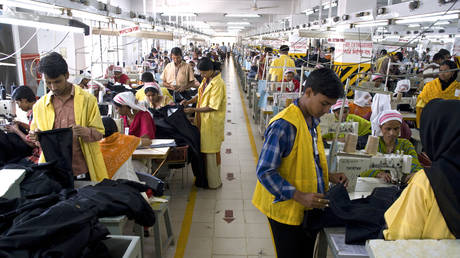
The consequences are bleeding directly into the country's economic backbone: the garment sector. A recent survey by the Bangladesh Knitwear Manufacturers and Exporters Association reveals that over half of local factories have faced order cancellations or reductions due to chronic gas and power outages. More than three-quarters of these production hubs have been forced to partially halt operations.
Margins are evaporating overnight. One desperate apparel producer dropped fifty thousand dollars just on air freight to rush jackets to a French buyer after power cuts stalled local shipping. Factories are burning expensive diesel just to stay alive, killing industrial growth numbers in the process.
Islamabad Scrambles for Austerity
Pakistan is walking an equally dangerous tightrope. Islamabad faces a severe winter gas deficit, needing up to 400 million cubic feet of gas a day while securing only a fraction of the necessary LNG cargoes for September.
To cope with the bleeding, the government brought back painful austerity measures. Markets must shut their doors by nine at night. Restaurants and marriage halls face strict curfews. Official dinners are banned unless foreign dignitaries are in town, and the state has frozen purchases of new government vehicles.
At the same time, Islamabad launched a targeted relief program, offering a modest fuel subsidy of about thirty-six cents per liter on tight quotas for motorcycles, rickshaws, and small cars. It helps micro-entrepreneurs survive, but it is a tiny band-aid on a massive arterial wound.
What Happens Next
The shipping data tells a grim story. Traffic through the Strait of Hormuz has plummeted, with only a handful of commodity vessels making the crossing on routine days compared to historical averages.
If you are running a business or managing supply chains across this region, waiting for things to normalize on their own is a losing strategy. Diversify your power sources where possible. Build buffer stock for winter energy needs immediately. Do not count on spot markets stabilizing anytime soon.