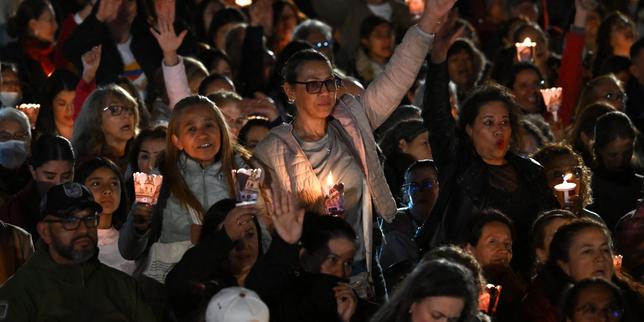
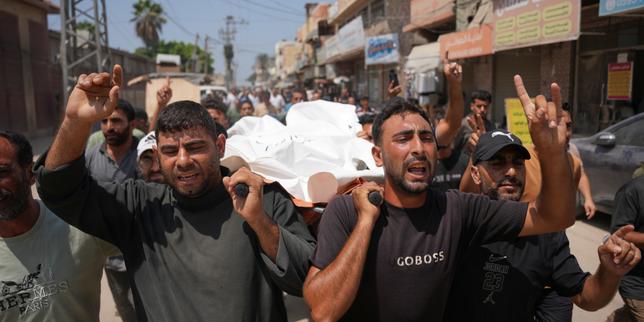
Thirteen hostages walked free. Weeks of terror finally shifted into a fragile relief, but the crisis in Haiti remains entirely unbroken.
A violent armed group operating in the hills above Port-au-Prince recently released six children and seven women after a brutal mass abduction. UNICEF confirmed the release following intense negotiations involving community leaders. Among those freed were three infants under the age of two, a seven-year-old child, and two teenagers.
Yet, this small mercy hides a much darker reality. Over fifty people were originally snatched from Kenscoff, a quiet farming community tucked away in the mountains. Gang members stormed the area, leaving at least 47 dead in a horrific assault. While these thirteen individuals made it home, dozens more remain captive or lost to an ongoing national tragedy.
Inside the Kenscoff Massacre
Kenscoff was supposed to be a refuge. Sitting high above the chaotic streets of the capital, it offered a semblance of peace for farmers and families trying to escape urban violence. That illusion shattered overnight.
Armed groups coordinated a massive raid that shocked even seasoned observers. Mass abductions of this scale are relatively rare compared to single-target kidnappings, which happen daily across the country. Gang leaders like the infamous figures tied to the region—including subordinates operating under powerful bosses like the warlord known as Izo—wield absolute terror as a weapon.
During the standoff, threats flew thick and fast. Gang commanders warned they would execute every single remaining hostage if police forces attempted to mount a rescue operation or push back against their territorial gains. Families were left powerless, caught between brutal criminal syndicates and an overwhelmed state security apparatus.
Why Mass Kidnappings Are Changing the Game
Kidnapping in Haiti used to be transactional. You paid a ransom, and you got your relative back. Sometimes.
Now, the math has changed. Gangs use mass abductions as strategic leverage against entire communities and local law enforcement. When criminals seize fifty people at once, they aren't just looking for quick cash. They are asserting total dominance over rural and suburban corridors that used to be safe havens.
The pressure placed on humanitarian groups like UNICEF is immense. Securing the release of women and children took delicate local negotiations, not state-led military victories. It proves that formal security structures are struggling to project power outside narrow urban zones. When community leaders have to broker deals with armed thugs just to save toddlers, civil order has fractured past the breaking point.
The Human Cost Beyond the Headlines
Numbers on a screen never capture the true horror. Forty-seven dead in a single weekend changes a village forever. Farms are abandoned. Homes are burned. Survivors flee with nothing but the clothes on their backs, joining the hundreds of thousands of internally displaced people wandering a broken nation.
Even for those who return, the physical and psychological toll is devastating. Three toddlers spent days or weeks in the hands of violent criminals. Mothers faced impossible choices. Medical infrastructure in these rural hills is virtually nonexistent, meaning physical trauma goes untreated long after the television cameras leave.
What Comes Next for the Crisis
International security missions have tried to turn the tide, but local armed groups continue to adapt, outmaneuver, and terrorize the civilian population. Real change requires dismantling the financial and logistical pipelines feeding these syndicates. Until local police forces receive sustained, functional backing—and until the supply of illegal weapons slows to a trickle—these cycles of slaughter and selective release will repeat.
Thirteen people are safe today. Dozens more are still waiting in the dark. Don't look away from what is happening in the hills of Kenscoff. Stay informed, support boots-on-the-ground humanitarian networks providing real relief, and hold international policy makers accountable for effective action.