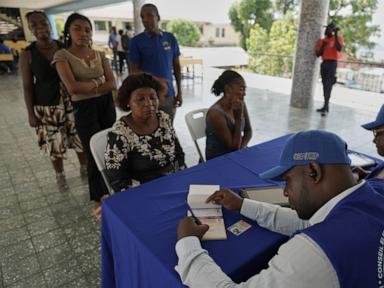
Voter registration has finally begun in Haiti's violent capital. It is a monumental step for a nation that hasn't seen general elections in more than a decade. But let's be honest about the reality on the ground.
Armed gangs still control an estimated 70% of Port-au-Prince. Millions have been displaced. Yet, the government is pushing forward with a planned first round of elections on December 13. Can you actually hold a democratic vote when large swaths of the country remain under armed menace? That is the core question facing Haitians today.
The Reality of Voter Registration Under Siege
The government recently opened 10 registration centers across Port-au-Prince. They placed them in neighborhoods deemed generally safe. Even so, the turnout has been cautious and sparse.
At a registration center in Laboule, only three people signed up within the first hour. People are terrified. Construction worker Vadley Bernadel told reporters it might be his first time voting, expressing a desperate need for a leader with vision. But other citizens, like lawyer Francky Cavetan, refuse to participate because the risk is simply too high.
"The challenge for the authorities right now is to organize elections without having defeated the gangs and to minimize their influence on the elections as much as possible." — Diego Da Rin, International Crisis Group
Why the Timing Is So Controversial
Haiti hasn't had a president since Jovenel Moïse was killed in July 2021. The country has run through a series of transitions and an unelected interim leadership. Pressure is mounting internationally and domestically to restore constitutional order.
However, security experts point out a grim truth. Gangs have historically served as tools for powerful political elites. Armed groups intimidate voters, rig outcomes, and destroy ballot boxes when their preferred candidates face losing.
More than 50% of Haiti's electorate lives in regions heavily impacted by violence, including Port-au-Prince, the Central province, and Artibonite. If major supply and transit roads remain blocked by criminals, physical access to voting booths becomes an impossible dream for hundreds of thousands of citizens.
What Happens Next
Jacques Desrosiers, president of Haiti's Provisional Electoral Council, plans to open more centers, including 20 in Pétion-Ville. Whether expansion can happen safely across wider territories depends entirely on the police and the U.N.-backed security mission making deeper inroads.
Voters like tap-tap driver Victor Valensky are caught in the middle. They want change, but they want to survive.
Security must come before ballots, or the upcoming election risks becoming an exercise in exclusion.