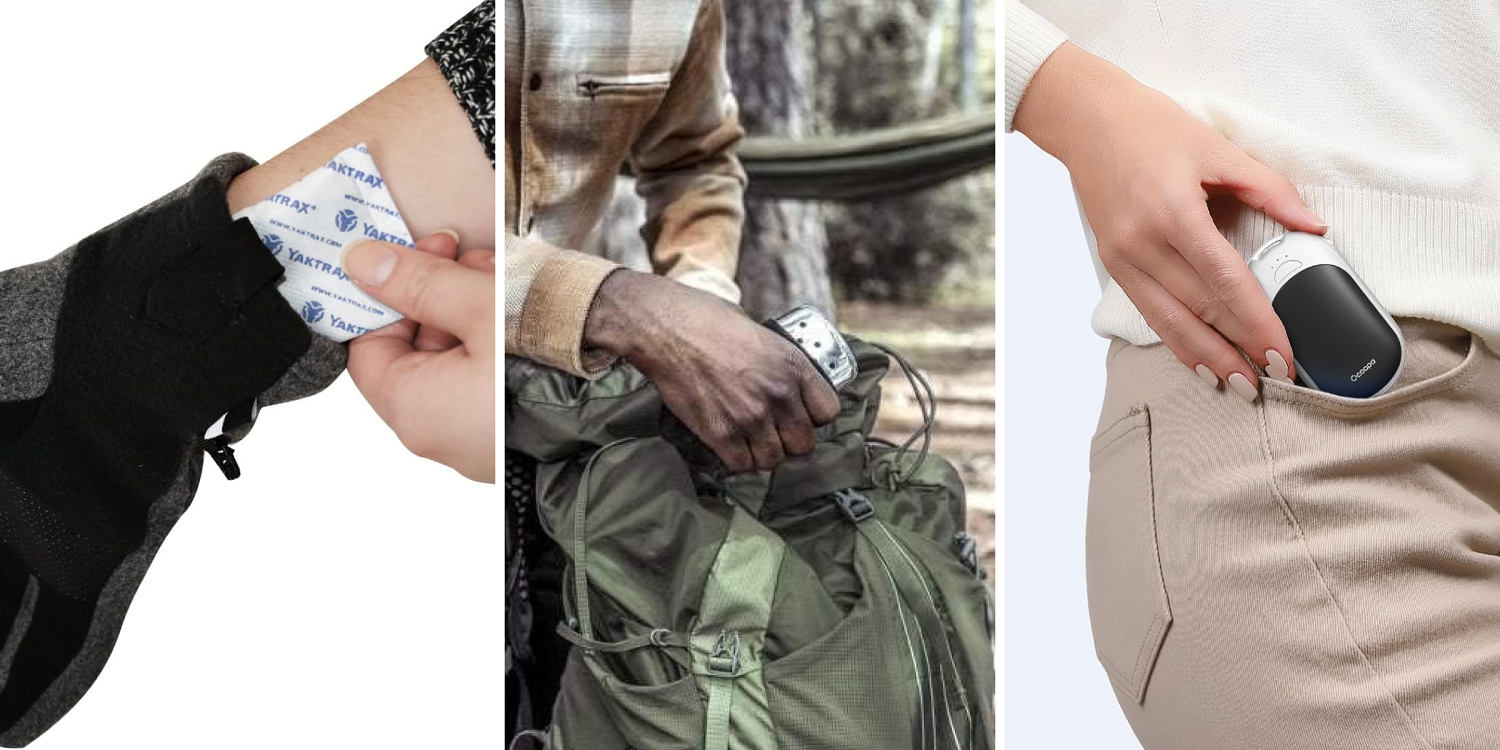
Waiting for a delayed train in freezing wind or scraping frost off a windshield at 7:00 AM turns any routine commute into an endurance test. Once your fingers go numb, your whole body follows. You can pile on wool layers and thick scarves, but if your extremities lack proper thermal support, the cold cuts right through you. Hand warmers aren't just for backcountry ski trips or remote mountain peaks anymore. They've quietly become essential gear for anyone trying to survive a brutal urban winter commute.
Choosing the right portable heat source means looking past flashy marketing and understanding how different chemical and electrical systems actually perform when the temperature drops below freezing.
The Reality of Air-Activated Disposables
Air-activated warmers rely on a simple exothermic reaction. Iron powder, salt, water, and activated charcoal mix together inside a breathable pouch. Once you tear open the outer packaging, oxygen enters and triggers oxidation, generating steady heat for anywhere from eight to eighteen hours.
Products like HotHands dominate commuter bags because they're cheap, incredibly light, and require zero preparation. You drop a pair into your coat pockets before stepping out the door, and they'll usually stay warm past your afternoon trip home.
The catch? They aren't instantaneous. Chemical warmers often take fifteen to thirty minutes to reach peak temperature. If you open them right as you step into a sub-zero breeze, you'll spend the first ten minutes of your walk shivering while the chemical reaction kicks into gear. They also create environmental waste if you buy single-use packs by the box. Brands like Ignik try to solve the waste issue with biodegradable pouches and resealable storage bags that let you pause the reaction by cutting off oxygen, saving the remaining heat hours for later use.
Rechargeable Electric Warmers and Heated Gear
If you hate buying disposable packets or need instant, controllable heat, rechargeable electric warmers and heated mittens change the game entirely.
Electric models use internal lithium-ion batteries to radiate warmth at the push of a button. Most units let you cycle through low, medium, and high settings depending on how biting the wind feels. A major perk of USB rechargeable hand warmers is dual functionality—many double as emergency power banks to keep your phone alive in freezing temperatures that drain smartphone batteries fast.
Heated gloves and mittens, like heavy-duty options from brands such as Seirus, take this a step further by weaving heating elements directly across the back of the hand and fingers. They cost significantly more upfront, but if you ride a bicycle to work or stand waiting for an express bus for twenty minutes, built-in glove heat beats fumbling with loose warmers every single time.
The downside is battery management. You have to remember to plug them in overnight. If you forget, you're heading out with a dead battery and zero auxiliary warmth.
Fluid-Fueled Catalytic Warmers
Catalytic hand warmers use lighter fluid to produce flameless heat through a chemical oxidation process over a platinum-coated glass fiber burner. Classic models from Zippo remain popular among outdoor workers and commuters who want long-lasting, heavy-duty warmth without relying on batteries or disposable plastic packets.
They pump out intense, consistent heat for up to twelve hours on a single fill cup of fluid. However, they require careful handling. You need to carry a separate bottle of lighter fluid, carefully fill the internal reservoir without spilling, and apply an open flame to ignite the catalyst safely. They also need proper ventilation to operate correctly, making them less ideal for stuffing deep into tight, restricted glove fingers compared to slim air-activated packs.
Matching the Warmer to Your Routine
Different commutes demand entirely different solutions.
If you walk ten minutes to a subway station, grab a cheap box of air-activated warmers and toss them in your coat pockets. You don't need complicated tech for a short blast of cold air.
If you spend an hour waiting on open railway platforms, cycling through snow, or walking miles across a sprawling corporate campus, invest in a USB rechargeable unit or heated gloves. You get adjustable heat levels, immediate warmth on demand, and long-term savings over buying single-use packs all winter long.
Keep a spare pack of disposables in your car glove box or backpack as an emergency backup. Cold weather drains batteries and catches everyone off guard eventually. Being prepared means your winter commute stops being an ordeal and just becomes part of the day.