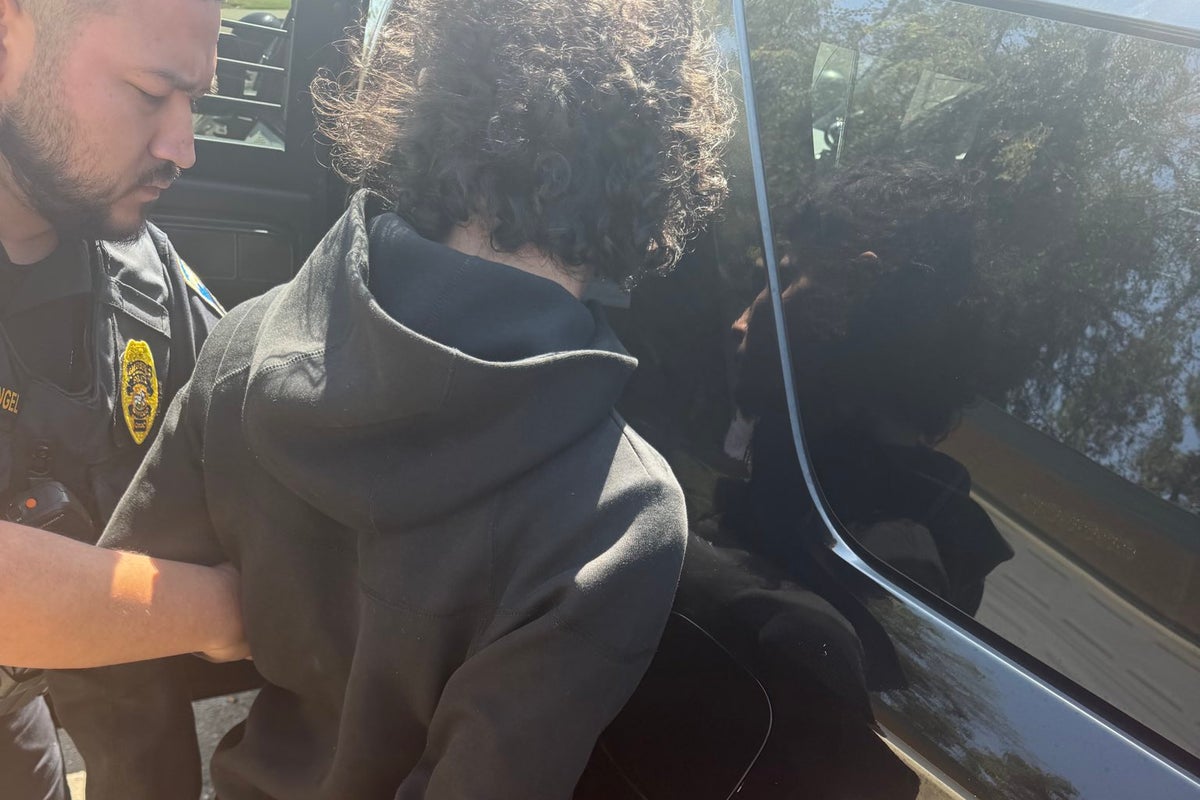
Friday night lights turned pitch black in Bakersfield when a 15-year-old boy allegedly opened fire at a high school football game, killing a 17-year-old peer.
If you think school sports events are safe havens away from community violence, reality is hitting hard. The fatal shooting at Independence High School during a matchup against rival Centennial High exposed a grim truth. Teenagers are bringing street disputes straight into crowded family stadiums. Seven or eight gunshots echoed through the bleachers around 8 p.m. Panic replaced school spirit instantly.
Inside the Bakersfield Tragedy
The Bakersfield Police Department moved fast. Investigators arrested the 15-year-old suspect, slapping him with murder and criminal street gang participation charges. Police officials confirmed that the victim and the shooter knew each other. This was personal. It wasn't a random stray bullet or a chaotic accident.
The 17-year-old victim was rushed to Kern Medical. Doctors couldn't save him. Unconfirmed local reports identified him as a former high school quarterback, adding an extra layer of heartbreak to a community already reeling.
When gunfire rings out over the sound of marching bands and cheering parents, everything changes.
Why Stadium Security Is Failing Teenagers
Schools rely on open gates and community access. Friday night games are supposed to be cornerstones of local culture. But open access means weapons slip past checkpoints. Metal detectors are rare at standard regular-season high school games. Security guards are often outnumbered by hundreds of screaming, distracted teenagers.
When a fight broke out near the field, it escalated from shoving to shooting in seconds. There was no buffer.
Look at what school districts are facing now. Kern High School District Superintendent Dr. Michael Zulfa pointed out the obvious emotional toll. Grief counselors are walking onto campus today. Security protocols are under intense scrutiny. Yet, locking down stadiums completely defeats the purpose of community sports.
The Broader Pattern of Youth Gang Violence
This isn't an isolated incident confined to Central California. Across the state, local law enforcement agencies deal with youth gang dynamics bleeding into public spaces. Young kids are getting pulled into organized crews earlier than ever. They carry weapons to school functions because they feel unsafe or because retaliation demands it.
When a 15-year-old is looking at a murder charge, two families are destroyed. Two young lives are erased from a normal future. Police departments repeat the same tired statements after every tragedy, emphasizing community strength, but parents are left wondering if they should keep their kids home on Friday nights.
Practical Steps for Parents and Communities
If you have kids playing or attending sports events in high schools, you need to pay attention to warning signs. Peer groups matter. Behavioral shifts matter.
- Watch for sudden changes in your teenager's circle or social media activity.
- Talk openly about conflict resolution before disputes turn physical.
- Demand transparency from local school boards regarding stadium safety measures.
If your local school lacks clear entry screening or bag checks, speak up at the next board meeting. Do not wait for tragedy to strike your own zip code.


