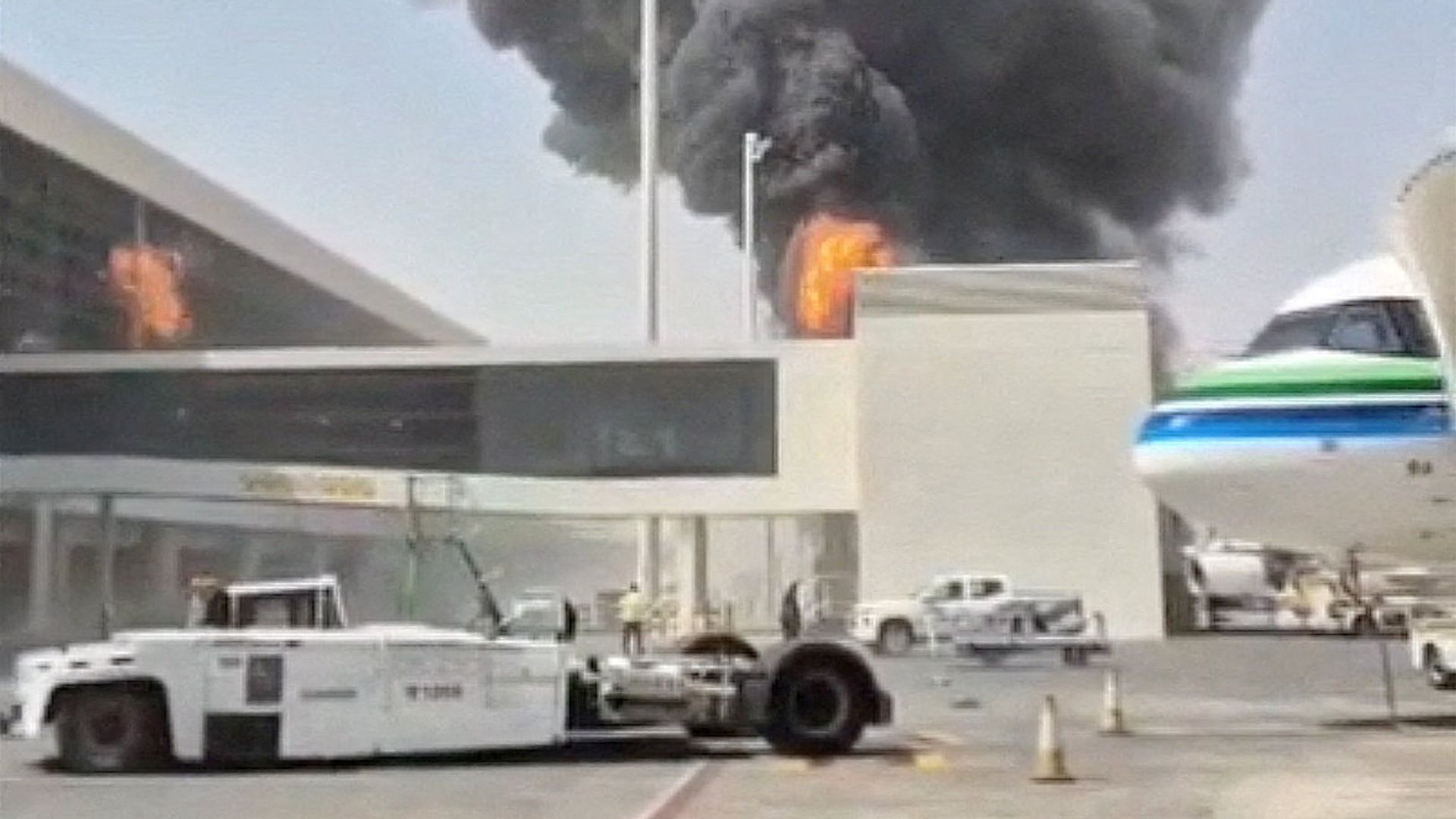
Volcanic ash doesn't care about your holiday itinerary. When Mount Etna roars to life and triggers a red aviation warning, paradise transforms into a logistical puzzle very quickly. Thousands of travelers found themselves grounded when Europe's most active volcano decided to disrupt peak summer travel, turning sleepy seaside towns into unexpected holding pens.
If you're watching the news and wondering what it's actually like on the ground when Sicily's skies close down, let's look past the dramatic headlines. Being stuck near an active volcano isn't a Hollywood disaster movie, but it is a masterclass in travel frustration. Learn more on a related topic: this related article.
The Reality of a Volcanic Ground Stop
Catania-Fontanarossa Airport handles massive volumes of traffic, serving as the primary gateway to eastern Sicily. When Mount Etna starts pumping high columns of ash into the stratosphere, aviation authorities face a binary choice: close the airspace or risk catastrophic jet engine failure. Volcanic glass and ash melt inside hot jet turbines, resolidifying on compressor blades and instantly stalling engines. Grounding flights is mandatory, non-negotiable, and swift.
For tourists sipping espresso in nearby coastal towns, the first sign of trouble isn't an earth-shattering explosion. It's an eerie layer of gritty grey dust settling on rental cars and outdoor cafe tables, followed rapidly by a cascade of flight cancellation text messages. More journalism by Travel + Leisure delves into similar views on the subject.
Why the Ripple Effect Hits So Hard
Around 700 flights faced cancellation or severe diversion during the recent peak eruption surge. When a hub like Catania shuts down, the chaos spreads across European airspace instantly.
Alternative airports like Palermo, Comiso, and Trapani absorb what they can, but Sicily's geography works against stranded tourists. Driving from Catania across the island to Palermo takes hours over winding mountain routes. Rental cars vanish within minutes of an announcement, and local hotel rooms book out completely as thousands of passengers scramble for alternative shelter.
Common Misconceptions About Volcanic Disruptions
- "You can just hop on a train off the island." Sicily is separated by the Strait of Messina. While train ferries exist, rail networks across the island are famously sluggish and get overwhelmed immediately during major crises.
- "The local towns are buried in lava." Etna's recent phases are primarily explosive ash events rather than slow-moving rivers of molten rock consuming coastal villages. Towns like Taormina or Giardini Naxos remain structurally untouched, dealing instead with falling ash, flight boards stamped with red cancellation notices, and closed airspace.
- "Airlines will sort out your hotel instantly." Under regulations like EU261, carriers have obligations, but when thousands of seats vanish simultaneously, customer service desks become overwhelmed war zones. Relying purely on airline reps leaves you waiting hours in endless queues.
Practical Survival Steps If You Get Grounded
If you find yourself trapped in a Mediterranean coastal town because an eruption shut down local airspace, you need to move faster than the crowd.
First, ignore the airline ticket counter queues at the airport. Call the airline's international support line or use their mobile app while sitting in a quiet cafe. Apps process rebookings faster than stressed gate agents.
Second, look sideways at transportation. If Catania is dead, check flights out of Palermo or Comiso, and immediately book private transfers or long-distance buses if train tickets are sold out.
Third, check your travel insurance policy immediately. Volcanic eruptions usually qualify as natural disasters, meaning standard trip interruption clauses apply, but documentation is everything. Keep every receipt for meals, extended lodging, and alternative transport.
Mount Etna has been doing this for half a million years. Volcanoes operate on geological time, completely ignoring summer holidays and flight schedules. Respect the mountain, keep an eye on real-time ash tracking maps, and always have a backup exit strategy ready when traveling near active tectonic hotspots.