Elections end. Headlines fade. But personal accountability doesn't just disappear because someone receives a presidential pardon.
When Bryan Betancur walked free following the blanket pardons issued for January 6 defendants, it wasn't the end of his encounters with the justice system. Instead, it was merely an intermission. Months later, Betancur found himself back behind bars, accused of stalking, harassment, and an unsettling string of public transit incidents involving unwanted physical contact.
The Reality of Recidivism After Executive Clemency
Public debate usually stops the moment a high-profile pardon is signed. Supporters celebrate vindication, critics decry political impunity, and the news cycle moves on. Real life, however, keeps turning. Betancur's subsequent arrests expose the glaring blind spot in blanket legal amnesties: court orders and pardons don't rewrite behavioral patterns.
Before his involvement in the 2021 U.S. Capitol riot—where court documents note he climbed scaffolding and helped pass furniture out of congressional windows while wearing a Proud Boys shirt—Betancur was already on GPS monitoring for a burglary charge. He served four months in federal prison after taking a plea deal before receiving his pardon.
Yet, freedom didn't mean reform.
From Capitol Scaffolding to Metro Trains
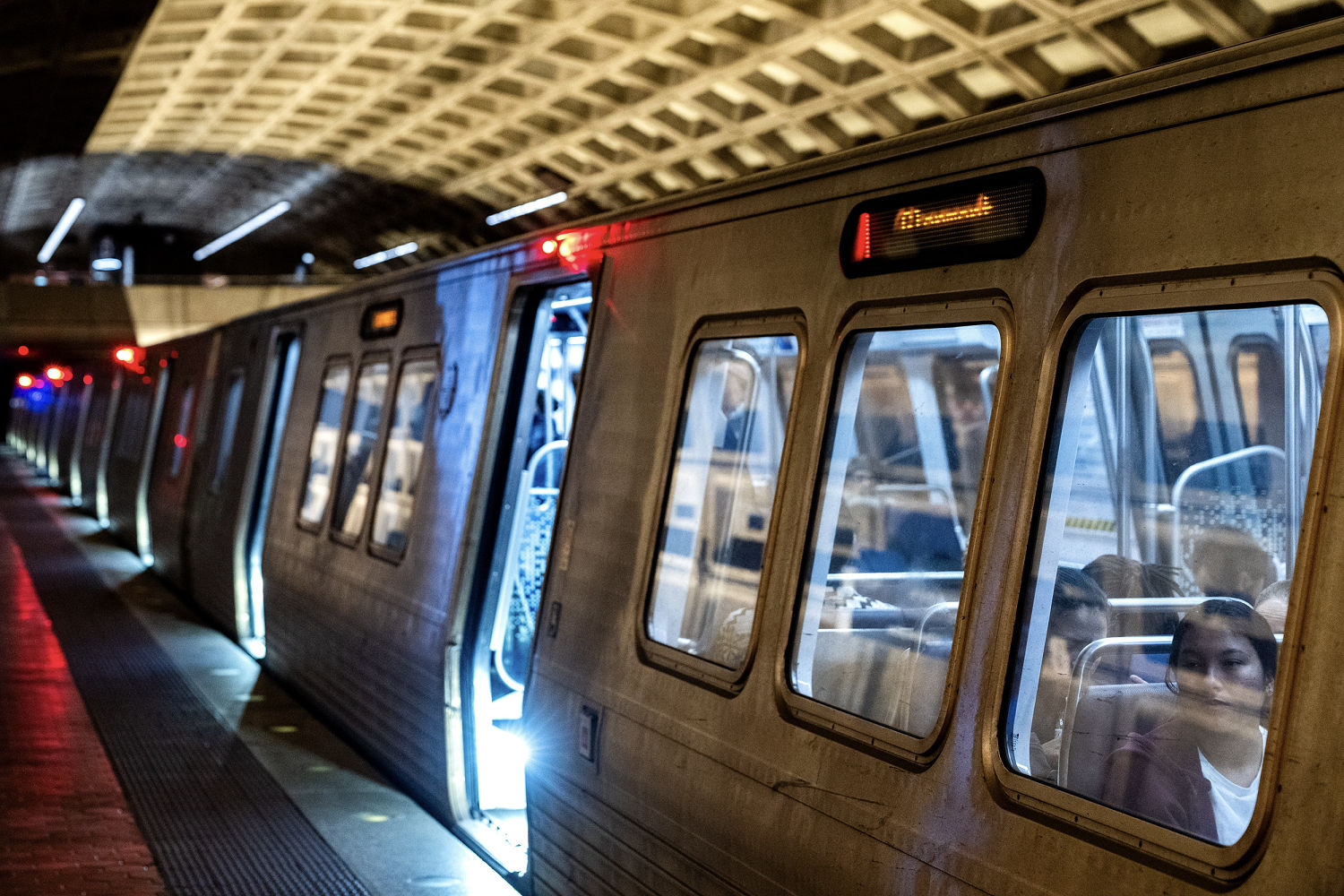
By early 2026, Betancur was back in the headlines for an entirely different kind of public disturbance. Transit police investigated him after videos surfaced on social media showing a man live-streaming himself walking up behind unsuspecting women on the Washington D.C. Metro and stroking their hair.
Arrested in March 2026, he faced misdemeanor assault and battery charges. Released initially on GPS monitoring and strict stay-away orders, Betancur didn't stay out of trouble for long. Prosecutors quickly moved to revoke his bond after uncovering a persistent pattern of harassment directed at a D.C. activist. Court records detailed months of unwanted digital messages, public stalking outside the Supreme Court, and aggressive confrontations.
By April, a judge ordered him held without bond. Trials face endless delays over digital discovery hurdles and subpoenaed social media records, leaving defendants like Betancur cycling through pre-trial detention while victims wait for closure.
Why This Story Matters Beyond the Politics
It's easy to view this through a partisan lens. One side focuses on the initial federal offense and the controversy of executive pardons. The other looks at systemic overreach. But strip away the politics, and you're left with a straightforward public safety issue. Repeat offenders rarely change their behavior simply because a legal slate is wiped clean by executive order.
When systemic checks fail or get upended by broad political pardons, local law enforcement and community members bear the brunt of the fallout. Accountability isn't just about federal charges or political symbolism. It's about everyday safety on subway platforms and city streets.
Stop looking at pardons as magic wands that fix character flaws. Pay attention to the local court dockets instead.


