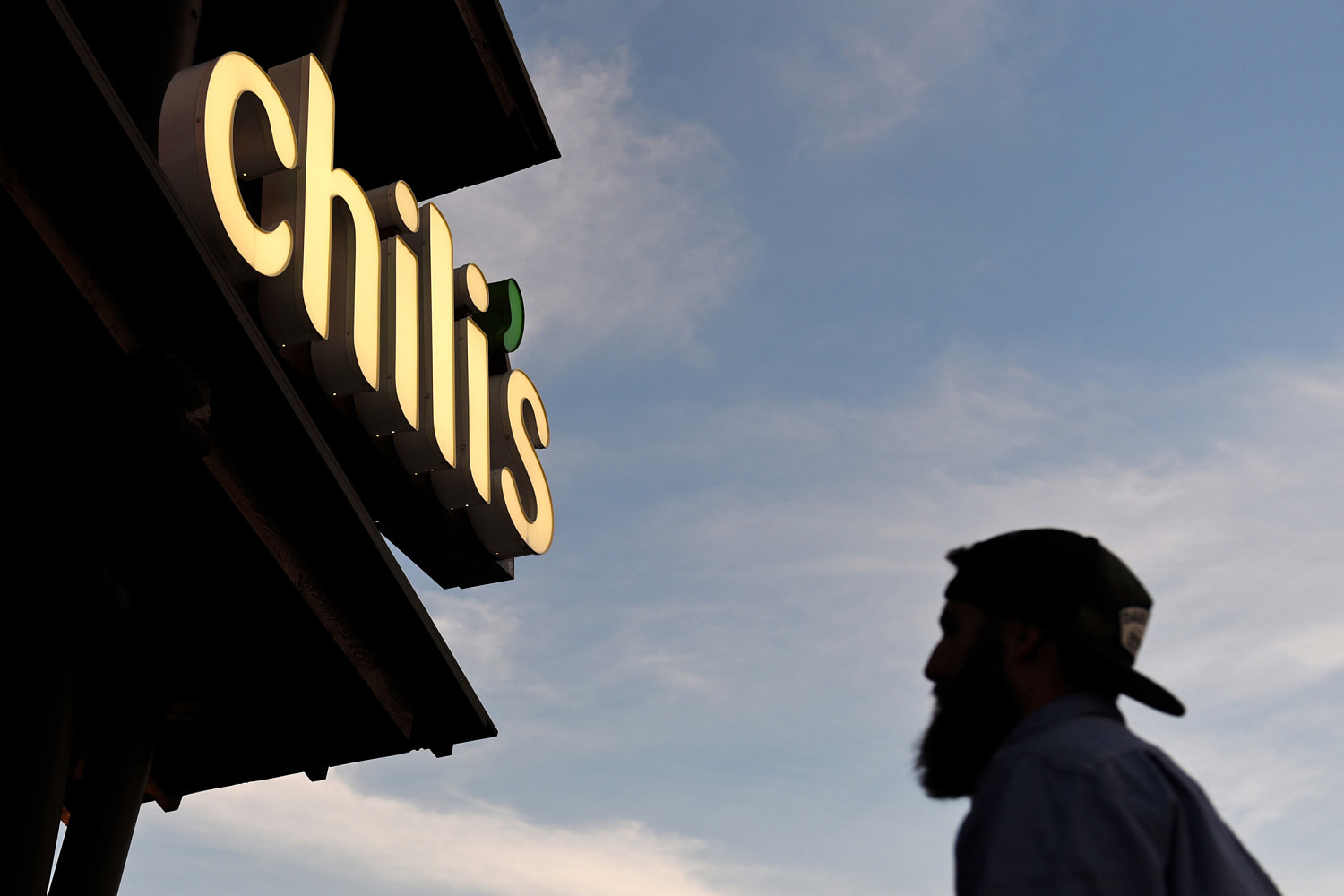
You expect a casual night out for Tex-Mex and a drink to go smoothly. You don't expect to ingest industrial-strength cleaning chemicals. But that is exactly what happened to unsuspecting diners at a Chili's Grill & Bar in Forest City, North Carolina.
A routine happy hour turned into a hazardous materials emergency when an industrial degreaser was mistaken for sugar and dumped into a batch of cocktail mix. The incident highlights terrifying safety lapses in commercial kitchens that go far beyond a simple mix-up. It exposes how loose handling of hazardous substances creates immediate risks for the public.
The Chain of Errors That Led to Chemical Burns
The breakdown didn't happen overnight. According to findings from the Foothills Health District, a contracted worker power washing the restaurant's exterior handed an employee a granulated degreasing chemical on a Monday morning.
Instead of keeping the product in its original commercial container or storing it securely with maintenance supplies, an employee transferred the white powder into an unlabeled container. Then, they left it near the bar area.
That single choice broke basic commercial kitchen safety protocols. Unlabeled containers are ticking time bombs in any food service environment.
Two days later, during preparations for the lunch rush, another staff member encountered the container. Believing the toxic powder was sugar meant for the bar, they incorporated it into the margarita supply.
The Immediate Aftermath
When the affected customers took their first sips, they immediately experienced severe discomfort, burning sensations, and injuries in and around their mouths. They alerted restaurant staff right away before leaving to seek urgent medical care.
The danger wasn't limited to the patrons. Two Chili's employees actually tasted the mixture themselves to figure out what went wrong, subsequently experiencing the exact same chemical burn symptoms.
Local health officials moved quickly once the reports surfaced. The Foothills Health District launched a formal investigation and suspended the restaurant's food service permit. Inspectors required a complete scrubbing and sanitization of every piece of equipment and surface touched by the tainted batch before allowing the location to reopen.
Why Commercial Kitchen Protocols Fail
People assume strict oversight governs restaurant back-of-house operations. Regulatory agencies like OSHA and local health departments maintain rigorous guidelines for chemical storage. Cleaning products must remain entirely separate from food inventory, clearly labeled, and stored in designated custodial closets.
Yet, complacency creeps into fast-paced restaurant environments. When outside contractors arrive to power wash exteriors or perform maintenance, lines of communication blur. A busy staff member handling multiple tasks at once can easily misinterpret a loose container sitting on a counter.
Standard commercial safety training teaches that any chemical transferred out of its original packaging must be labeled immediately with its exact contents. When shortcuts happen, disaster follows.
Preventative Steps for Food Service Safety
Protecting diners requires absolute zero tolerance for sloppy chemical management. Restaurants must enforce strict operational changes to prevent cross-contamination:
- Mandatory locked storage for all industrial cleaning agents, entirely removed from food prep zones.
- Immediate disposal or proper labeling of any transferred chemical compounds.
- Clear separation of maintenance supplies from kitchen ingredients, even during renovations or exterior cleaning.
Check your local restaurant safety ratings and don't hesitate to speak up if you notice irregular operations. True food safety relies on total transparency and strict adherence to protocol.