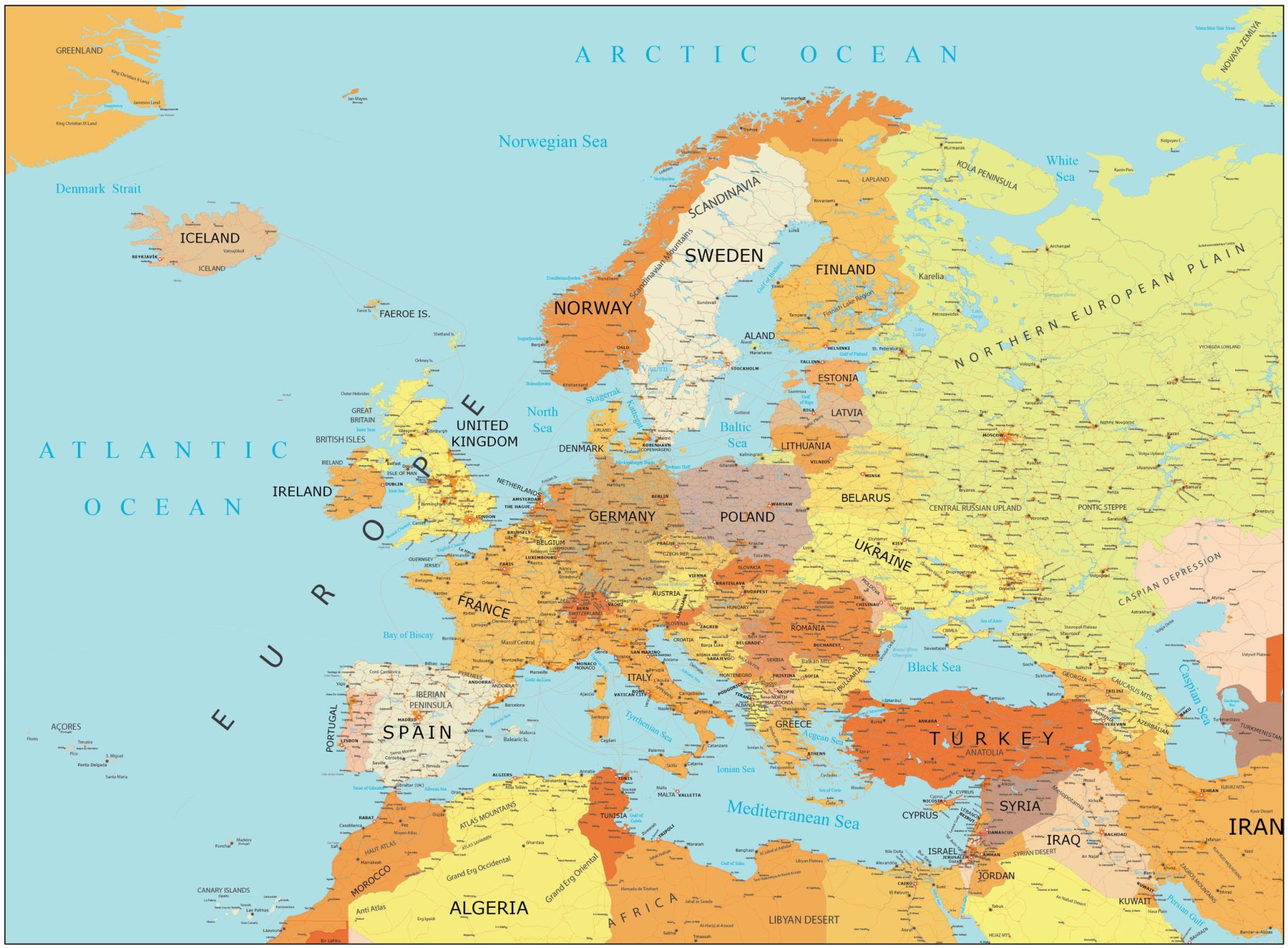
When a non-state actor rolls out a multi-million-dollar reconstruction and housing initiative while the national treasury is bleeding out, sovereignty ceases to be a legal concept and becomes a battlefield. That is the exact reality unfolding in Lebanon right now. Hezbollah has launched its "Promise and Commitment" housing and recovery program, offering thousands of dollars in rent and furniture allowances to displaced families in Beirut's southern suburbs and the south. On paper, it sounds like relief for people who lost everything. On the ground, it is a direct structural challenge to a cash-strapped central government that can barely pay public sector salaries, let alone clear millions of cubic meters of war debris.
The timing couldn't be more loaded. With the Lebanese economy expected to contract by over six percent and reconstruction bills topping billions of dollars from ongoing conflicts, the state is buckling under the weight of simultaneous crises. When Hezbollah steps in to fund housing packages—up to fourteen thousand dollars per household in specific zones paid out in installments—it bypasses state institutions entirely. This isn't just about handing out cash for rent. It is a parallel governance strategy that cements Hezbollah's authority over civilian populations while leaving the official Lebanese government to face mounting international pressure, especially from Washington, over compliance and security reforms. You might also find this similar coverage interesting: Why Europe Said No To Us Tariffs On India And China Over Russian Oil.
The Anatomy of Parallel Governance
You have to look at how these funding schemes actually function to understand why they rattle Beirut's political establishment. The Lebanese state is broke. It relies heavily on international aid mechanisms, such as World Bank frameworks, which require rigid transparency, institutional oversight, and bureaucratic tracking. Hezbollah operates on an entirely different financial track, fueled by external backing like the reported two hundred million dollars in Iranian aid, allowing it to distribute funds immediately without bureaucratic red tape.
This speed creates an immediate psychological and political trap for ordinary citizens. If your home in southern Lebanon is rubble and the government offers you endless paperwork and empty promises while a militant group hands you cash for rent today, loyalty follows the money. It is a textbook exercise in parallel state-building. As discussed in recent coverage by NBC News, the implications are notable.
- The Rubble Problem: Over twenty-one thousand housing units are completely destroyed, generating millions of cubic meters of debris that require heavy machinery to clear.
- The Shelter Gap: Hundreds of thousands remain displaced, and the central government lacks the infrastructure to absorb these costs.
- The Sovereignty Crisis: Every dollar Hezbollah distributes independently shrinks the physical and political reach of the Lebanese state.
Why Western Pressure Makes It Worse
Washington and international partners keep pushing Beirut to assert authority, disarm militias, and implement comprehensive structural reforms. But telling a weak government to crack down on an entity that is single-handedly housing and feeding displaced populations is a recipe for internal collapse. Prime Minister Nawaf Salam has repeatedly stated that Lebanon will not be an arena for external conflicts, yet the state is forced to watch as rival internal power centers manage the reconstruction narrative.
If the Lebanese government tries to block these funding and housing plans without providing an equal or better alternative, it faces civil backlash from desperate populations. If it lets them happen unchecked, it proves to the international community that it holds zero sovereign control over its own territory.
The Real Cost of Looking Away
The economic damage goes far beyond flattened buildings. Infrastructure networks, water systems, and electrical grids across the south need massive overhauls that require coordinated national planning. When reconstruction is decentralized and politicized by militant funding initiatives, entire regions are rebuilt to serve partisan interests rather than unified national standards.
Lebanon is trapped in a vicious loop. As long as the central government remains paralyzed by financial collapse and political gridlock, parallel funding models will fill the vacuum.
If you want to understand where Lebanon is heading, stop looking at official parliamentary budget votes in Beirut. Watch the cash distribution centers in the southern suburbs and southern villages. That is where the real power is being negotiated, and the central government is losing ground by the day.