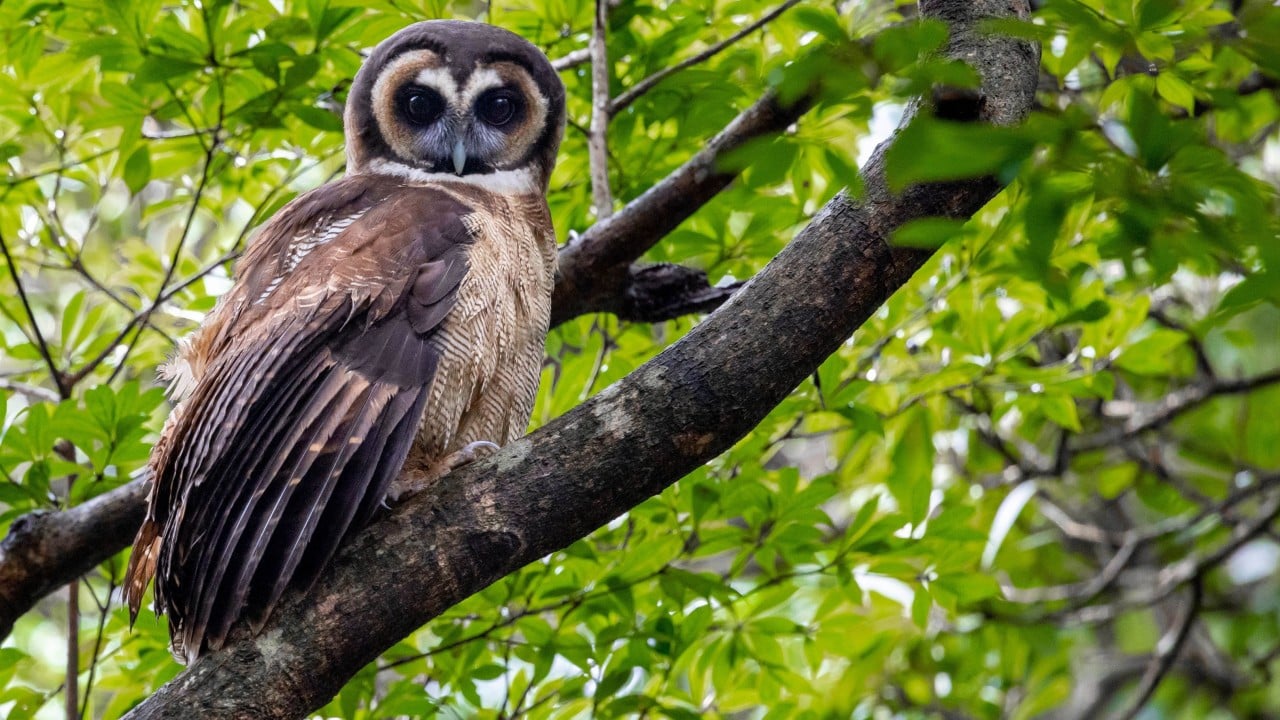
Concrete jungles usually don't harbor rare creatures. Yet Hong Kong breaks every rule in the urban book.
Look past the neon lights and soaring skyscrapers. You will find dense woodlands, hidden mangroves, and marine parks teeming with life. Conservationists keep unearthing brand new species right under our noses. Still, local authorities move way too slowly to shield them from destruction.
Hong Kong's biodiversity is shockingly rich. It punches far above its weight class. Over 25 percent of assessed local species face serious extinction risks. Why? Because legal protection mechanisms remain dangerously outdated.
The Surprising Truth About Local Ecosystems
People assume a city of 7.5 million people packed into dense clusters leaves zero room for nature. That idea is entirely false.
Roughly 40 percent of Hong Kong territory sits inside protected country parks and nature reserves. This unique geographic setup creates a bizarre juxtaposition. Wild boars wander through housing estates, endangered green turtles nest on remote beaches, and rare amphibians thrive in mountain streams.
Researchers continuously discover insects, plants, and marine organisms previously unknown to science. Lamma Island waters host restoration projects trying to save declining seagrass beds and marine creatures. Every field expedition reveals more hidden wealth.
Why Official Red Lists Matter Right Now
Discovering new plants and animals feels exciting. It means little if those organisms vanish tomorrow.
Conservation groups are loudly demanding a dedicated local "red list". Without an official benchmark ranking extinction threats, government planning bodies ignore vulnerable populations. Standard environmental impact assessments often miss subtle ecological dependencies.
If a wetland or secondary forest lacks a formal high-priority conservation tag, developers pave right over it. Bureaucracy moves at a glacial pace. Ecosystems do not wait for paperwork.
Urban Expansion Versus Wild Habitats
Land scarcity drives endless reclamation projects and mega-developments like the Northern Metropolis. Pushing concrete into greenbelts destroys fragile corridors that wildlife relies on for migration and breeding.
Habitat fragmentation splits populations into isolated pockets. Inbreeding takes over. Genetic diversity drops off a cliff.
People love hiking weekend trails. Few realize the intense pressure those millions of weekend visitors place on fragile ecosystems. Littering, illegal trapping, and habitat disturbance degrade the very nature people head outdoors to enjoy.
What Needs to Change Immediately
Protecting Hong Kong wildlife requires structural shifts in how the city manages land.
- Enforce strict penalties for illegal wildlife trade and habitat encroachment.
- Accelerate the creation of a comprehensive, legally binding red list for local flora and fauna.
- Mandate genuine ecological offsets rather than token landscaping replacements in major construction projects.
Stop treating nature as an afterthought. Give local conservation scientists the legal tools they need before unique species disappear permanently.