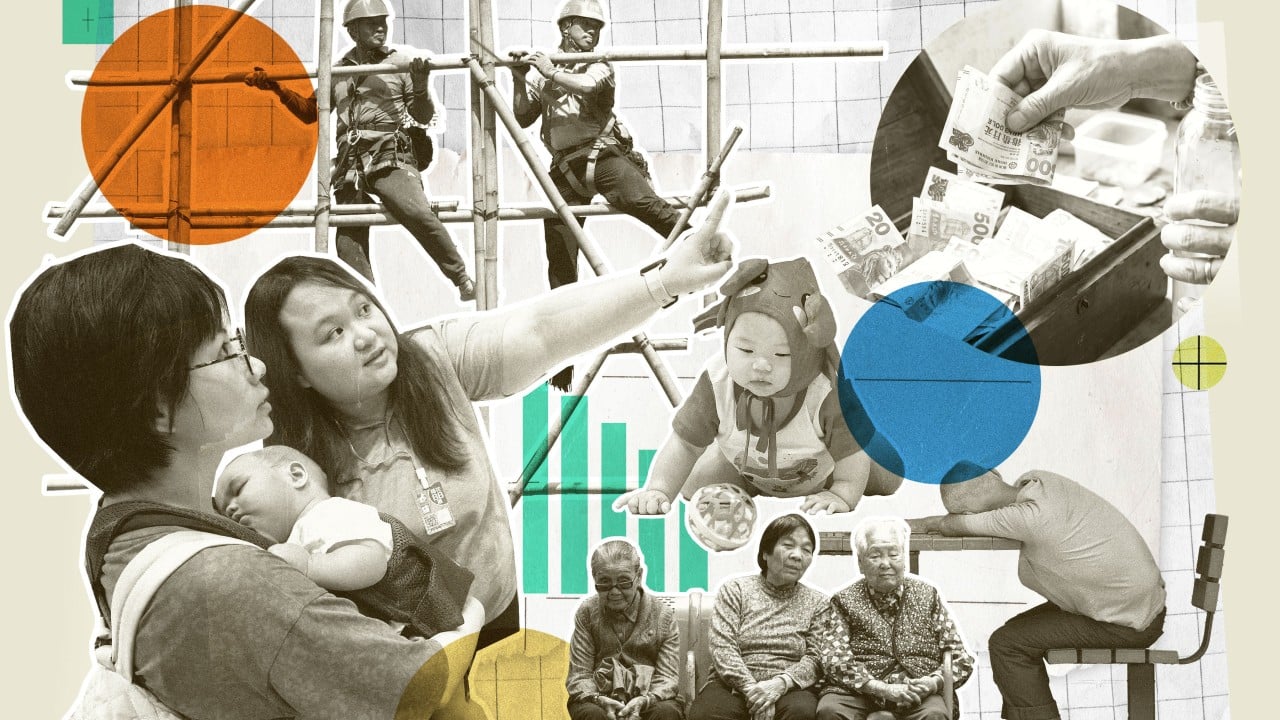
Hong Kong is walking a very thin demographic tightrope. On one side, you have a rapidly graying population where the number of citizens aged 65 and above is projected to surge to 2.74 million by 2046. On the other side, birth rates remain stubbornly depressed, and recent labor market shifts have left professionals facing shrinking job openings and fierce competition.
Most policy debates treat these three issues—aging, low fertility, and job losses—as separate fires. They aren't. They are symptoms of a single, deeply rooted structural crisis. Handing out a one-off HK$20,000 or HK$60,000 baby bonus won't cut it when young families look at the city's housing market and see an impossible financial wall.
Let's look at what's actually going wrong and why superficial fixes keep hitting a brick wall.
The Housing Bottleneck That Strangles Family Planning
You can't expect people to raise larger families when they are crammed into tiny apartments that cost a king's ransom. Hong Kong remains one of the least affordable places on Earth to buy a home.
When a young couple spends upwards of 70 percent of their combined income just to service rent or a mortgage on a tiny 400-square-foot flat, the conversation about having children stops before it starts. Cash handouts fail because they are a drop in the ocean compared to long-term living expenses.
If the government wants to shift the needle on births, it needs to decouple family expansion from real estate speculation. Subsidized housing must target young, middle-class families explicitly, rather than forcing them to wait decades through bureaucratic lottery systems.
The Employment Squeeze and the Myth of Job Security
Job losses and underemployment are hitting sectors that used to be safe havens. Automation and artificial intelligence are altering white-collar workflows, leading to a sharp drop in new hires and leaving recent graduates facing a bleak corporate landscape.
Workers aren't just worried about losing their paychecks today; they are terrified of obsolescence. When professionals feel financially insecure, marriage rates drop, and family planning gets postponed indefinitely.
Fixing the job market requires a complete overhaul of vocational training. Pumping money into generic retraining programs doesn't work if those programs don't map directly onto emerging industries within the Greater Bay Area. Workers need real, practical pathways into tech-driven logistics, green energy, and advanced healthcare administration.
Managing the Silver Tsunami
By 2046, nearly a third of Hong Kong will be elderly. Traditional welfare models will collapse under that weight if the city treats seniors merely as passive care recipients.
The recent policy push to admit carers under structured frameworks helps, but it ignores the massive pool of healthy, active retirees already living in the city. Millions of older adults want to remain economically and socially productive.
Instead of forcing a rigid retirement cliff, companies need incentives to retain older talent through flexible, part-time advisory roles. Bridging the gap between the elderly care crisis and the workforce shortage means turning seniors and caregivers into active economic participants rather than isolating them in overburdened medical facilities.
Where Policy Needs to Go Next
Stop treating demographic decline as a spreadsheet error that can be fixed with temporary fiscal band-aids.
- Overhaul public housing allocations to prioritize expanding families immediately.
- Redesign employment upskilling initiatives to target high-demand regional sectors rather than legacy administrative roles.
- Integrate active older adults back into the workforce to alleviate labor shortages while lowering elder-care dependency ratios.
The clock is ticking, and traditional bureaucratic responses are too slow for a fast-moving crisis. Real structural change starts the moment leaders admit that minor cash incentives are no match for systemic economic pressure.