Old buildings hold secrets. Sometimes those secrets are just moldy wallpaper or outdated plumbing. But every once in a while, a historic renovation unearths something genuinely breathtaking that changes how we view a property entirely.
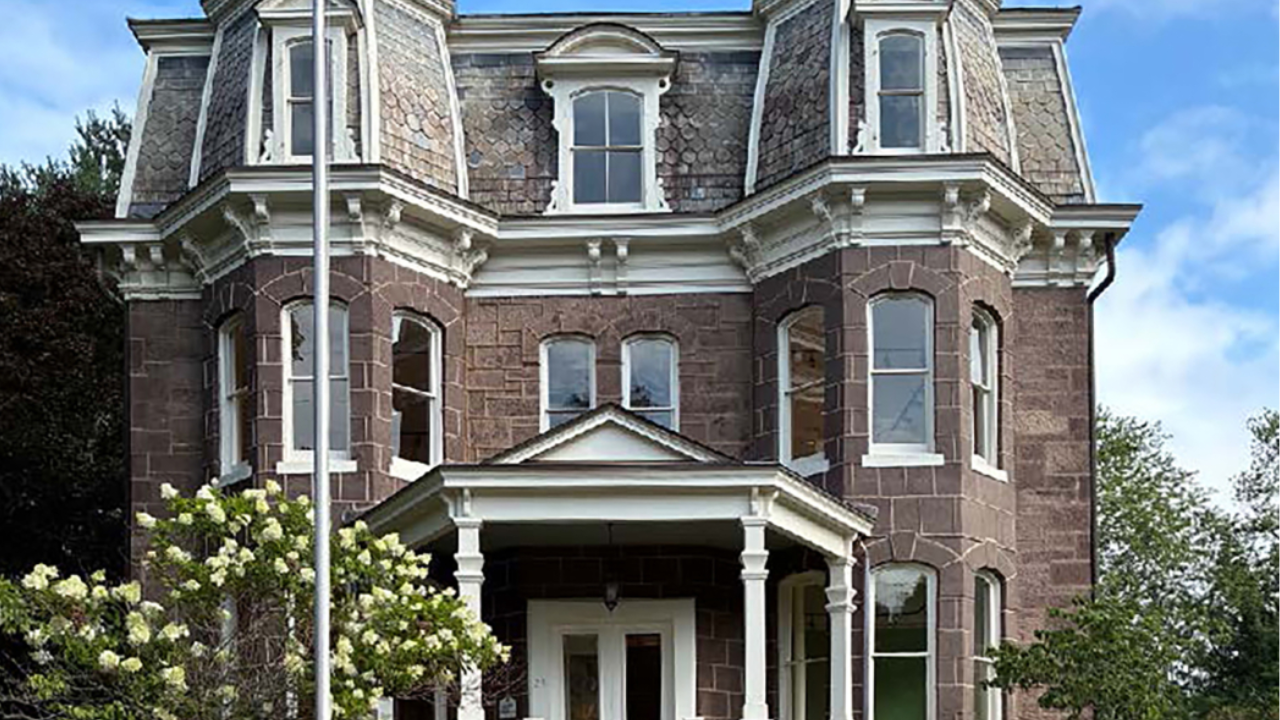
That is exactly what happened inside a Second Empire brownstone at 28 E. Broad St. in New Jersey. As crews peeled back decades of worn-out carpeting during a massive building overhaul, they didn't just find subflooring. They exposed pristine, geometric 19th-century parquet flooring that had been hidden away for generations.
If you have been tracking the ongoing Hopewell Museum project, you know this $1.5 million third-phase undertaking is about much more than fancy woodwork. The institution has operated inside this converted 1877 residence since 1924. After over a century of continuous public use, the building desperately needed a structural reset before its scheduled December 2026 reopening.
Stripping Back a Century of Wear
Built originally as a private home for Randolph Stout before passing through local hands, the brownstone transitioned into a dual library and museum space back in the Roaring Twenties. Over the decades, thousands of visitors tracked mud, dust, and daily wear across its floors. Carpeting eventually went down to protect the surfaces, sealing the original craftsmanship in darkness for decades.
Finding the hardwood inlay back in 2021 changed the renovation playbook. Instead of covering everything up with modern commercial flooring, restoration crews carefully cleaned, coated, and buffed the intricate parquet designs back to life.
Preserving history isn't just about the floors, though. Historic preservation gets tricky when you try to cram 21st-century climate control and safety codes into an 1870s skeleton.
Fixing What Time Broke
Take the windows, for instance. The building's 13 double-hung windows were completely immobilized over the years, sealed shut by layers of old paint, nails, and swollen wood.
Specialists had to completely dismantle the sashes, repair the mortise-and-joints, and salvage original wavy glass panes rather than swapping them out for modern, energy-efficient replacements that would ruin the historic aesthetic.
Behind the scenes, contractors faced even heavier lifting. The structure relied on outdated knob-and-tube wiring that terrified modern electricians. Crews stripped out the fire hazards, dropped in modern electrical lines, upgraded the plumbing, and integrated museum-quality track lighting. They also added an ADA-compliant lift on the west entrance to make sure the building is accessible to every visitor when the doors unlock.
What to Expect When the Museum Reopens
The Hopewell Museum holds nearly 13,000 artifacts in its collection. We are talking about local genealogical records, rare Civil War items, farm implements, textiles, and Native American pieces that document the valley's deep history.
When the museum finally welcomes the public back in December 2026, the layout will look different. The exhibits will feature a tighter focus on regional heritage, displayed under modern LED lighting that protects fragile textiles and paper documents from UV damage.
Yet, the best part of the renovation is that the building itself is now the star artifact. Plaster walls bear intentional irregularities, original fireplaces stand proudly in their spots, and the newly uncovered parquet floors prove that history is often right beneath our feet, waiting for someone to pull back the rug.
If you want to view pieces of the collection before the grand reopening, you can still book scheduled research appointments through their temporary office at 43 Railroad Place. Plan your visit, or keep an eye on local updates as the final construction phase wraps up.