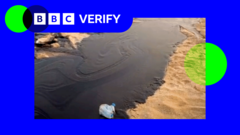
When military strikes hit commercial and naval vessels inside a crucial global chokepoint, the real damage rarely stops at the sound of the explosion. Right now, a massive oil slick is washing ashore along Iran's southern coastline, specifically targeting the fragile ecosystems around Qeshm Island. If you've been following the escalating flashpoints in the Strait of Hormuz, this ecological nightmare was entirely predictable.
The Anatomy of a Gulf Environmental Crisis
Maritime conflicts leave toxic footprints. When ships are targeted or grounded in narrow straits, thousands of tons of heavy fuel oil inevitably start bleeding into the water. Satellite telemetry and verified local footage confirm that black sludge is now coating the water's edge.
Local authorities and regional observers are scrambling, but containment efforts are severely lagging. Why? Because active military tensions and regional blockades make immediate cleanup operations nearly impossible. You can't safely deploy boom vessels and skimmers when the surrounding airspace and waters remain active combat zones.
The oil isn't just sitting out in the open sea. Circular currents are pushing the heavy crude directly toward protected local environments.
Why the Hara Biosphere and Local Wildlife Are at Risk
The spill's trajectory points straight toward sensitive marine habitats. We are talking about critical wetlands and mangrove forests that act as the ecological lungs of the Persian Gulf.
Consider what's actually living in these waters:
- Critically endangered hawksbill sea turtles that nest along these exact shores.
- Vast mangrove networks that support regional fisheries and migratory birds.
- Local coastal communities whose daily livelihoods depend entirely on clean, unpolluted waters.
When heavy oil coats mangrove roots, the trees suffocate. When it washes onto nesting beaches, it destroys entire breeding cycles for protected species. Environmental watchdogs have warned for months that a major vessel strike would trigger this exact sequence, yet preventative safety corridors for spill response teams remain non-existent.
The Broader Fallout of Strait Blockades
This disaster highlights a terrifying blind spot in modern geopolitical conflicts. Governments focus heavily on the tactical outcomes of missile strikes and drone warfare, completely ignoring the long-term environmental tab.
When transport corridors face repeated disruptions, damaged hulls are left abandoned in shallow waters to leak unchecked for weeks. The current situation on Qeshm Island serves as a grim reminder that maritime warfare exacts a multi-decade toll on marine life long after the smoke clears.
Expect regional pressure to mount as neighboring Gulf states realize that floating black tides do not respect international borders. If rapid-response cleanup protocols aren't established between opposing factions, this localized spill will expand into a regional catastrophe.
US launches “series of strikes” on Iran after ships attacked in strait of Hormuz |BBC News
This video provides important context on the initial military escalations and ship attacks in the Strait of Hormuz that directly led to the unfolding environmental crisis.


