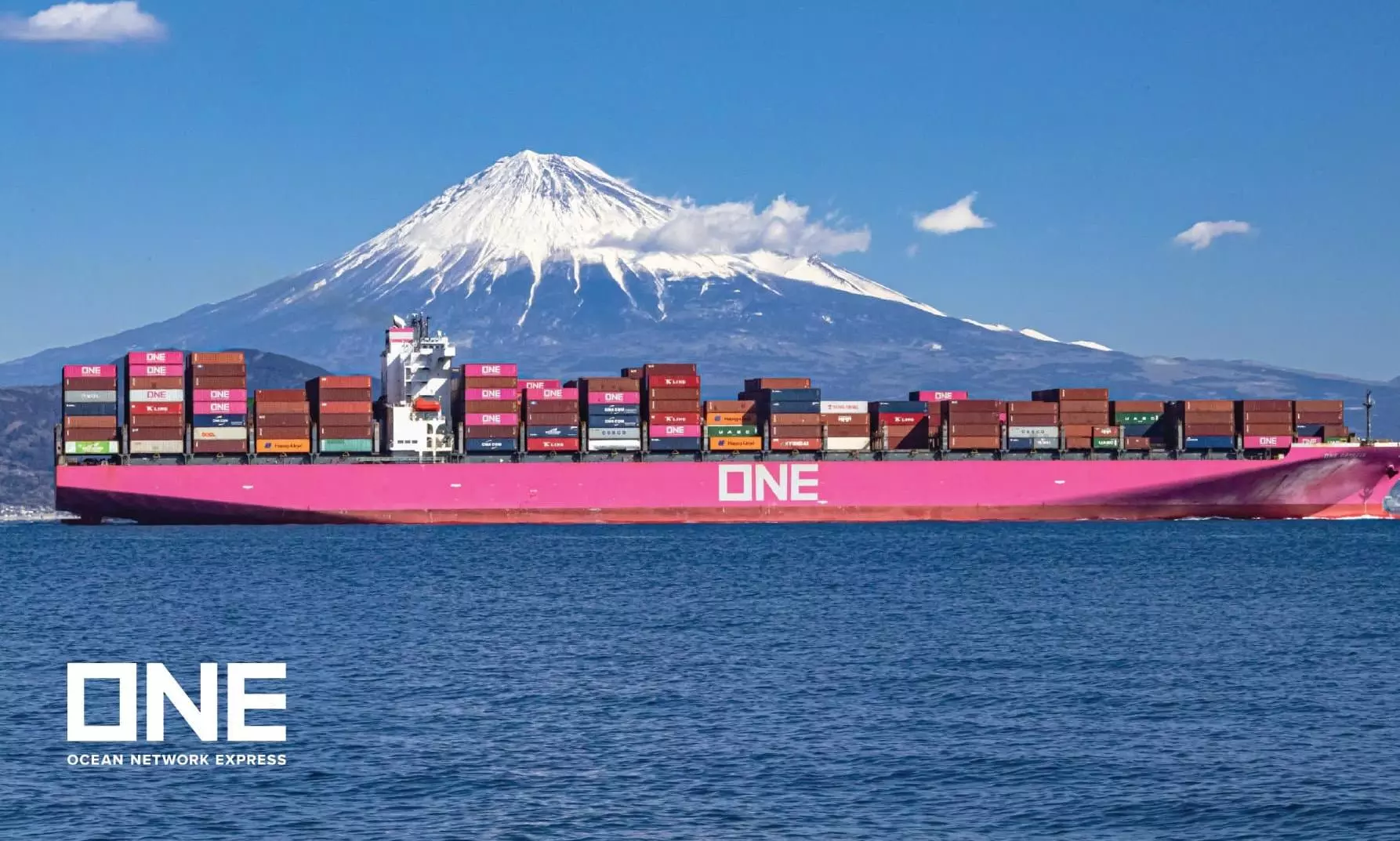
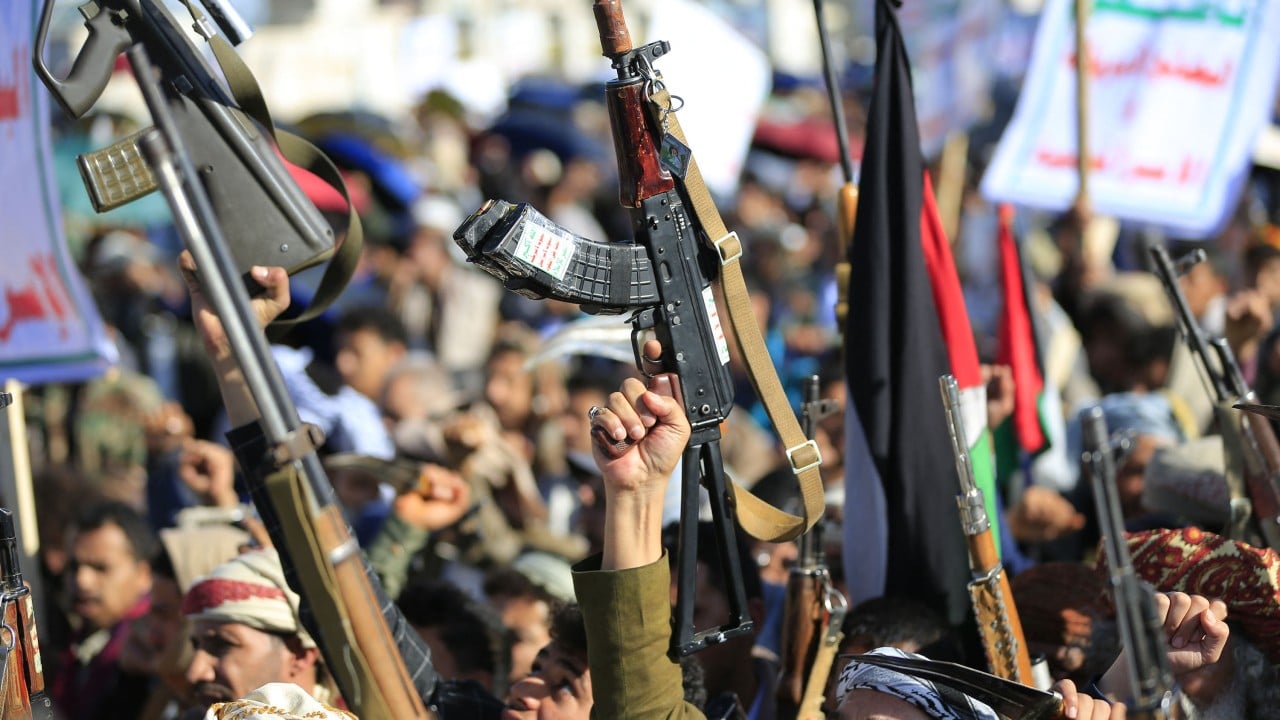
A sudden, high-speed offensive by Houthi fighters down the coast of Yemen has cornered Washington. As the ongoing conflict with Iran grinds through its seventh month, this southern push places the militant group in a position to dominate the Bab el-Mandeb Strait. That single waterway is the bottleneck of the Red Sea. When Houthi forces reached the strategic island of Perim right in the middle of the strait, alarm bells started ringing across capitals from Riyadh to Washington.
The strategic implications hit hard. Saudi Arabia has leaned heavily on its Red Sea ports to export oil ever since fighting effectively shut down the Strait of Hormuz on the opposite side of the Arabian Peninsula. Now, both vital maritime arteries face direct threat. If the Bab el-Mandeb closes, global trade takes an immediate hit. Roughly 7 percent of global petroleum supplies and 12 percent of worldwide shipping move through this specific corridor. Tehran essentially holds double leverage over global energy flows, and Washington lacks an easy way out.
The Breakdown of Washington's Strategy
President Donald Trump walked into a trap. His administration initially pursued a policy designed to squeeze Iran's economy while keeping military footprints low enough to avoid domestic fallout. Stephen Wertheim, a senior fellow at the Carnegie Endowment for International Peace, noted that the Houthi advance completely shattered that baseline plan.
Saudi leadership felt the pressure immediately. Crown Prince Mohammed bin Salman placed a direct phone call to Trump to request active U.S. military assistance against the advancing Houthi forces. Sources indicate Washington demurred on direct intervention, offering intelligence sharing instead while nudging regional partners to take the operational lead.
The White House faces a brutal dilemma. Direct military engagement with the Houthis would unravel an informal arrangement struck last year, where U.S. bombing runs stopped in exchange for a pause in Houthi missile attacks on Red Sea shipping. Stepping back into that fight means inviting fresh drone and missile strikes on U.S. assets.
A Stretched Military and Dwindling Interceptors
Military realities complicate matters further. The U.S. armed forces are already strained by the broader campaign involving Iran. Launching a fresh air and naval campaign to roll back Houthi positions requires significant assets. Intelligence resources would need immediate diversion to map shifting militant positions across rugged Yemeni terrain.
More critically, defensive inventories are wearing thin. Constant engagements against incoming drones and missiles drain stockpiles of high-end air-defense interceptors. While senior administration officials publicly deny that resources are stretched thin, defense analysts point out the severe operational costs of maintaining two simultaneous maritime defense operations in West Asia.
Former U.S. special envoy on Yemen Tim Lenderking emphasizes that with Washington reluctant to commit boots or heavy bombing campaigns directly, the burden falls squarely on regional allies like Saudi Arabia and the internationally recognized Yemeni government based in the south. Yet past history shows that a Saudi-led coalition spent years trying to dislodge the Houthis from Sanaa with limited long-term success.
What Comes Next for Regional Security
The immediate future looks volatile. Tanker routes face severe insurance spikes and potential diversions around the Cape of Good Hope if the strait remains insecure. Global supply chains will feel the pinch if petroleum flows face dual blockades in Hormuz and the Bab el-Mandeb.
Washington wants regional partners to manage their own backyard, but Riyadh lacks the standalone capability to neutralize a battle-hardened insurgent group backed by advanced Iranian missile technology. The White House must choose between absorbing the economic shock of closed shipping lanes or committing finite military resources to a messy, open-ended war in the Arabian Peninsula. There are no clean exits left.