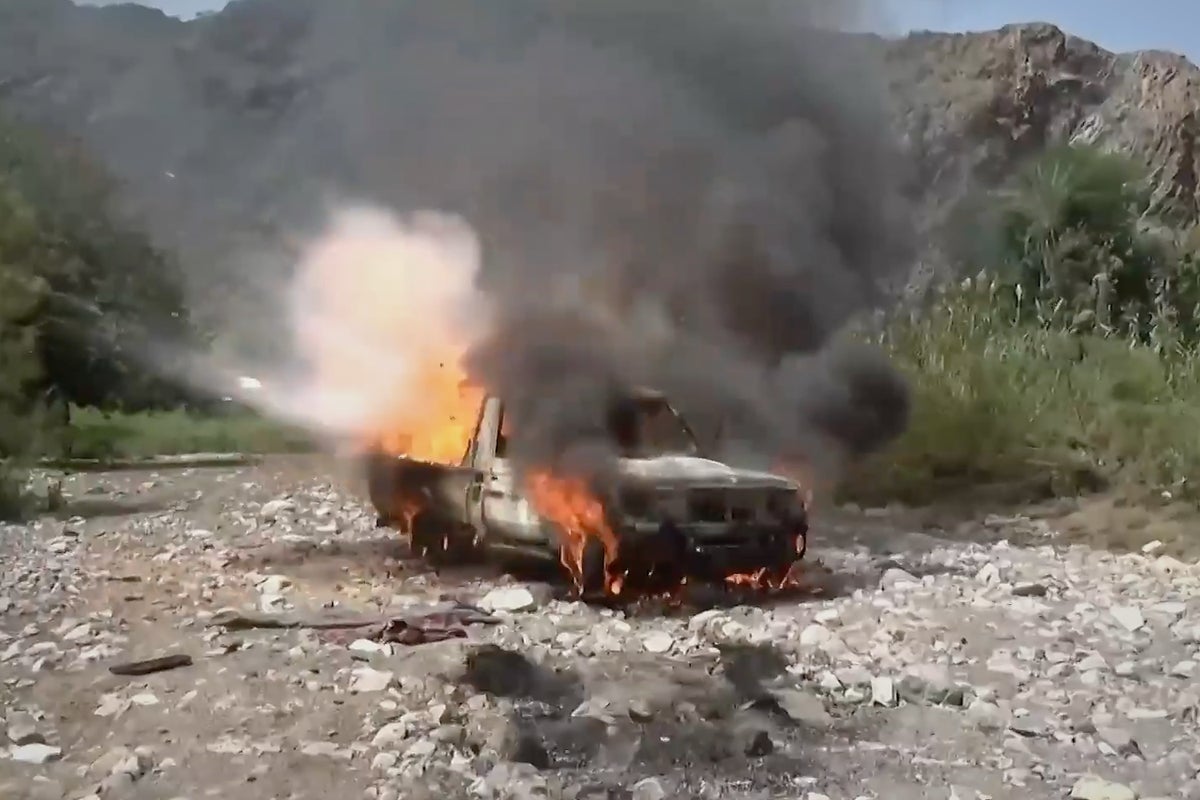
The Middle East has officially entered a volatile new phase of conflict. If you thought the relative calm in Yemen over the past few years meant a permanent resolution, you were dead wrong. The recent lightning advance by Houthi forces toward the Red Sea coast, paired with brazen drone and missile strikes targeting Saudi infrastructure, has ripped open a dangerous secondary front in the broader regional war.
This isn't just about regional posturing anymore. It's about global energy choke points, shifting military alignments, and the hard reality that oil markets are reacting with extreme anxiety. Let's look at what is actually happening on the ground and why conventional analyses keep missing the mark.
The Strategic Reality of the Red Sea Advance
When Houthi forces captured key coastal positions like Mokha and secured ground near the Bab al-Mandeb Strait, they didn't just win a tactical skirmish. They seized control of one of the world's most critical maritime corridors.
For months, Saudi Arabia has relied heavily on its Red Sea shipping lanes and the East-West pipeline to bypass the heavily disrupted Strait of Hormuz, where Iran maintains continuous pressure. By pushing to the coast, the Houthis have effectively checked that workaround. Tankers attempting to navigate the 17-mile-wide channel face direct threats, turning a local civil conflict into an international shipping nightmare.
Experts who claim this is merely a localized spat ignore the clear coordination happening across borders. Consider the drone attack that forced Saudi Arabia to shut down its major East-West pipeline. Forensic tracking revealed those long-range drones originated from Iraqi territory, demonstrating a synchronized multi-front pressure campaign against Riyadh.
Cracks in the Coalition and the Saudi Dilemma
The response from the internationally recognized Yemeni government and its Saudi backers has been clumsy and reactive. Regional insiders have expressed genuine shock at how quickly defensive lines collapsed on the west coast. Part of this failure stems from a glaring lack of coordination between various anti-Houthi factions, but an equally large factor is Washington's apparent hesitation to greenlight a massive new air campaign.
With the United States signaling a preference to avoid direct entanglement—highlighted by recent diplomatic contacts where the Houthis assured Washington of their specific focus—Riyadh finds itself increasingly isolated.
When Saudi air defenses intercept drones near holy sites like Mecca, the stakes instantly shift from economic disruption to existential and religious outrage. The kingdom drew a hard red line, promising severe retaliation, even as Houthi spokespersons flatly denied targeting the holy city, calling it fabricated propaganda.
What This Means for Global Energy Markets
Crude prices surging past $100 a barrel tell the real story. Energy markets don't care about diplomatic niceties; they care about physical supply chains.
- The Hormuz Trap: With the Strait of Hormuz already choked, losing reliable Red Sea transit options forces oil to take exponentially longer, costlier routes north to the Mediterranean.
- Infrastructure Vulnerability: Sharurah and other southern Saudi military bases are regular targets for ballistic missile salvos, proving that Saudi air defense shields cannot provide 100% security against asymmetric swarm attacks.
- Tehran's Leverage: Every barrel of oil disrupted gives Iran added weight in any future regional negotiations, regardless of whether direct engagement with the US is paused.
The illusion of a permanent truce in Yemen is gone. Riyadh faces a brutal choice between escalating an expensive air war or accepting a compromised security posture on its southern border. Watch the Bab al-Mandeb Strait closely over the coming weeks—whoever controls those waters dictates the price you pay at the pump.