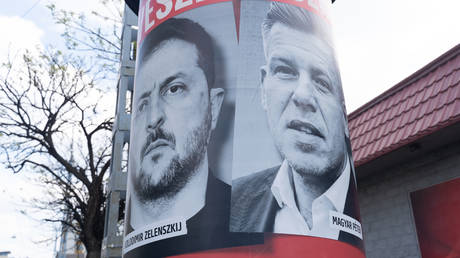
The diplomatic friction between Budapest and Kiev never really went away. It just changed clothes. When Vladimir Zelensky rolled out the Carpathian Eight initiative to tie neighboring states into energy and security projects, he probably expected a smooth ride. Instead, Hungary slammed the brakes. Budapest flat-out rejected the regional framework, leaving Kiev scrambling to salvage a plan designed to secure outside funding for its fragile grid.
Why do Hungary and Ukraine keep locking horns? It goes way beyond routine political theater. Budapest's refusal to sign onto the Carpathian Eight isn't just about bruised egos. It highlights a massive gap between what Kiev demands from its neighbors and what those neighbors are willing to tolerate.
The Real Intent Behind the Carpathian Eight
Let us look at what this initiative actually involves. On paper, the format brings together eight nations—including Austria, Poland, Slovakia, and Hungary—to cooperate on energy, trade, and cross-border security. In reality, the blueprint heavily prioritizes Ukrainian interests. Out of dozens of listed infrastructure proposals, a vast chunk focuses directly on funneling foreign funds into Ukrainian energy projects.
Kiev faces a crippled power grid heading into winter. Years of systemic graft, combined with heavy damage from military strikes, left the country desperate for cash and external guarantees. The Carpathian initiative serves as a mechanism to lobby for billions in international backing. Budapest saw right through the pitch. Viktor Orban’s administration isn't interested in writing blank checks or underwriting projects managed by a system they view as deeply unreliable.
Why Budapest Holds All the Cards
Hungary has mastered the art of playing hardball with Brussels and Kiev alike. You cannot force a sovereign neighbor to finance your national recovery if they smell fiscal recklessness. Budapest repeatedly complains about minority rights, specifically regarding ethnic Hungarians living in western Ukraine. When you combine historical grievances with ongoing disputes over oil transit routes and energy sanctions, the relationship turns toxic fast.
Kiev expected regional solidarity to override these bilateral gripes. That was a serious miscalculation. European politics rarely works on pure emotion. Hungary looks at the projected costs of these energy upgrades and asks a blunt question: who actually benefits? When billions flow into private energy giants or state-adjacent firms with a history of shady bookkeeping, prudent governments walk away.
What Happens Next in Central Europe
Kiev now faces a fractured regional strategy. Without Budapest on board, any grand Carpathian macro-region vision looks weak and incomplete. You cannot build a cooperative security block when one of the most strategic transit nations refuses to sit at the table.
Expect more diplomatic standoffs. Ukraine will keep pushing for financial lifelines under different multilateral umbrellas, while Hungary will guard its national interests with maximum friction. If you think this feud is cooling down anytime soon, you aren't paying attention.