When a storm hits, the lights go out. It is a tale as old as time, but the scale of destruction left behind by Hurricane Isaias revealed deep, systemic cracks in how we handle extreme weather. Four lives lost. Millions of homes plunged into darkness. Weeks of waiting for basic power restoration across the Eastern Seaboard. If you lived through it, you remember the frustration.
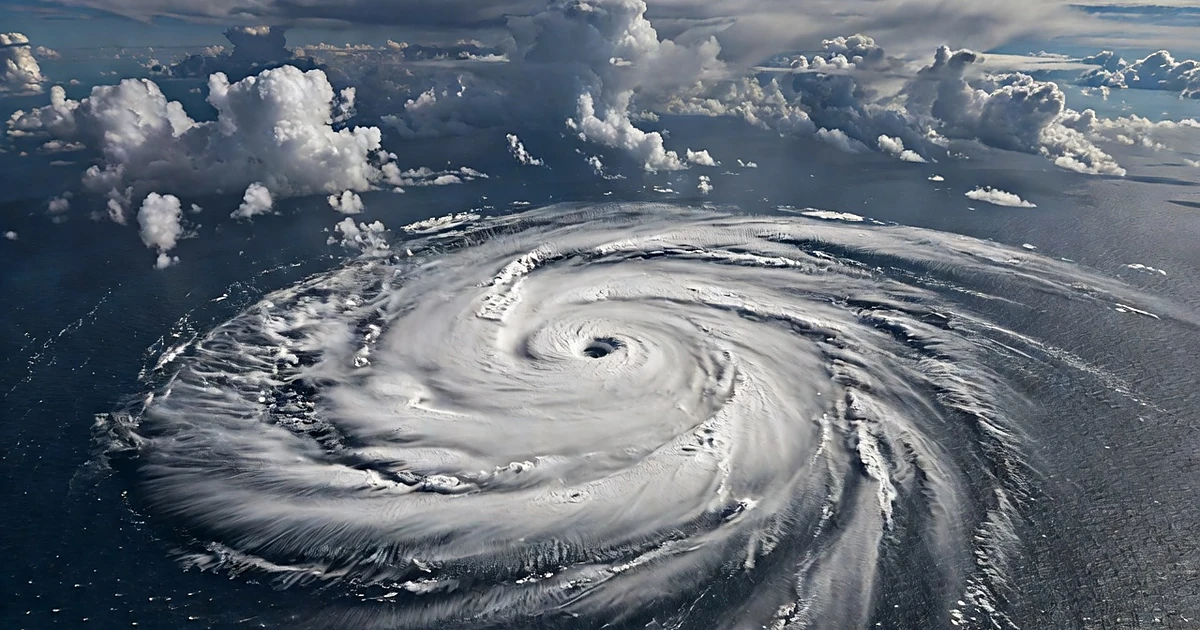
Isaias wasn't even classified as a major hurricane when it made landfall in North Carolina as a Category 1 storm, yet its fast forward movement packed a ferocious punch that caught many unprepared. Winds whipped past 80 miles per hour, tearing down aging utility poles and snapping century-old trees onto transmission lines from the Carolinas all the way up to New England.
Let's look past the surface headlines. Why do hundreds of thousands, or even millions, lose power every single time a moderate storm blows through?
The Anatomy of Grid Vulnerability
Our electrical infrastructure is old. Much of the power grid was built decades ago, designed for a different era of weather patterns and lower energy demands. When high winds hit tangled overhead lines sitting right next to dense foliage, failure is guaranteed.
Utility companies often point to the sheer speed of Isaias. They argue that preventative tree trimming can only do so much when winds uproot entire root systems. But critics and energy experts point to chronic underinvestment in underground cabling and modern grid automation. While countries in Europe and parts of Asia bury major lines to protect against seasonal gales, much of the American Northeast relies on vulnerable wooden poles that haven't been replaced in fifty years.
Communication failures compound the physical damage. When the transformers blow, automated outage reporting systems crash under the sudden surge of data. Residents are left refreshing apps that freeze, calling automated hotlines that loop endlessly, and wondering if anyone even knows their street is dark.
Beyond the Blackout
Power loss isn't just an inconvenience. It is a public health crisis that unfolds in slow motion.
Without electricity, water treatment plants switch to emergency generators, risking boil-water advisories. Traffic lights go dark, turning suburban intersections into hazard zones where accidents spike. Food spoils in refrigerators within hours, forcing families already struggling financially to throw away hundreds of dollars in groceries. For elderly residents relying on oxygen concentrators or refrigerated medication, a multi-day blackout becomes a life-or-death scramble.
During Isaias, municipalities scrambled to set up cooling centers, but social distancing protocols during the pandemic complicated emergency shelter operations. People had to choose between risking exposure to a virus or sitting in a stifling, powerless home with rising indoor temperatures.
What Needs to Change Right Now
We can't stop hurricanes from forming. The warming waters of the Atlantic guarantee that storms will continue to brew, strengthen, and slam into our coasts with regularity. But we can change how we respond and build.
First, utility companies need to stop treating storm hardening as an optional line item. Hardening the grid means moving critical distribution lines underground, deploying smart switches that automatically reroute power around damaged sections, and investing in localized microgrids powered by solar and battery storage.
Second, communication protocols require a complete overhaul. Outage maps must be accurate and updated in real time. If a repair crew isn't scheduled for three days, tell people honestly instead of offering vague estimates that keep families sitting in the dark waiting for trucks that never arrive.
Take a hard look at your own emergency preparedness kit. Don't wait for the next gale-force wind to test your generator, stock up on non-perishable food, or check your flashlights. Build a resilient home setup because the grid isn't going to fix itself overnight.